CEO MESSAGE


THE CO-OP CONNECTION


CHAIRMAN MESSAGE


CO-OP UPDATES


COMMUNITY CONNECTION


KNOWLEDGE EXCHANGE


DIVISION SPOTLIGHT


EMPLOYEE SPOTLIGHT


Message From The CEO

This issue’s CEO article is going to be a bit different!

Brad Locke was recently interviewed by the Capital Press for an article celebrating the long history of agricultural co-ops. The Capital Press (founded in 1928) is a weekly newspaper published in Salem, Oregon, that covers farming, ranching, and other agriculture industries throughout the Western U.S. It is the go-to publication for agricultural news across the region we serve.

As the CEO of Valley Wide Cooperative, one of the largest and longest-lived co-ops in the West, Brad offered insights into the history of Valley Wide, along with a snapshot of what we are facing in today’s market. We hope you enjoy his insights, and we will share the final article when it is published.

1. As for farm supply cooperatives in general, has their basic value proposition stayed mostly the same over the years? What have various economic cycles and major events taught us about cooperatives and their value to members?

While market dynamics, geography, cooperative size, and the ways cooperatives generate value have changed dramatically, the concept behind the formation of cooperatives remains fundamental to operating one effectively. To understand that, we must revisit why agricultural supply cooperatives were originally formed. They were created to ensure individual farmers and ranchers were not taken advantage of by national and multinational companies in terms of price. When Valley Wide started in the 1920s, the purchasing power of an individual farmer was much smaller than the distribution and selling power of fertilizer, crop protection, seed, and petroleum suppliers.

Cooperatives were formed to do things individual farmers could not do on their own, with the intent of generating a reasonable profit and sharing a portion of that profit that is not reinvested with members through patronage and equity. Farmers and ranchers also steward the cooperative through a democratically elected board of directors responsible for governance.

Originally, cooperatives focused on investments in transportation equipment and fertilizer, dry goods, and petroleum storage that enabled larger purchases, better pricing, and more reliable supply. More than 100 years later, that imbalance of power between producers and large suppliers still exists. While today’s investments are larger and more complex, requiring greater investments in technology and advanced logistics, the foundational principle of buying better, providing reliable supply, earning a reasonable profit, and sharing that value with farmer and rancher members remains in place and thriving at Valley Wide Cooperative.

Economic cycles and major events have reinforced that agriculture is inherently unpredictable, but success comes from controlling what we can control. Recent fertilizer supply disruptions related to the closure of the Strait of Hormuz are a good example. Even with these global supply disruptions, Valley Ag was still able to support our members and deliver fertilizer because of the hard work of our procurement team and our continued reinvestment in local communities through larger and more efficient fertilizer distribution facilities.

During difficult times, cooperatives with the right culture and a focus on the customer continue to be trusted partners, helping members navigate challenges and succeed over the long term.

2. How has the most recent 30-year period been historically significant for farm supply cooperatives in the West? What key events and trends over the period notably impacted Western U.S. cooperatives and their customers? What are a couple of factors that drove Valley Wide’s fairly fast growth in the region over a fairly short period? Are these factors still in play?

Over the last 30 years, we have seen significant consolidation across all levels of the agricultural supply chain. From farm consolidation to retail ag facilities (including cooperatives) and even manufacturing, all levels of agricultural supply have experienced consolidation.

Valley Wide went from one location to almost 100 locations operating in nine states during that timeframe. Our growth has been driven by a couple of key factors. First, we need to be of relevant size to manufacturers and supply chain partners so that we can leverage our scale to procure materials at the best possible cost. Second, our size allows us to invest in technology and distribution assets that better serve our members.

As we grow and merge different cooperatives together, we can take the best practices from the merged organizations and continue improving through shared knowledge and experience.

Going forward, consolidation will continue. With rising labor and operating costs, growth is imperative to stay relevant and maintain a sustainable business that continues to support member success.

3. Value proposition revisited: How are some of your early acquisitions, such as small cooperatives in small towns, performing today? Does a cooperative that grows through acquisition play a historically significant role by keeping co-ops viable and connected to small, rural communities?

In general, the early acquisitions and mergers are doing well. When we evaluate a potential merger or acquisition from a long-term perspective, we focus on the opportunity to serve a valuable customer base.

There is no doubt that as the industry changes, we will continue adapting our capabilities to best meet customer needs. The large fertilizer hub plant in Pocatello, Idaho, is an example of this. From this plant, we now serve many of the communities that were part of our early mergers. Through this fertilizer hub, we have become more efficient in our logistics and procurement functions, reducing costs and providing a more reliable fertilizer supply.

In our most recent mergers, we have seen smaller cooperatives struggle to manage ever-rising administrative costs. One recent merger partner was paying several hundred thousand dollars more annually for information systems support and insurance than they pay today as part of Valley Wide Cooperative. These cost savings create additional efficiencies that allow the cooperative model to remain competitive in a challenging environment.

We are excited and honored to have new communities join Valley Wide Cooperative as we continue to grow and provide a sustainable cooperative model that offers customers ownership, governance, and a share in the earnings of the operation.

Commentary by CEO

This interview reminded me, and I hope it reminds others, of our purpose as a cooperative. We were built by farmers for farmers in 1920. Like our customers and members, we do the hard work others avoid—relentlessly creating value for our customers and strengthening the communities we serve.

There is no doubt that we are in tough times in 2026. This year is the most challenging agricultural economy of my career. However, if we, as Valley Wide Cooperative and Valley Agronomics, continue to put the customer first and employees right behind the customer, we will be successful during this challenging time.

I have faith most of all in God, but I also have faith in our customers, our employees, and our cooperative to make the right decisions that will lead to long-term success.

Thank you for your support of Valley Wide Cooperative and Valley Agronomics.

Message from the Chairman

This summer marks the 250th anniversary of our nation, a moment to reflect on America’s resilience, the legacy of its farmers, and the cooperative spirit that continues to strengthen communities like ours. Leading up to this summer’s 4th of July celebration, I have seen and heard America 250 initiatives advertised. Reading about these initiatives, I understand their goal is to inspire service in our communities, honor the enduring strength of our country, and celebrate the resilience of the United States of America. I know our nation has had its ups and downs, but it is appropriate that we honor and celebrate not only our nation, but also the men and women who sacrificed so we can enjoy the freedoms that we have today.

 

As I think about what the America 250 initiatives are trying to remember and honor, I cannot help but think of the American farmer. I think specifically of my ancestors who homesteaded where my farm is. They cleared ground, dug canals and ditches, and built diversions in the river. They dealt with pests, flooding, and droughts. It amazes me what they were able to accomplish without the technology that we have today. I honor the strength and resilience they had to achieve what they did.


That same resilience and willingness to work together are also at the heart of the cooperative system.


While Valley Wide is not as old as our nation, its roots go back to 1920, giving it a history of just over 100 years. Valley Wide was not the cooperative’s name back then, but we recognize and honor all the cooperatives that now make up Valley Wide, with the oldest having been founded in 1920.


Farmers, recognizing the need to source supplies and products at a fair price, came together to form the cooperative. Valley Wide was built by farmers for farmers. Just like our nation, a lot has changed over the years. We have had our ups and downs, but Valley Wide remains focused on the same things our founders were focused on. We strive to be a reliable supplier at a fair price, provide passionate service, and support the communities in which we do business.


As we celebrate America 250, I am grateful for the freedoms we enjoy, the farmers whose resilience helped build this country, and the cooperative legacy that continues to serve agriculture today. Valley Wide’s history reminds us that when people work together with purpose, service, and commitment, they can build something that lasts for generations.


Sincerely,

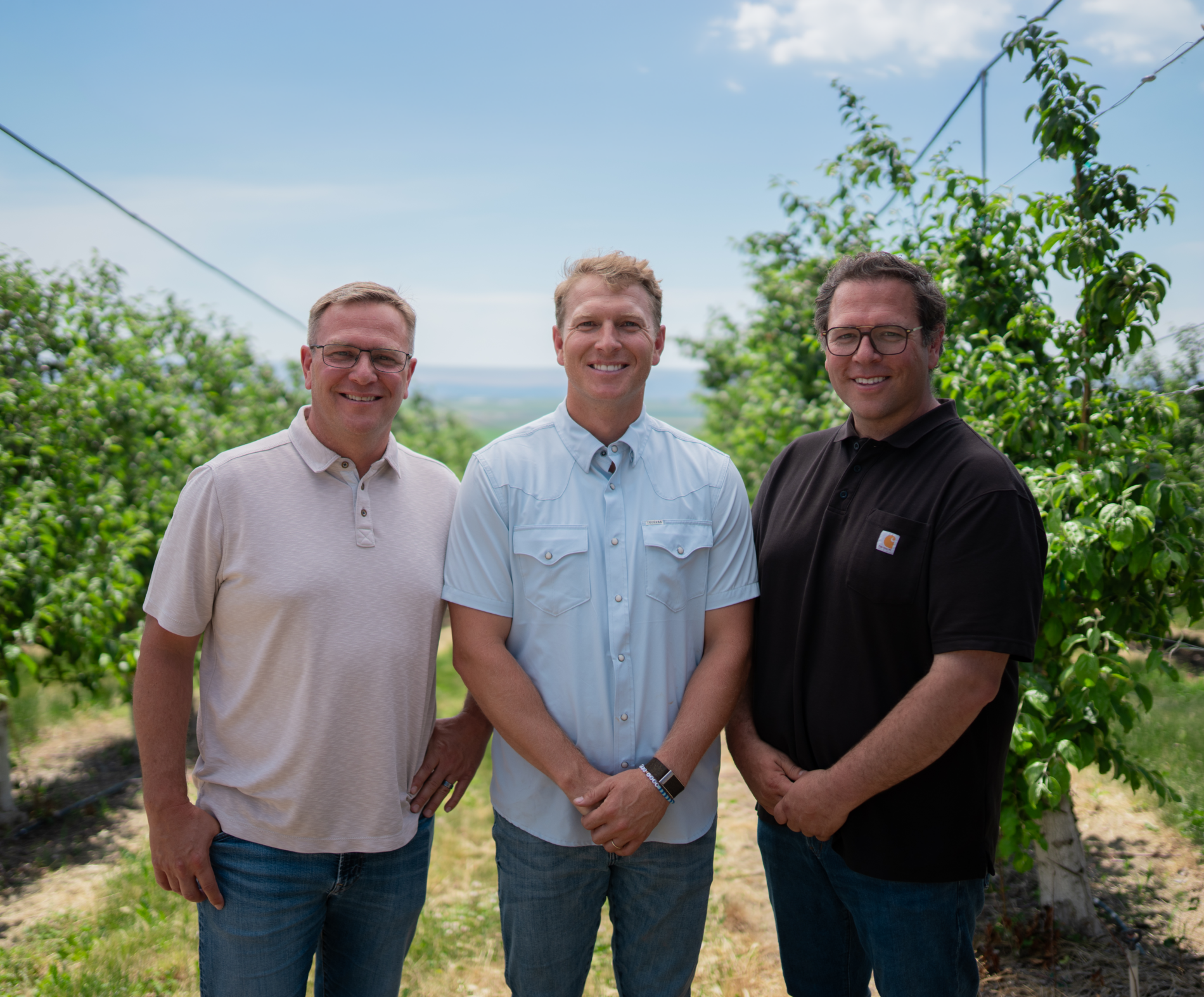
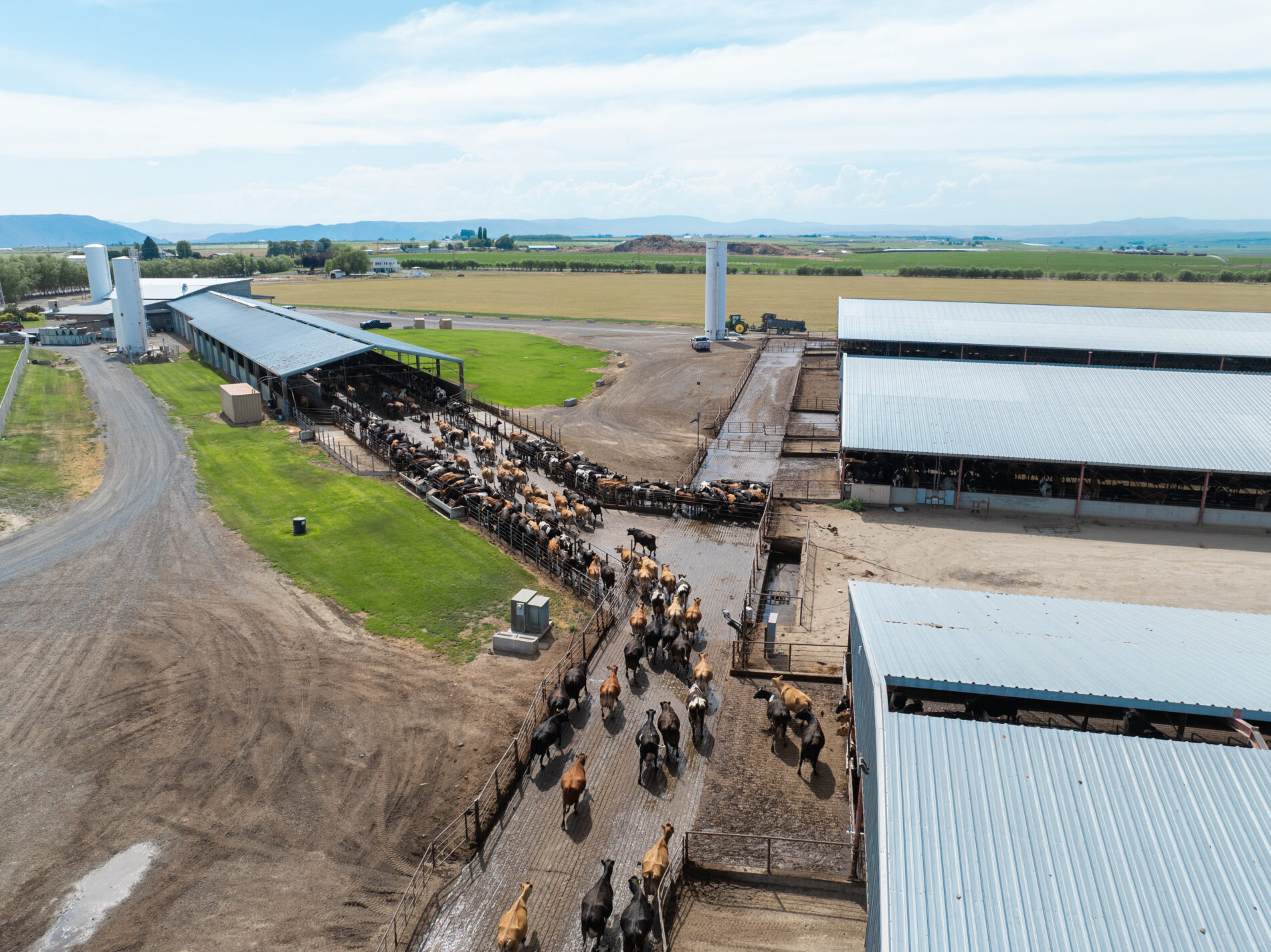
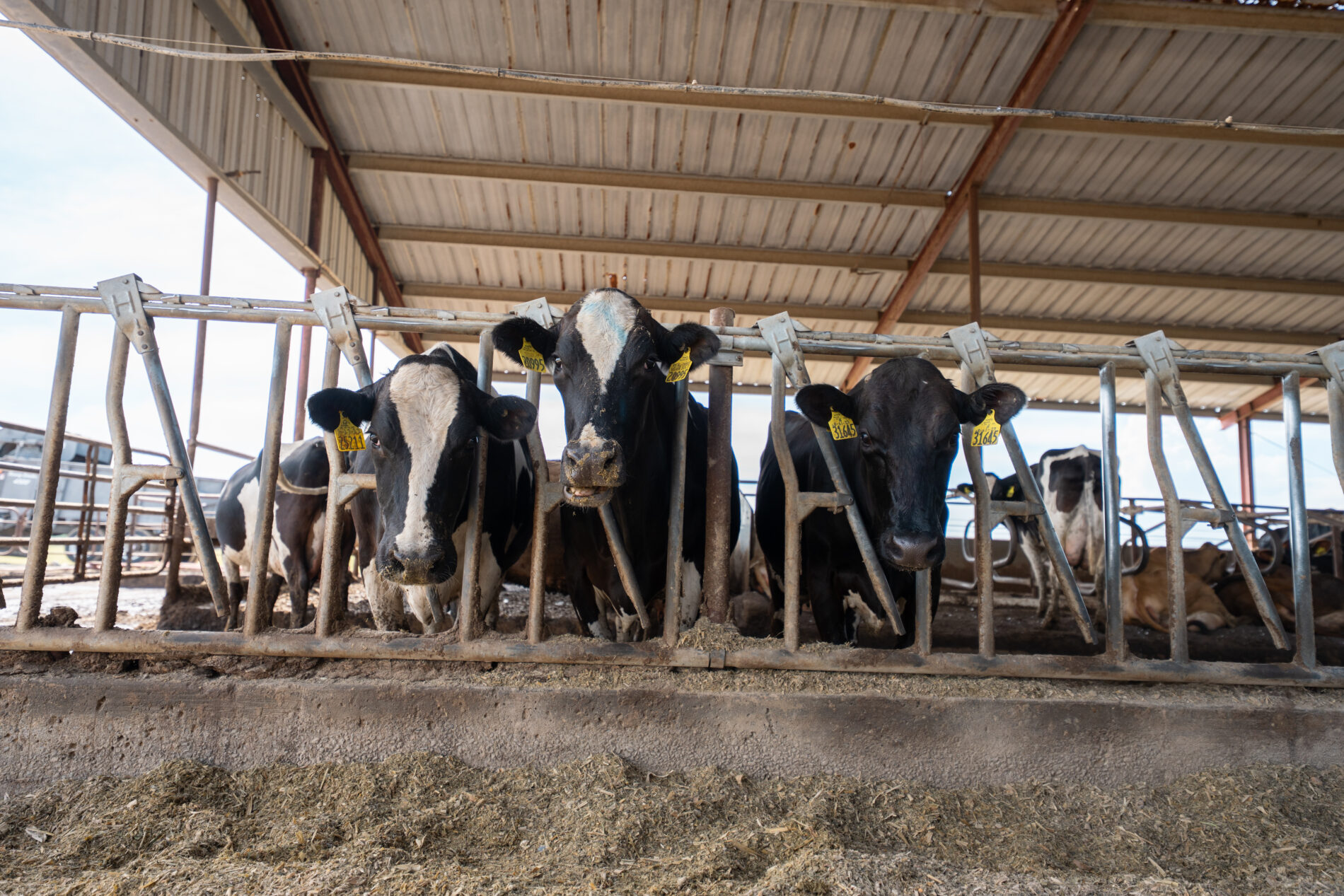
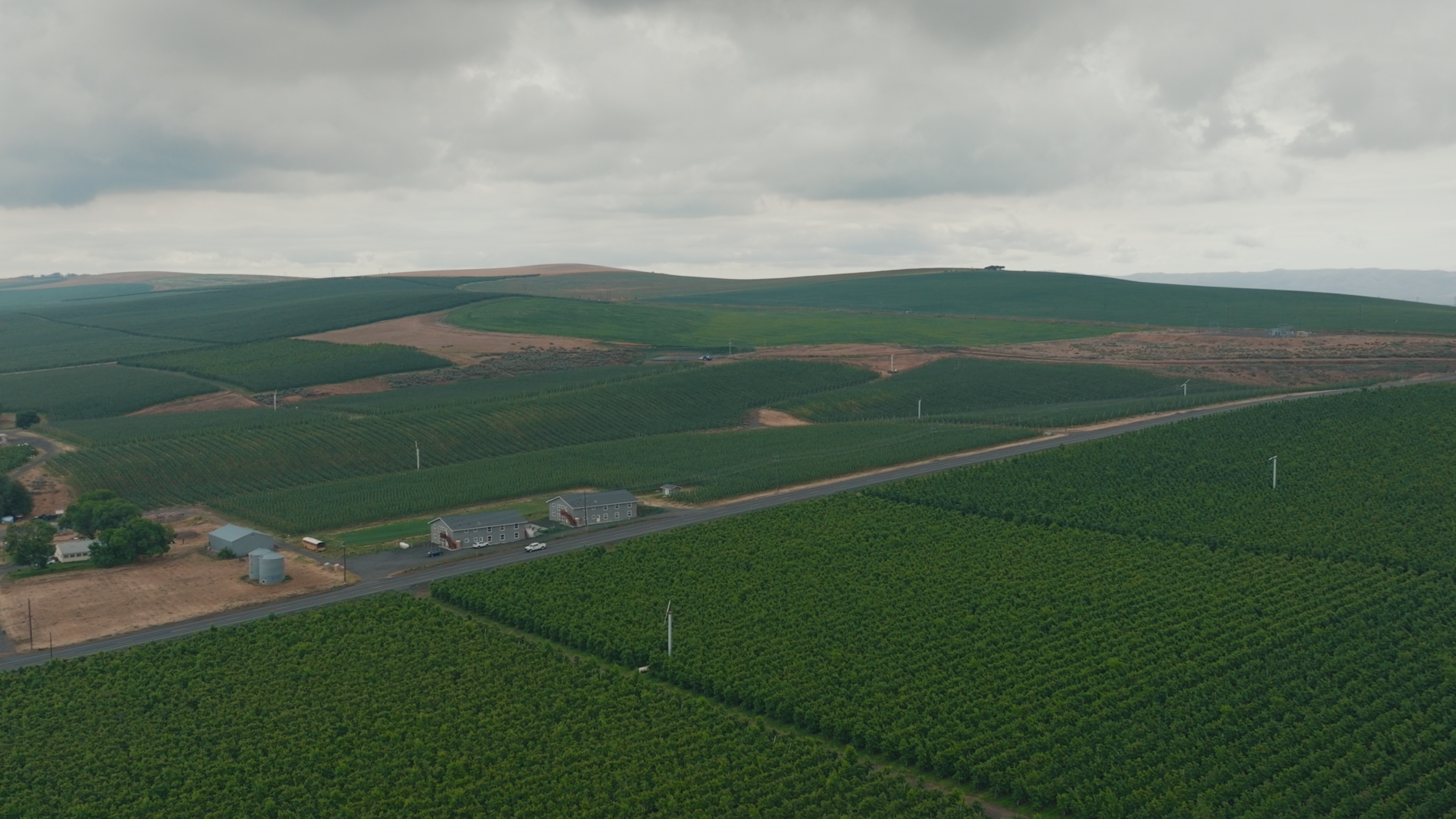
Royal Family Farming—a multi-generational operation built on family, diversification, and sustainability. From row crops and orchards to dairy and beef, the family works together to grow a wide range of crops while focusing on soil health, resilience, and continuous growth across their operation.

ALLRED BROTHERS

Derek Allred
Austin Allred
Tyson Allred

Built by Family, Strengthened by Partnership

In Royal City, Washington, farming is more than an occupation for the Allred family. It is a shared effort that stretches across generations, siblings, and businesses, all working together to build something that lasts.

Royal Family Farming is exactly what the name suggests. It is a true family operation, powered by parents, children, siblings, and in-laws who each play a role in keeping the farm moving forward. What started with earlier generations settling in the area in the 1950s has grown into a diverse agricultural operation that continues to expand as more family members return home and become involved.

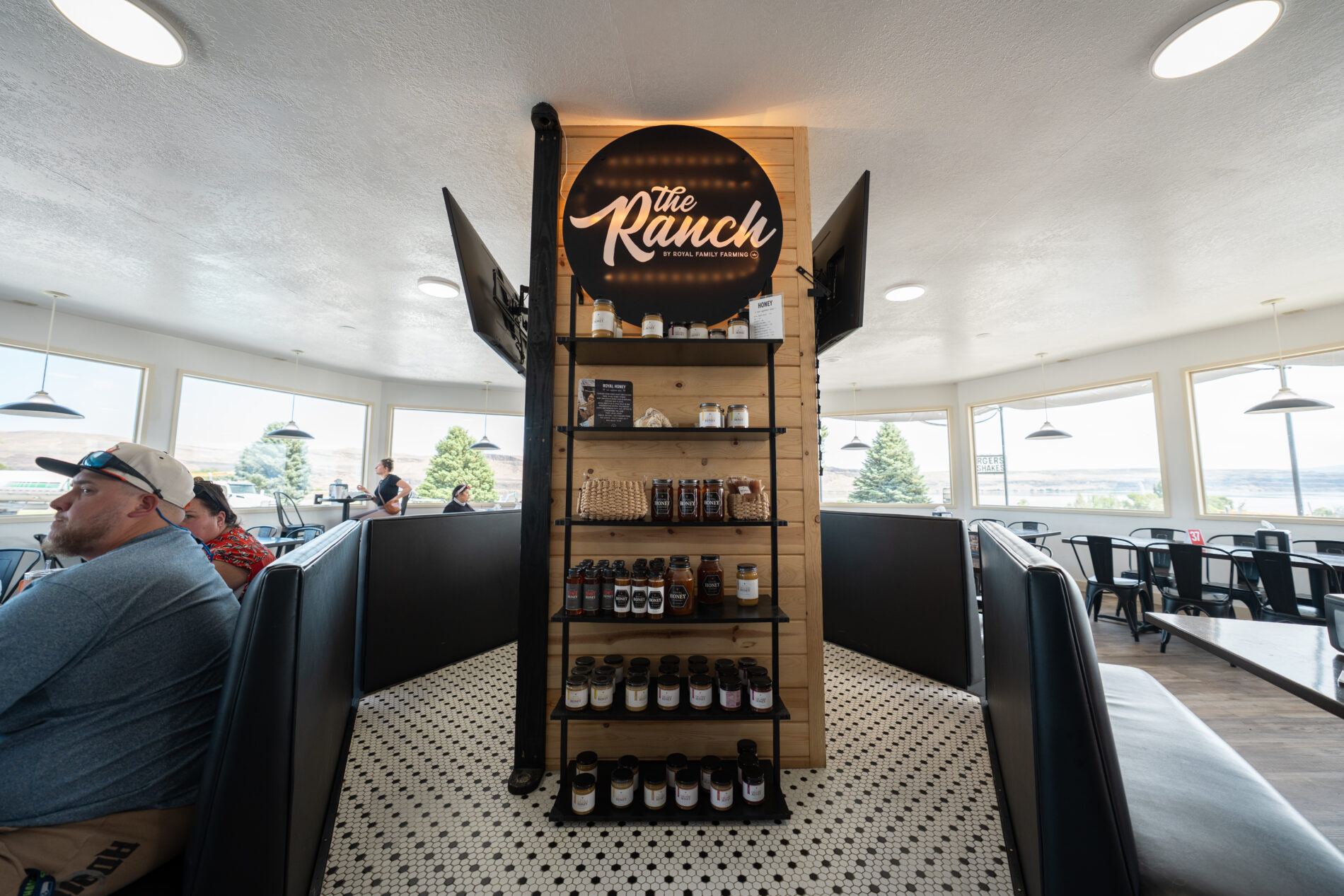
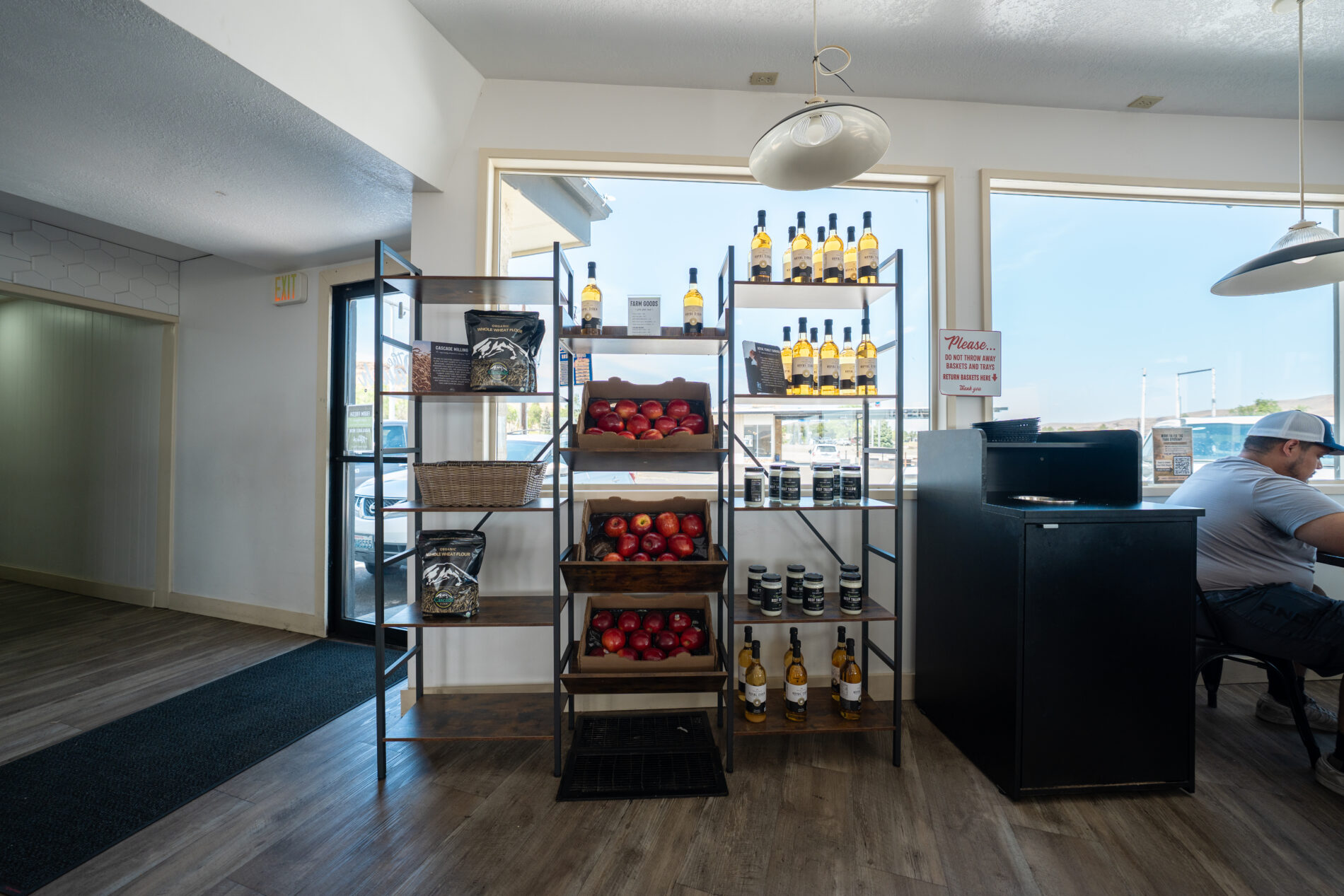
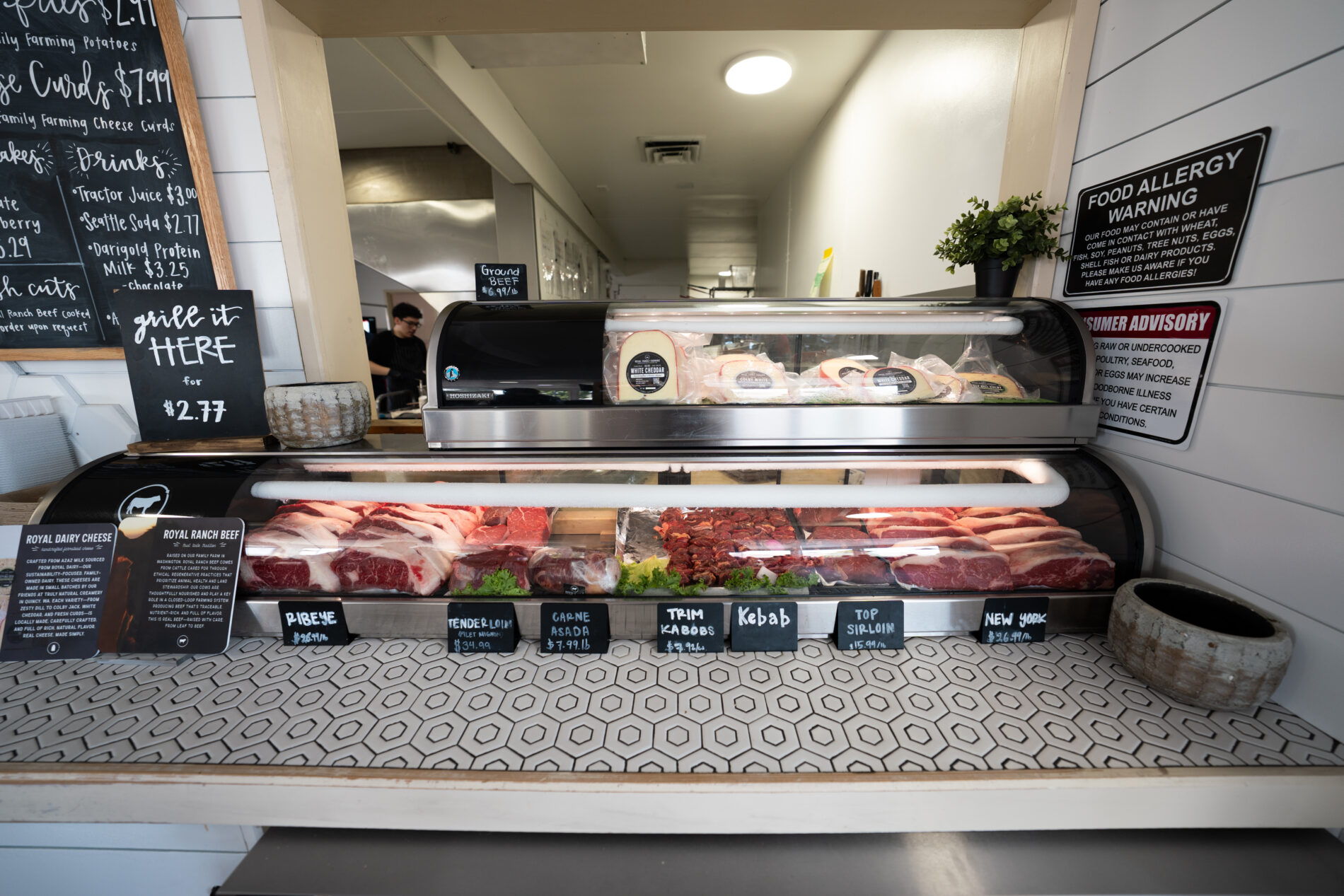
Today, that operation includes row crops, orchards, dairy, beef cattle, and even a direct connection to consumers through their own restaurant. At the center of it all is a shared goal: to create an operation that supports the family today and provides opportunities for the next generation.

A Family Operation with Many Roles

With eight children in the family and multiple businesses to manage, each member has carved out a specific role.
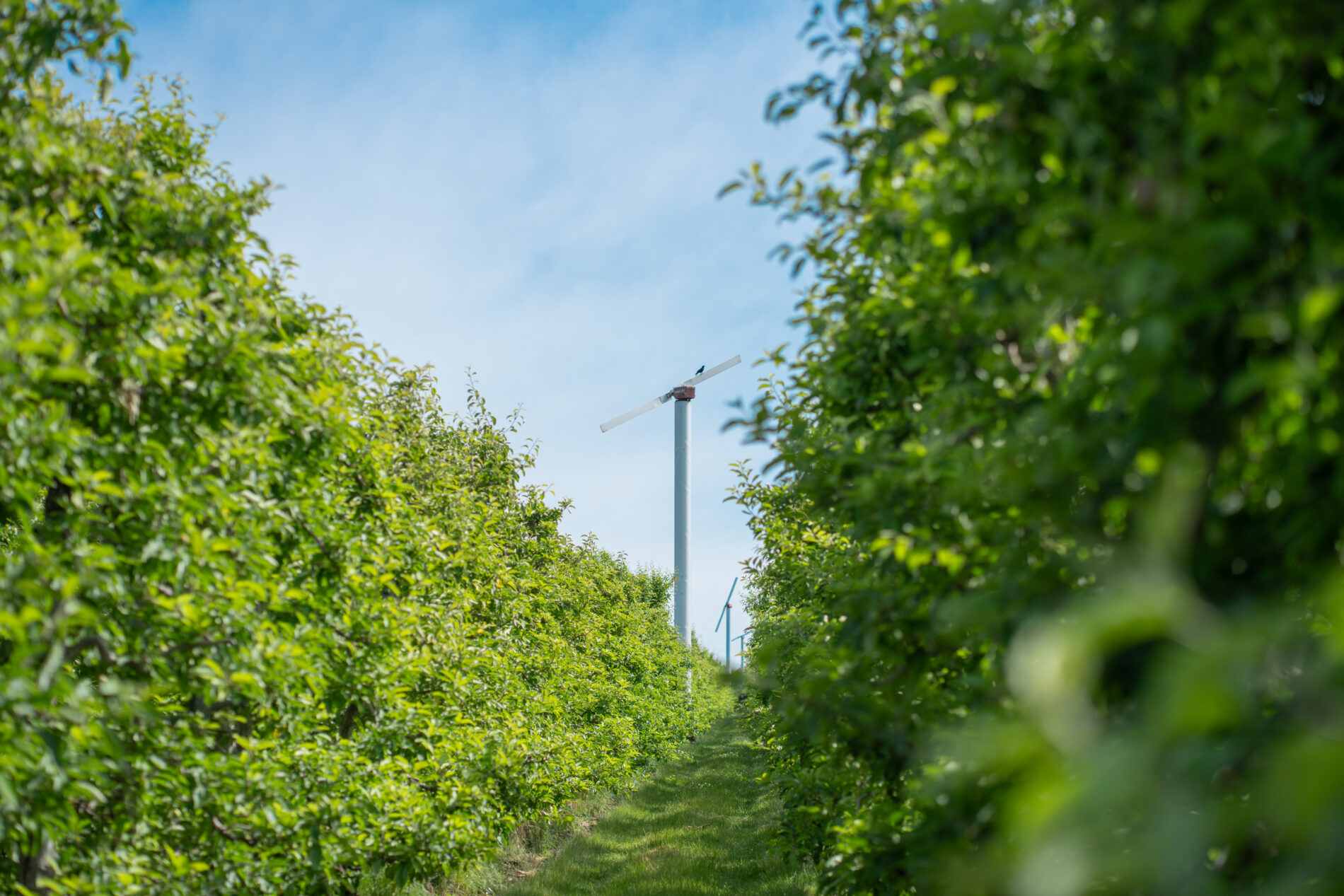
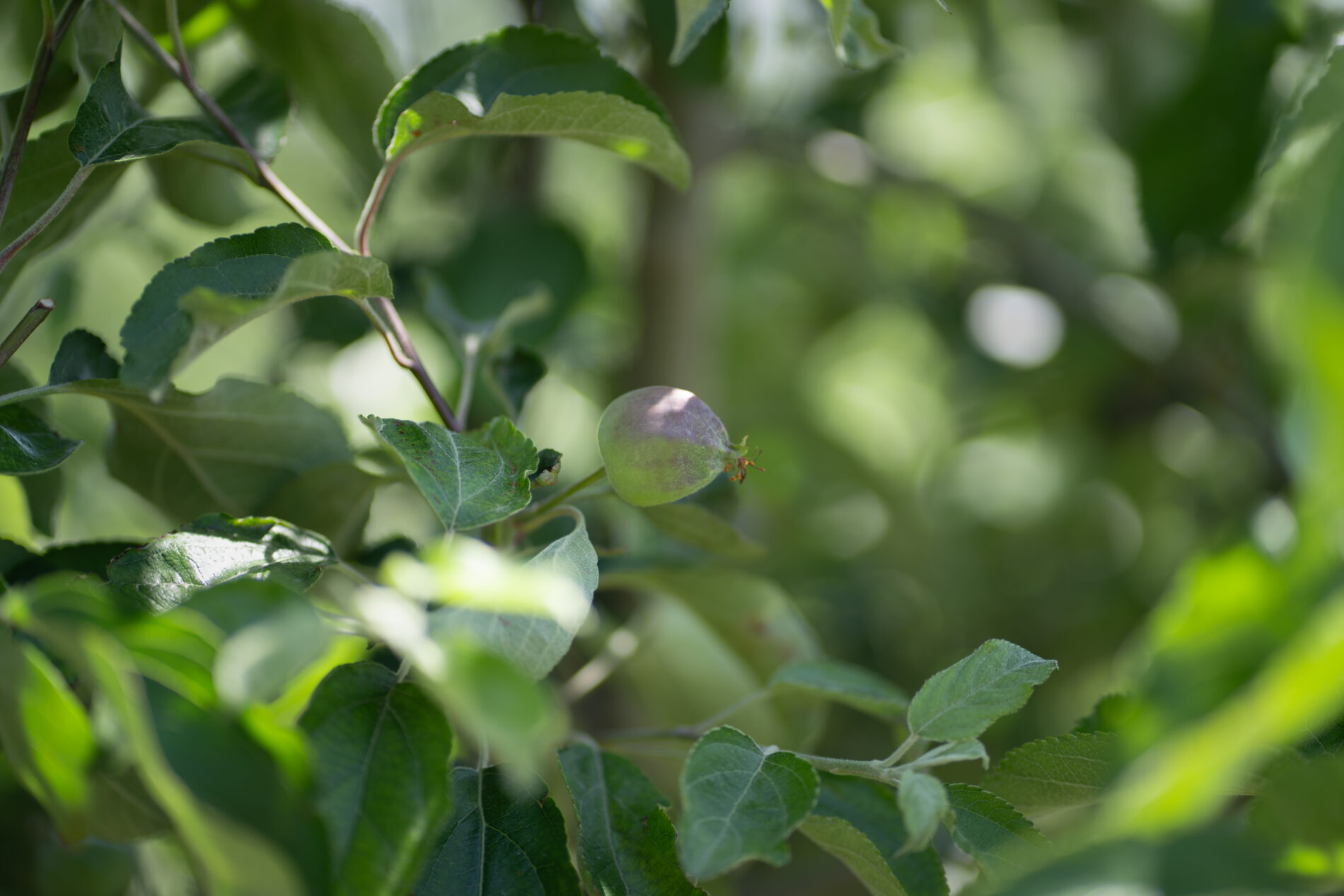
Derek Allred focuses on the orchard side, helping manage around 500 acres of apples and cherries. In addition to growing fruit, he serves as president of Double Diamond, where apples and cherries are packed for both their own operation and other local growers. From pruning trees in the winter to preparing fruit for harvest in late summer and fall, orchard work is a year-round effort that requires constant attention to detail.
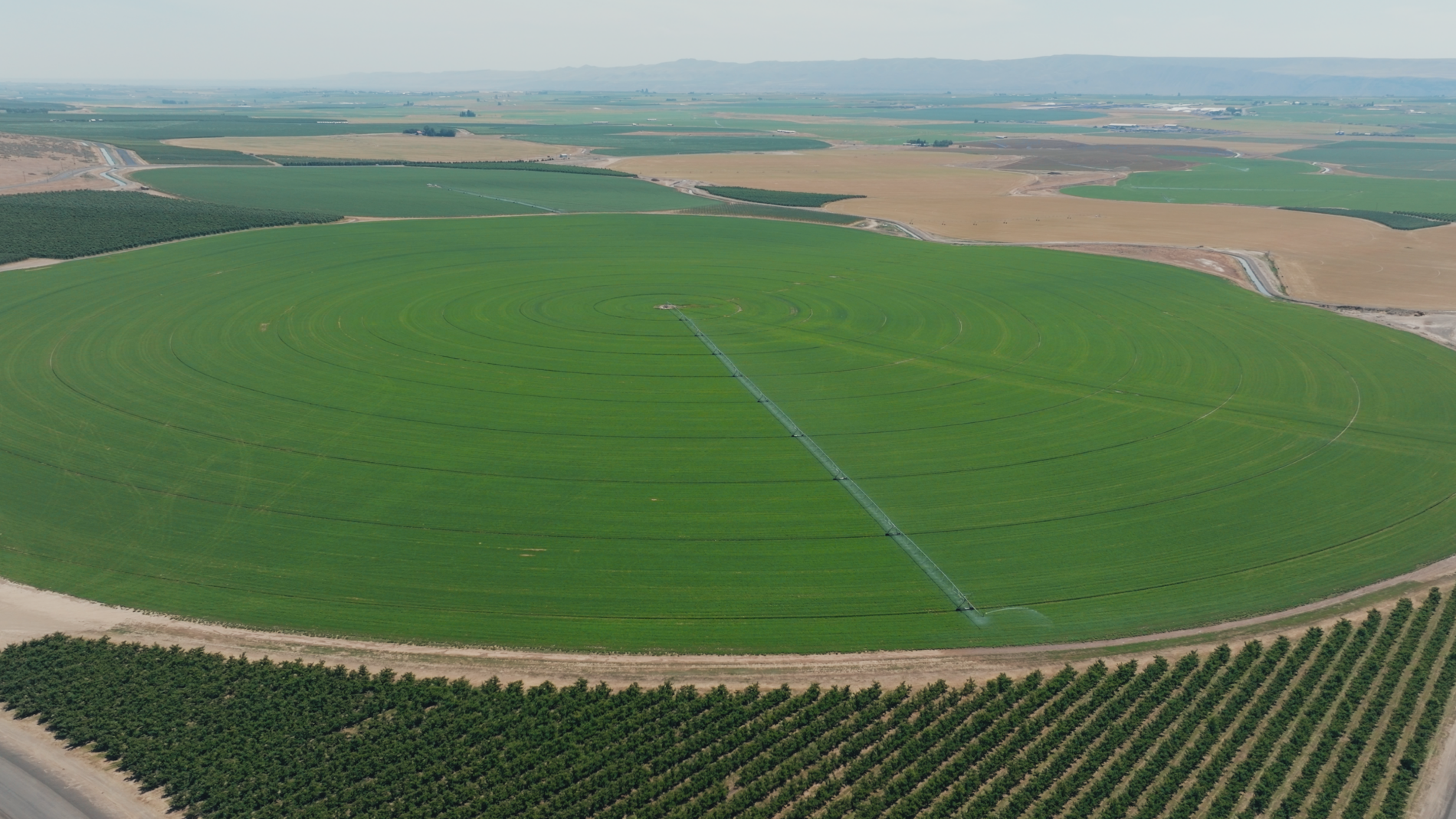
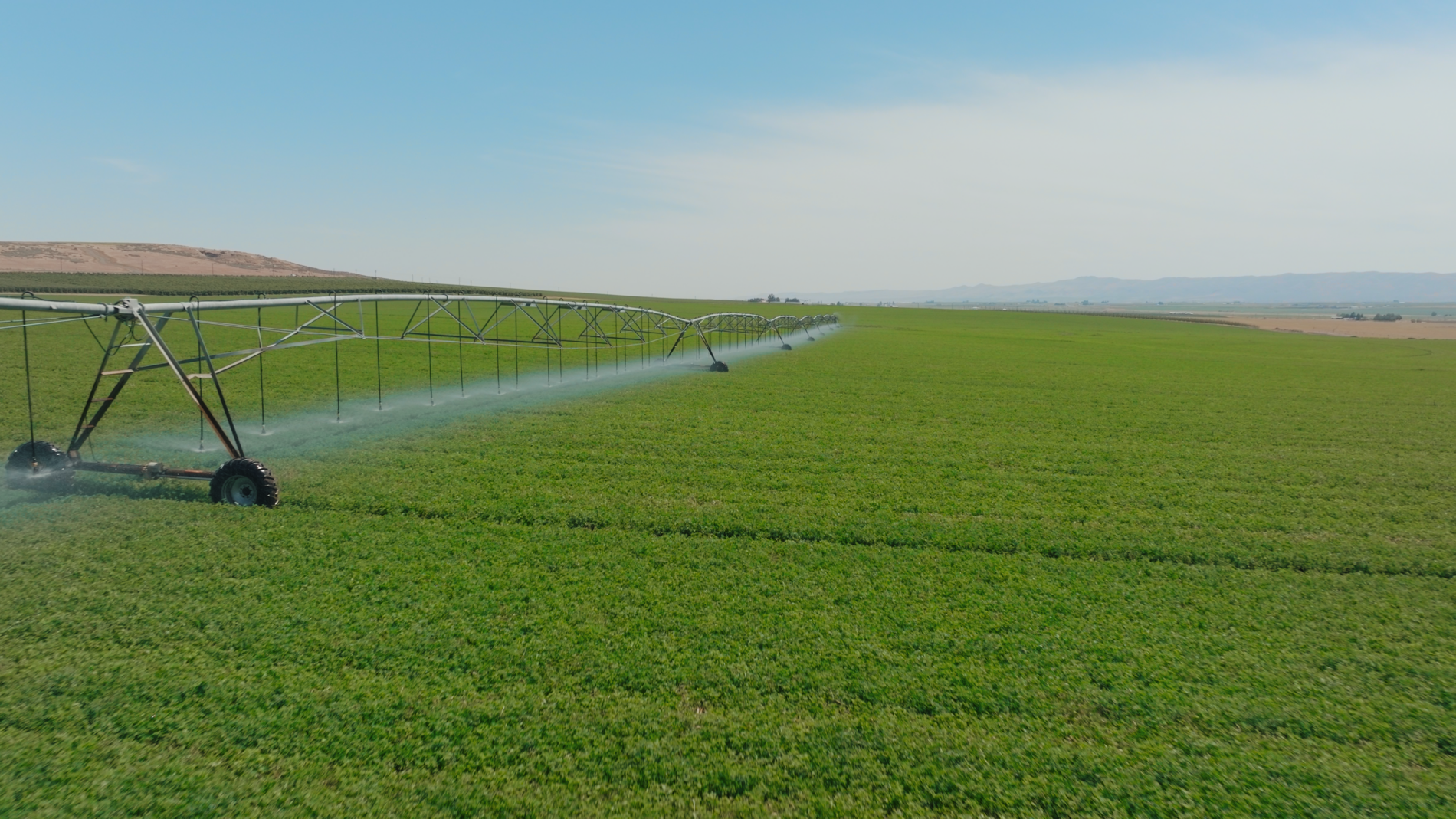
Tyson Allred leads the row crop side of the farm, overseeing everything from potatoes and sweet corn to alfalfa, triticale, and corn grown for feed. These crops play a critical role in the overall system, supporting both the farm and its livestock operations. Managing irrigation alone is a major responsibility, with more than 100 pivot circles requiring constant monitoring to ensure crops receive the right amount of water at the right time.
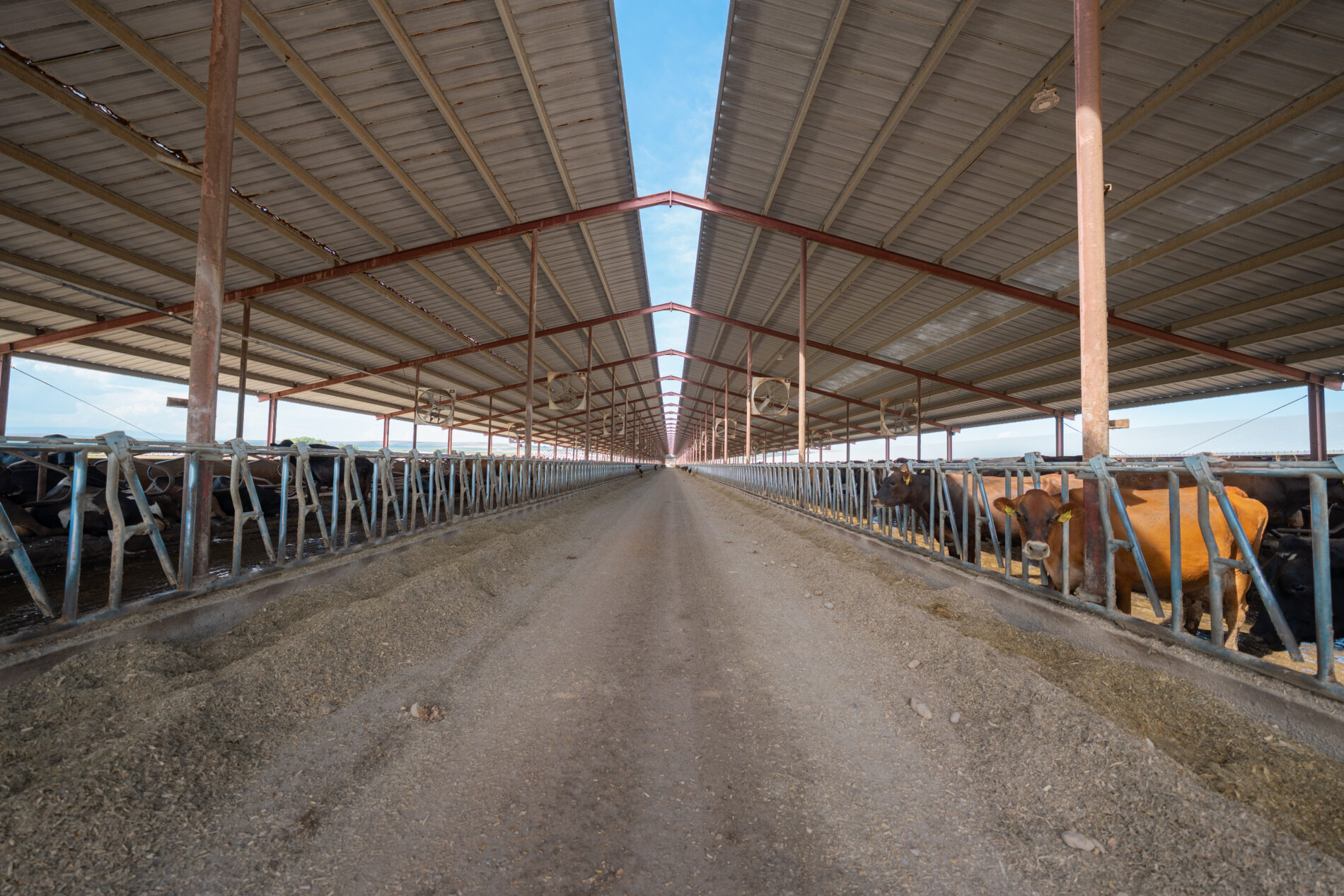
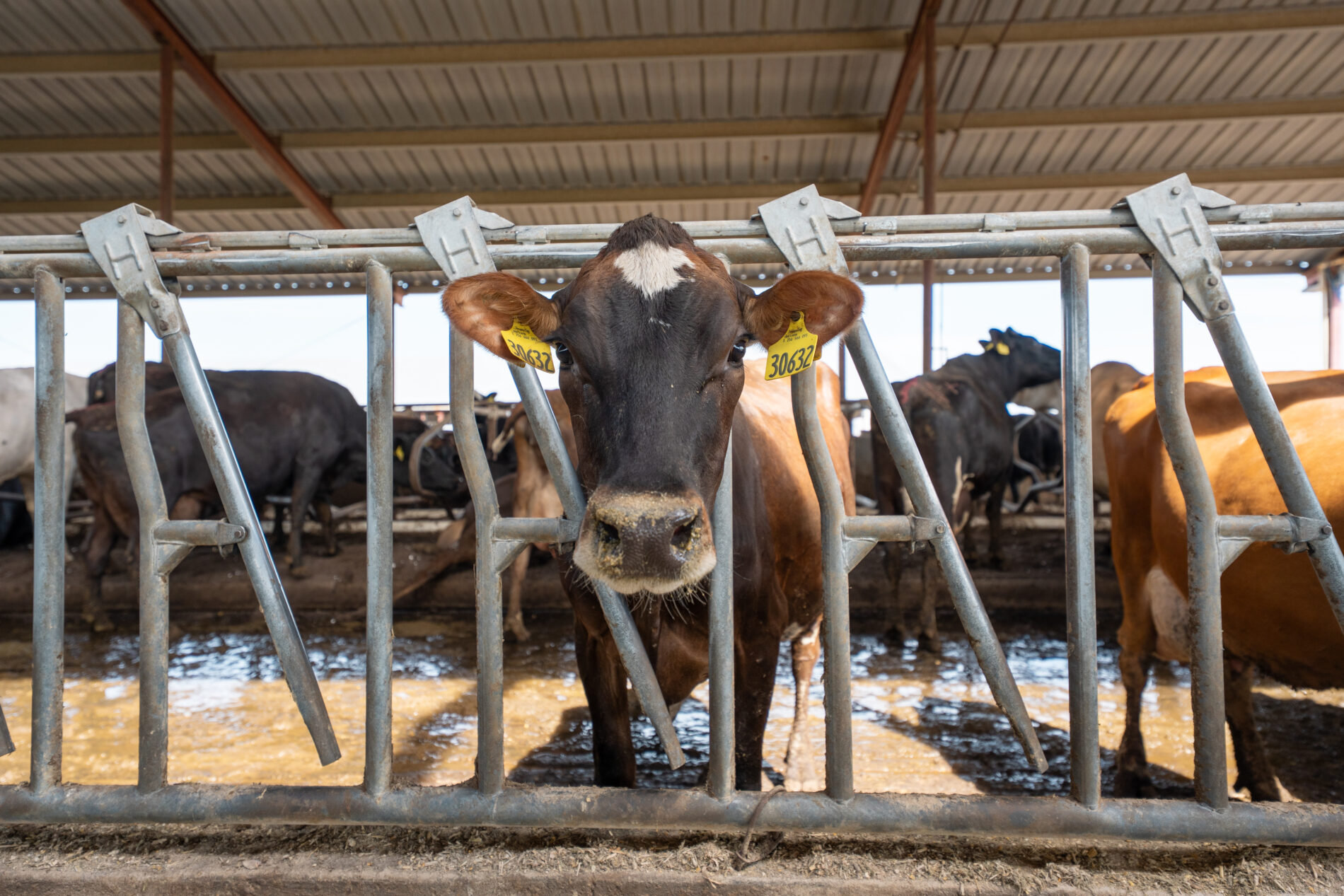
Austin Allred, the youngest of the brothers, focuses on the cattle side of the business. What began as an effort to diversify has become a major component of the operation, adding both flexibility and new opportunities for growth.
Behind the scenes, the rest of the family is equally involved. Sisters contribute through marketing, tours, and product development, while brothers-in-law help manage irrigation and financial operations. Their father remains closely involved as a mentor and advisor, helping guide decisions based on decades of experience.
It is this shared effort that keeps the operation running smoothly. Each piece is important on its own, but together they create something much larger.”

Growing Together and Expanding Opportunities

As the family has grown, so has the farm. What began with crops like potatoes has expanded into a wide range of products and businesses, allowing the operation to diversify and stay resilient in a constantly changing industry.

The orchards produce apples and cherries that are shipped across the United States and around the world. The row crop side supplies both food products and feed for livestock. The cattle operation adds another layer, connecting different parts of the farm and supporting overall production.

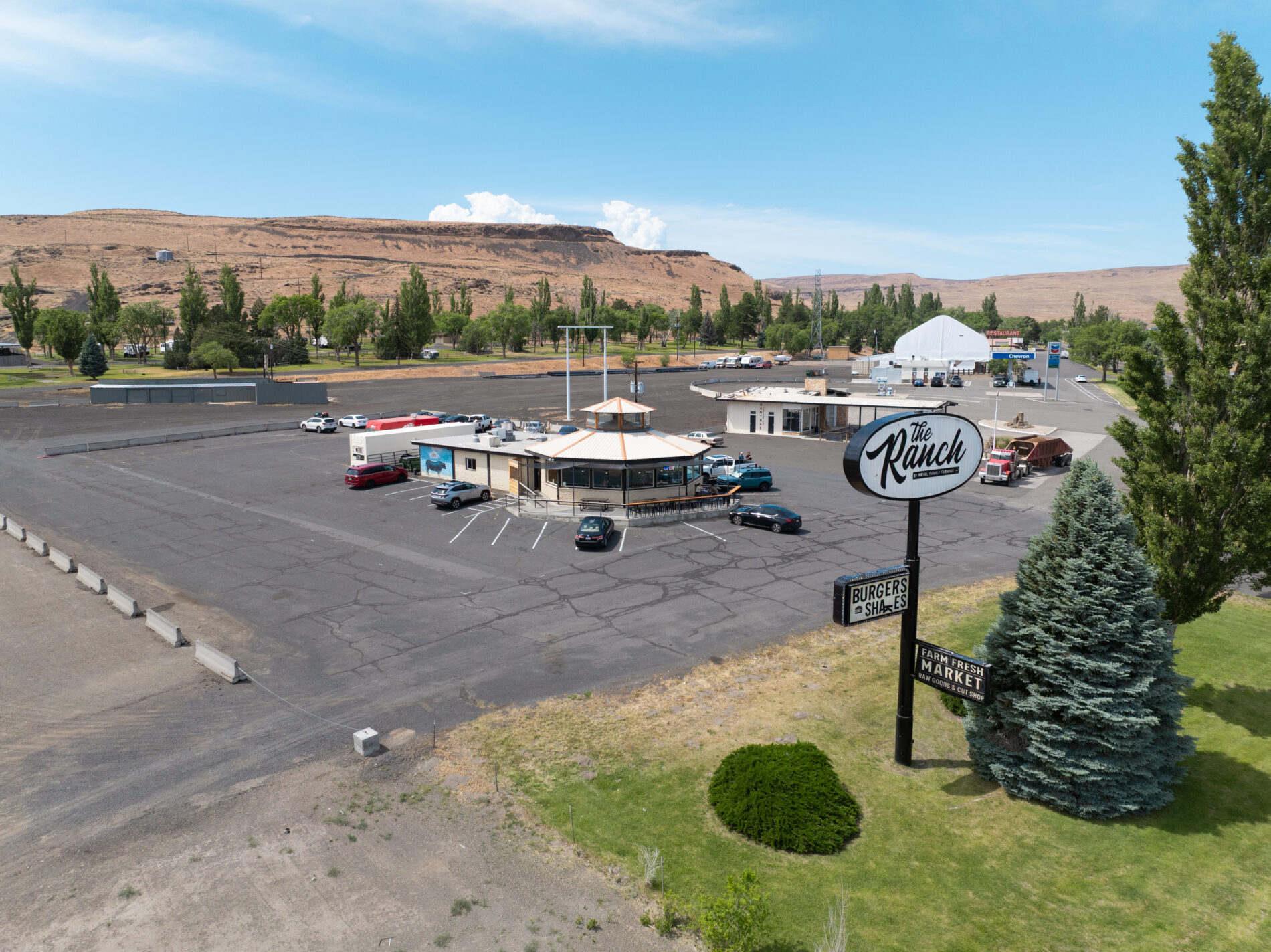
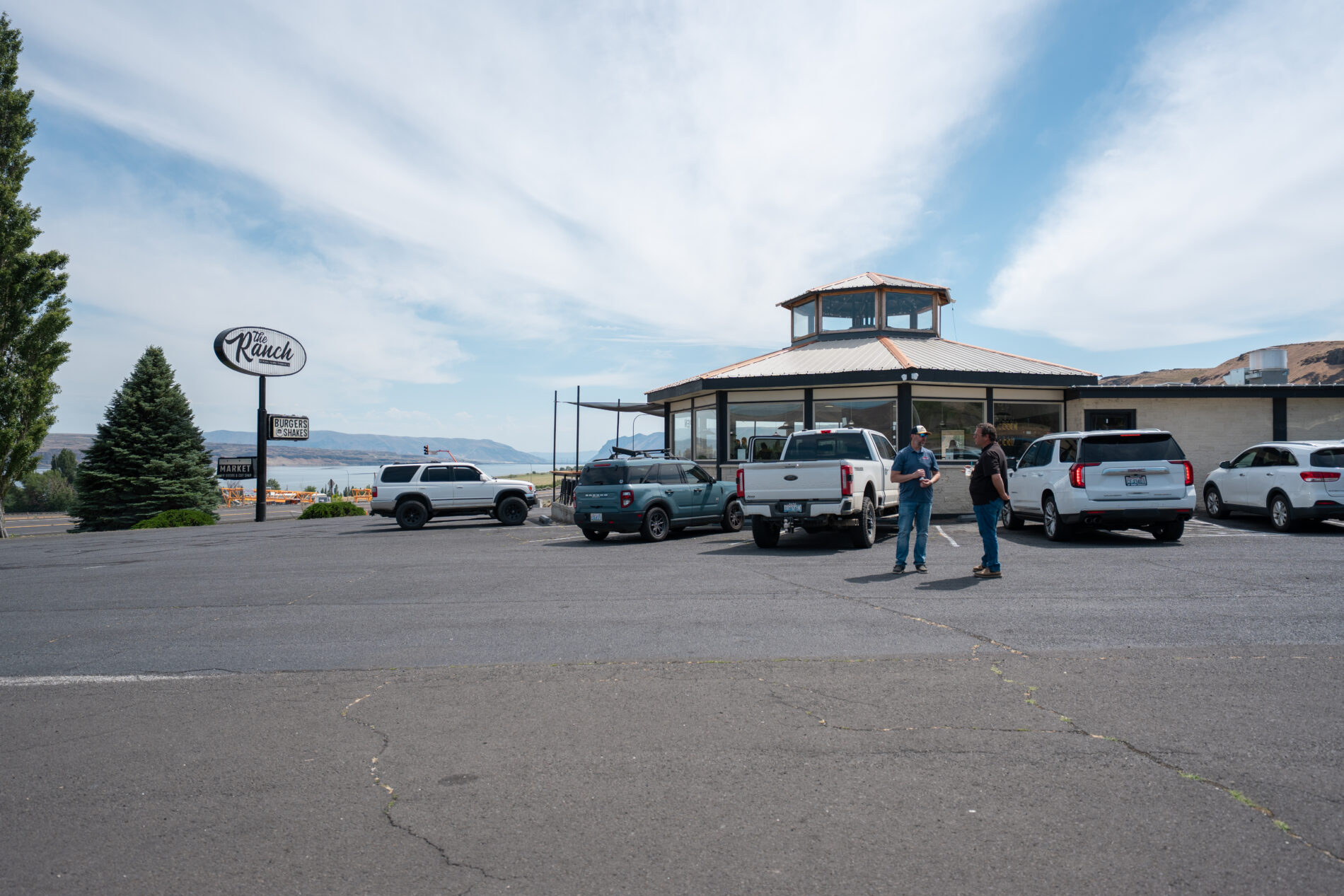
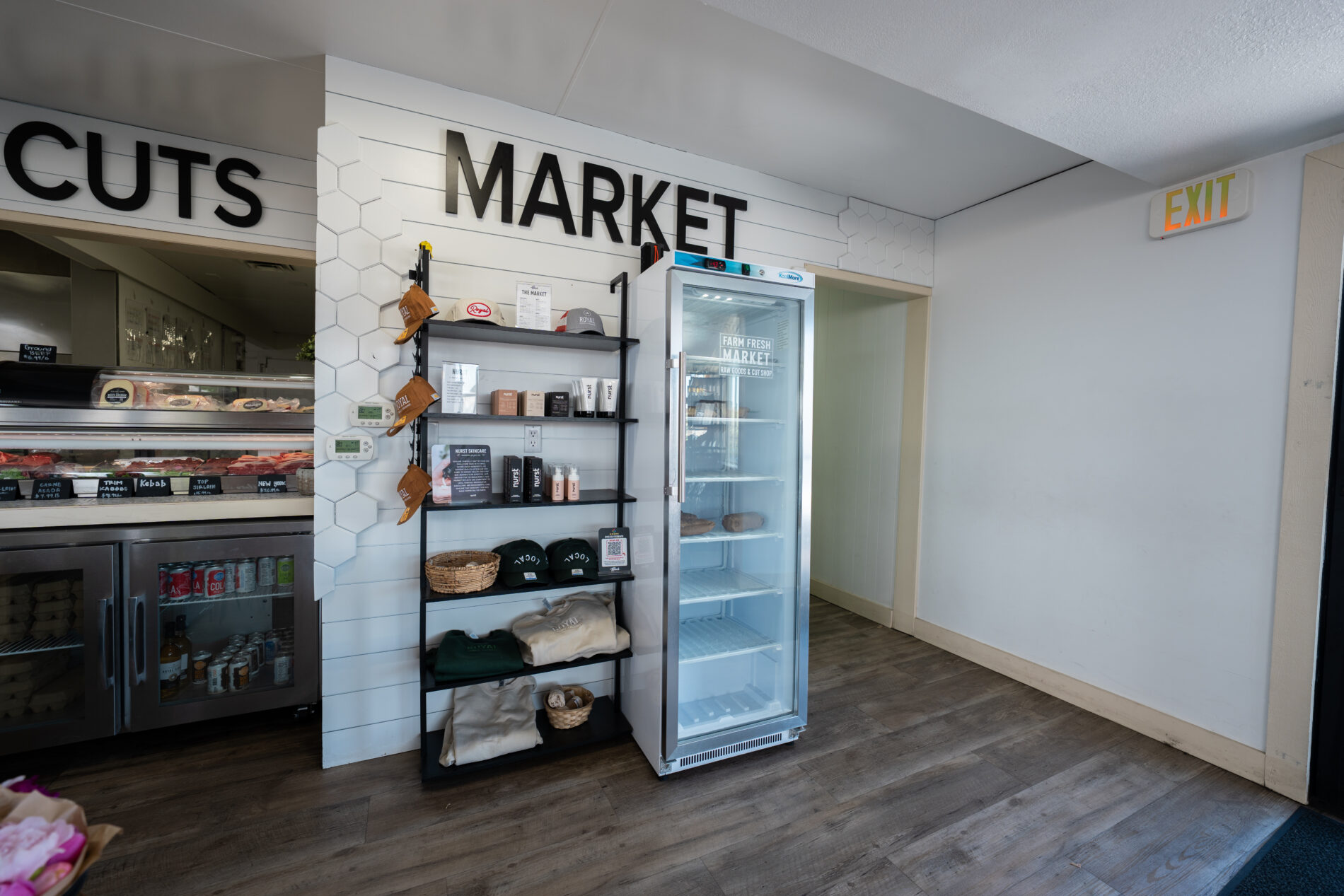
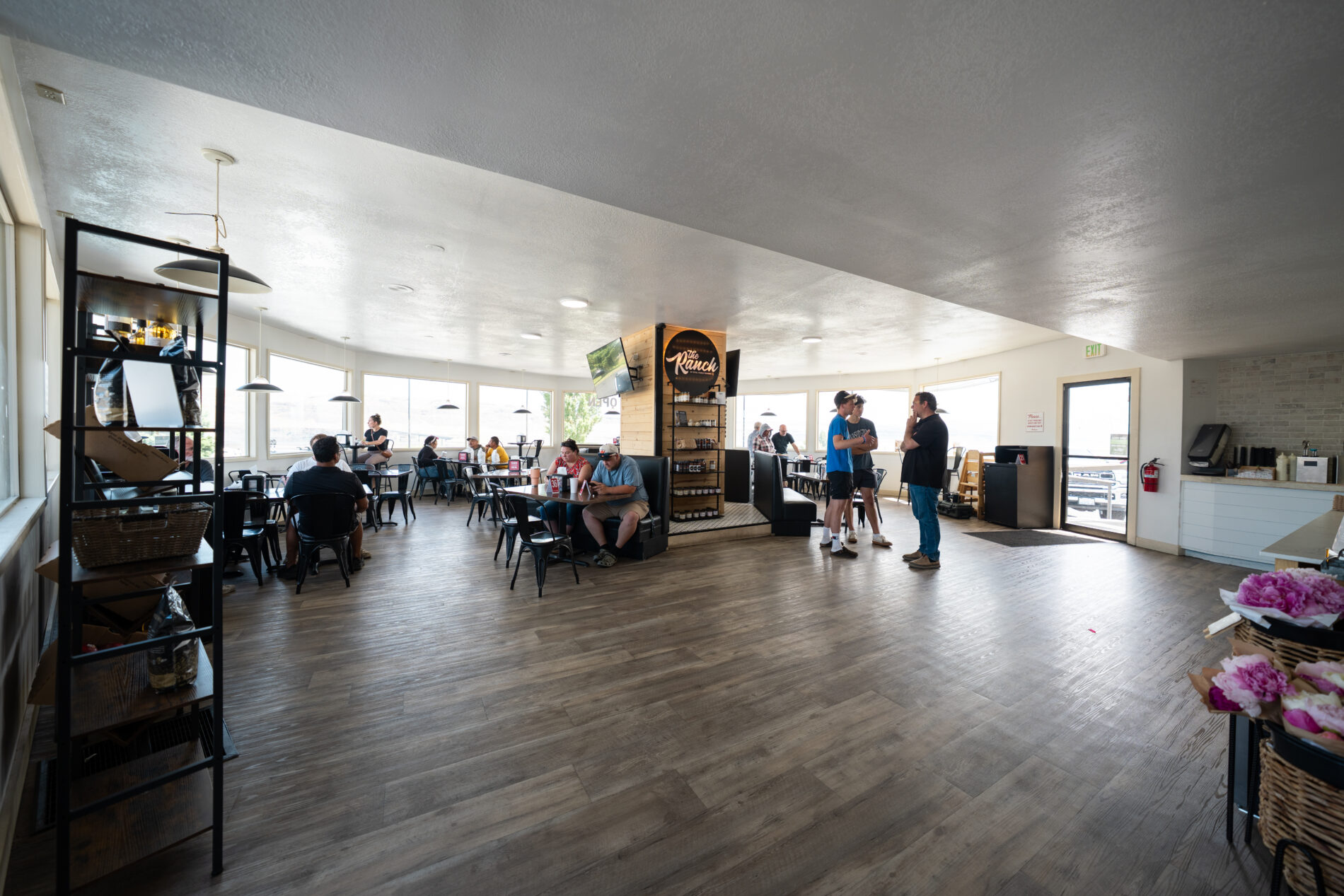
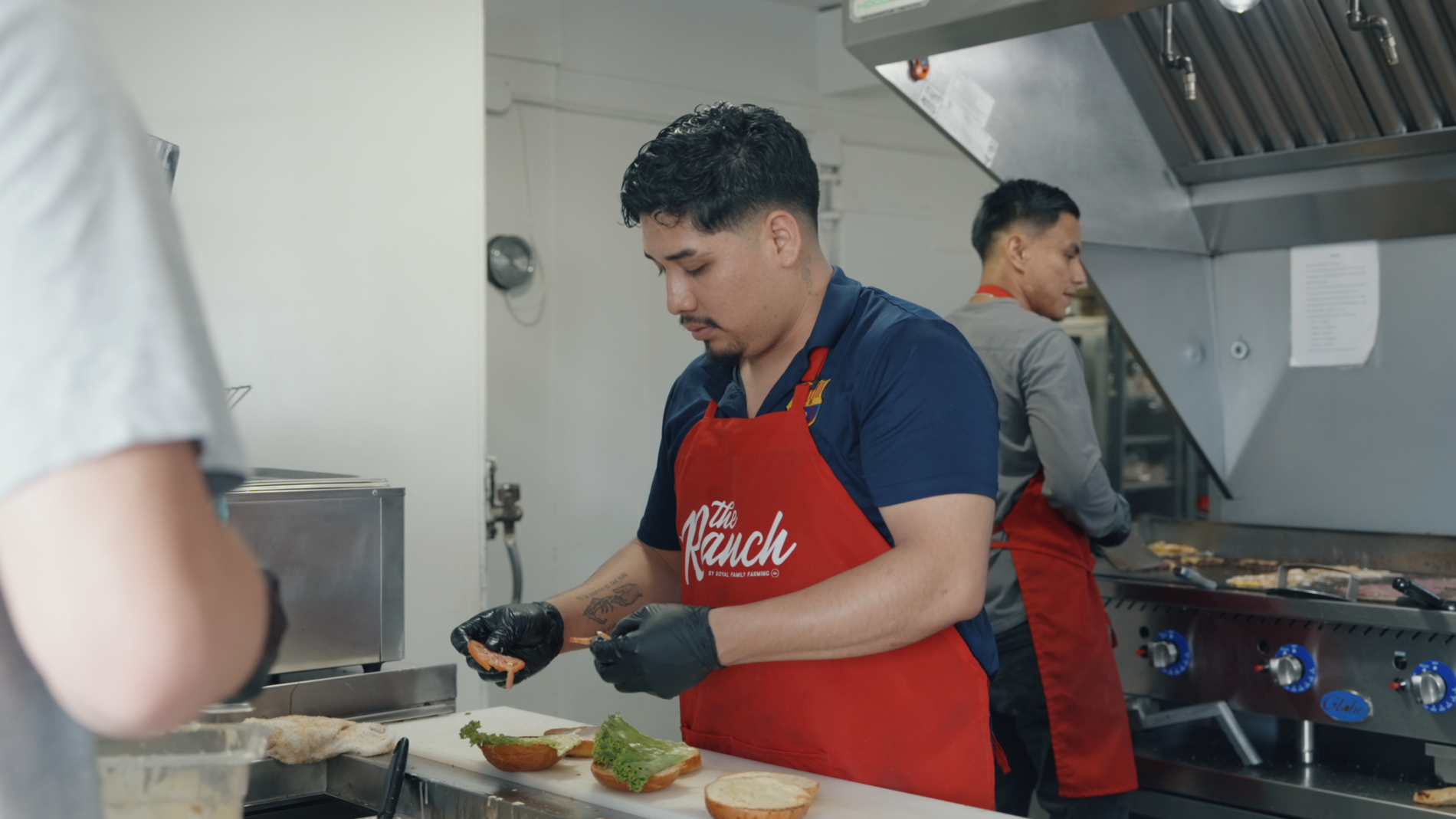
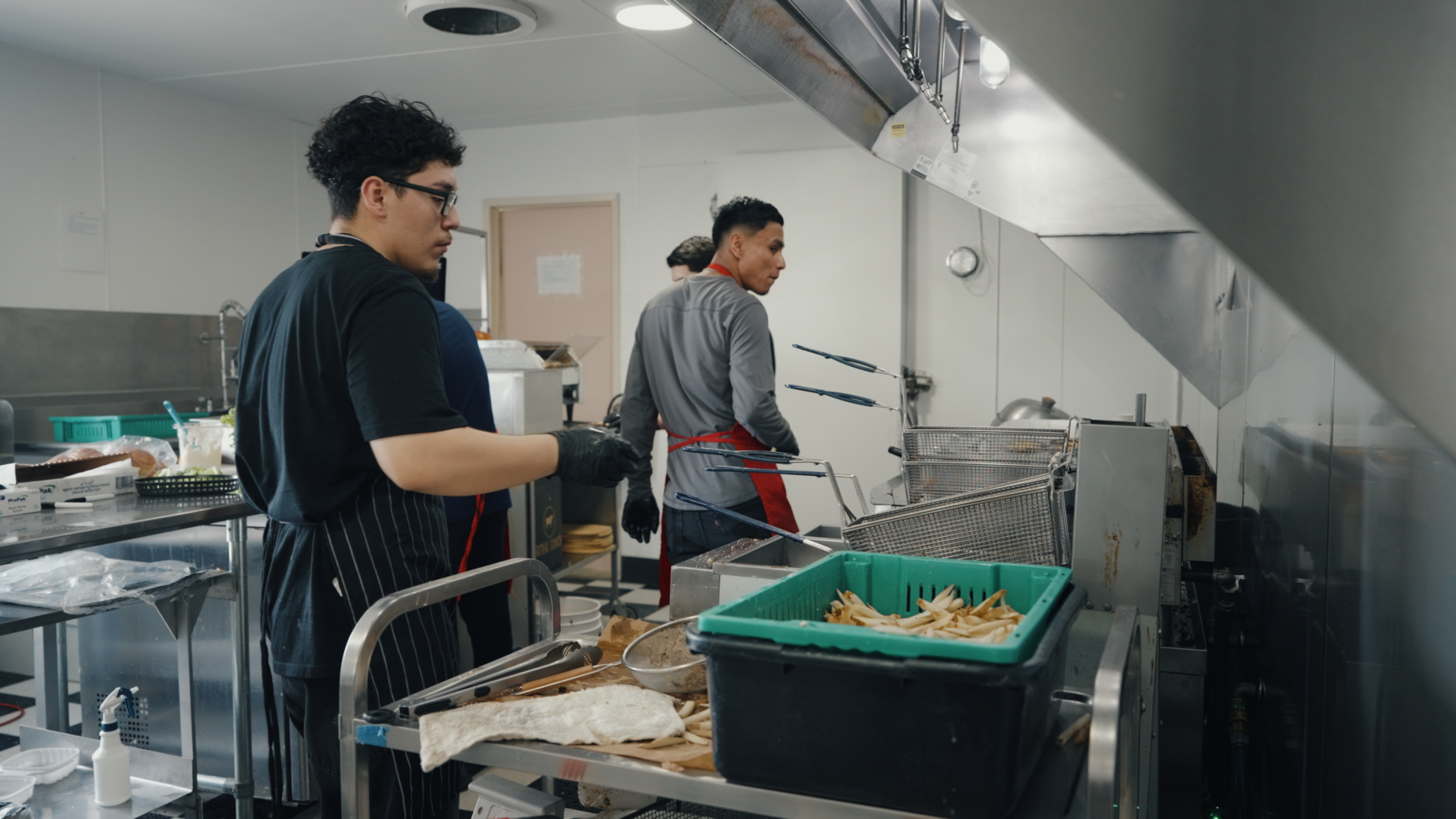
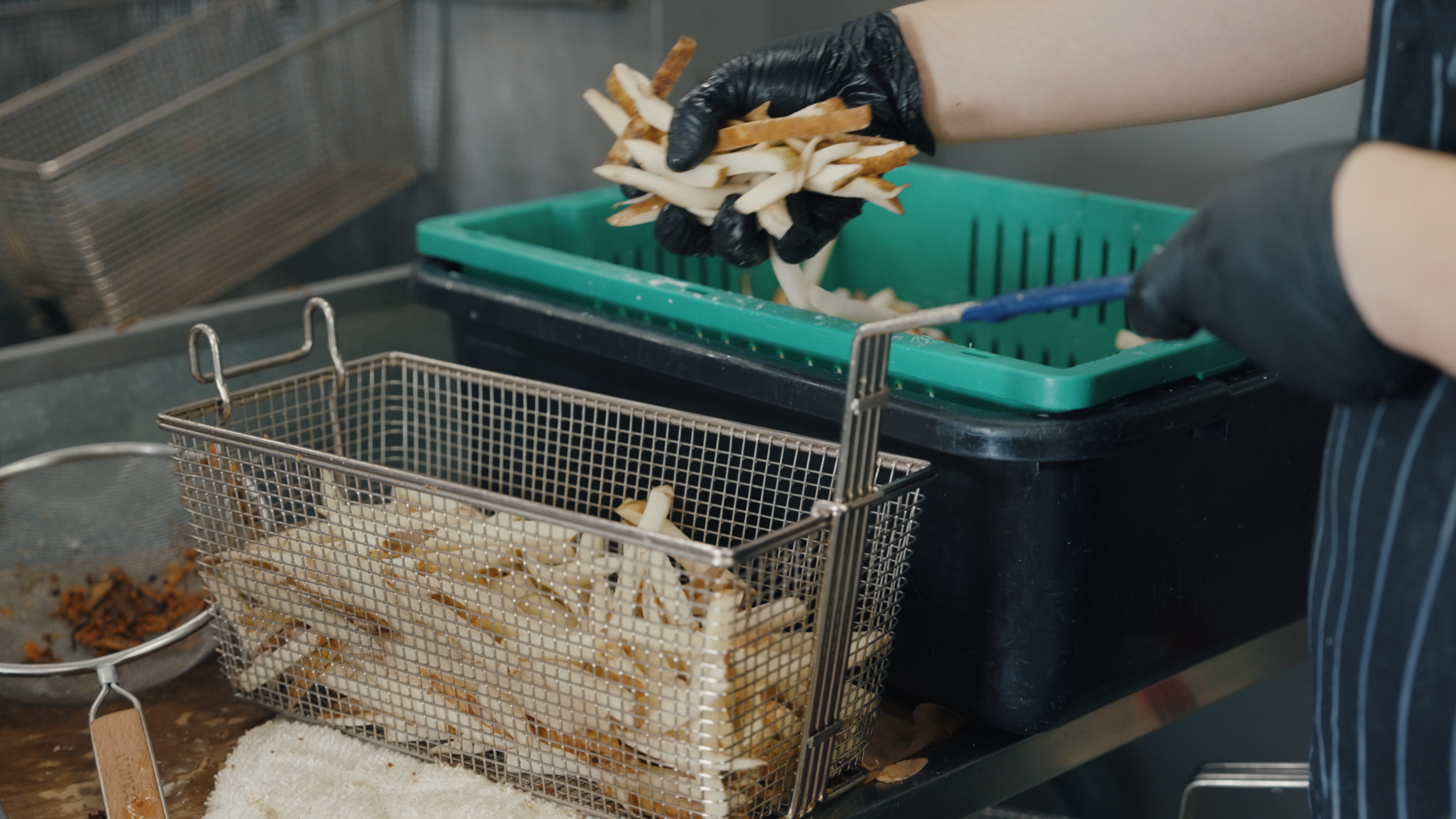
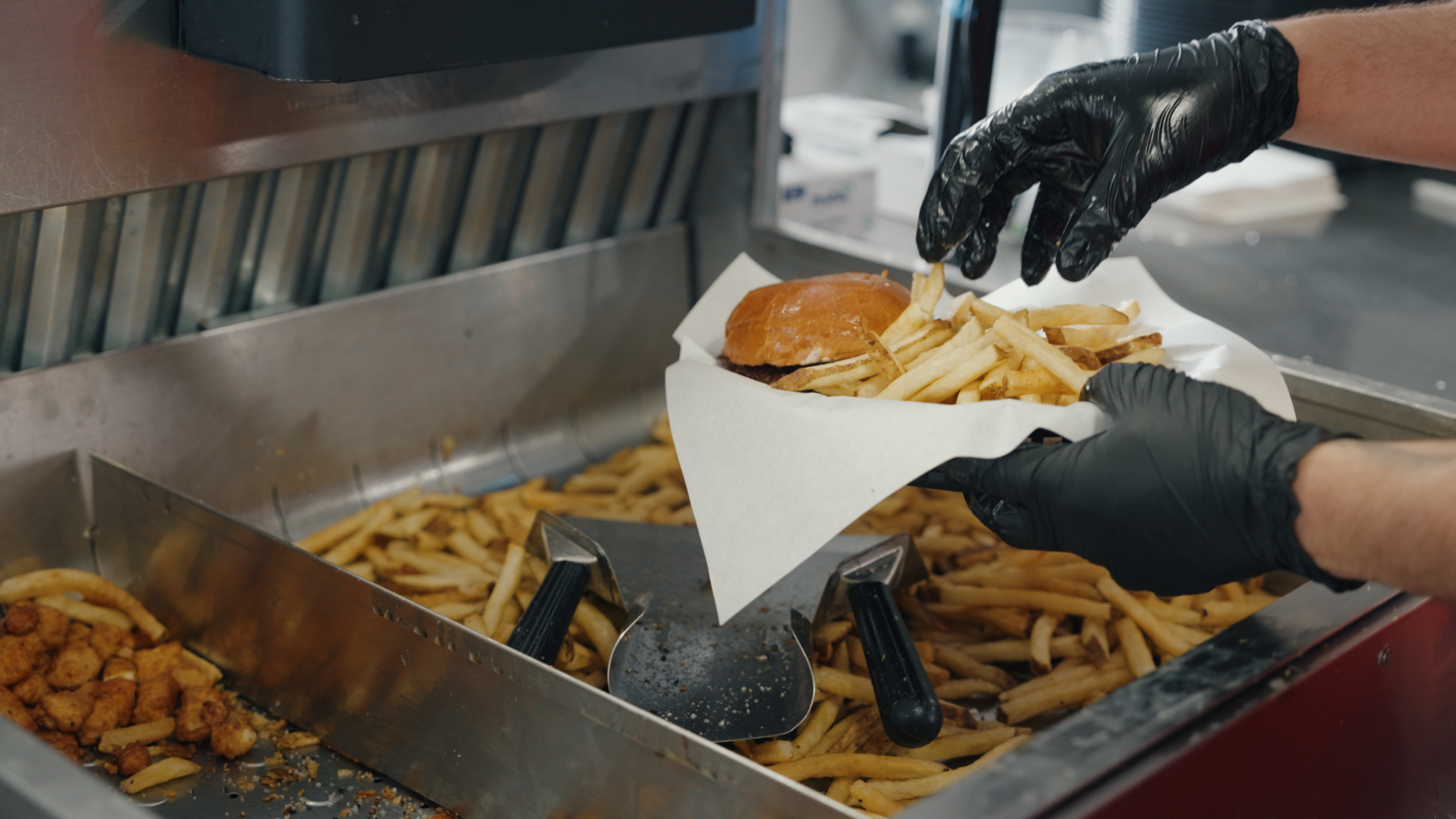
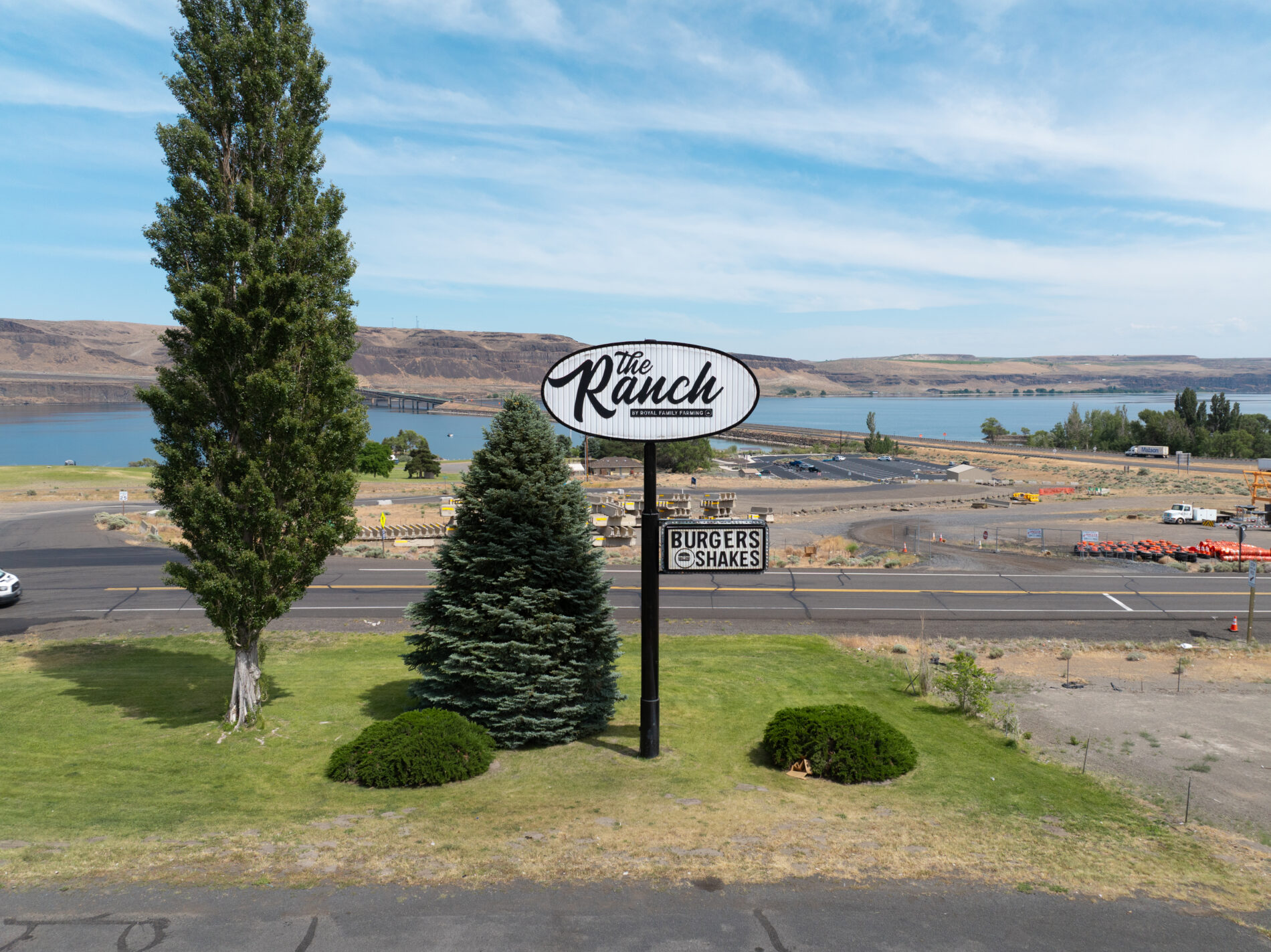
More recently, the family has taken that connection a step further by opening a restaurant called The Ranch. Located nearby, it gives them a place to share their products directly with the community. Customers can enjoy burgers, steak, and other items made with ingredients grown on the farm.

For the Allreds, the restaurant is about more than food. It is a way to tell their story and connect with people in a more personal way. It also creates an opportunity for the next generation to learn important skills.

As Austin explains, it gives kids a chance to work not just in the field, but with people. It helps them learn communication, responsibility, and the value of representing something bigger than themselves.

A Partnership That Supports the Entire Operation

With so many moving parts, having the right partners is essential. For the Allred family, Valley Ag plays a key role across every part of the operation.
In the orchards, Valley Ag provides critical support with soil sampling and fertility programs, helping ensure trees receive the nutrients they need to produce high-quality fruit. In some varieties, like Honeycrisp, even small adjustments can make a big difference, and having expert guidance helps the team stay on track.
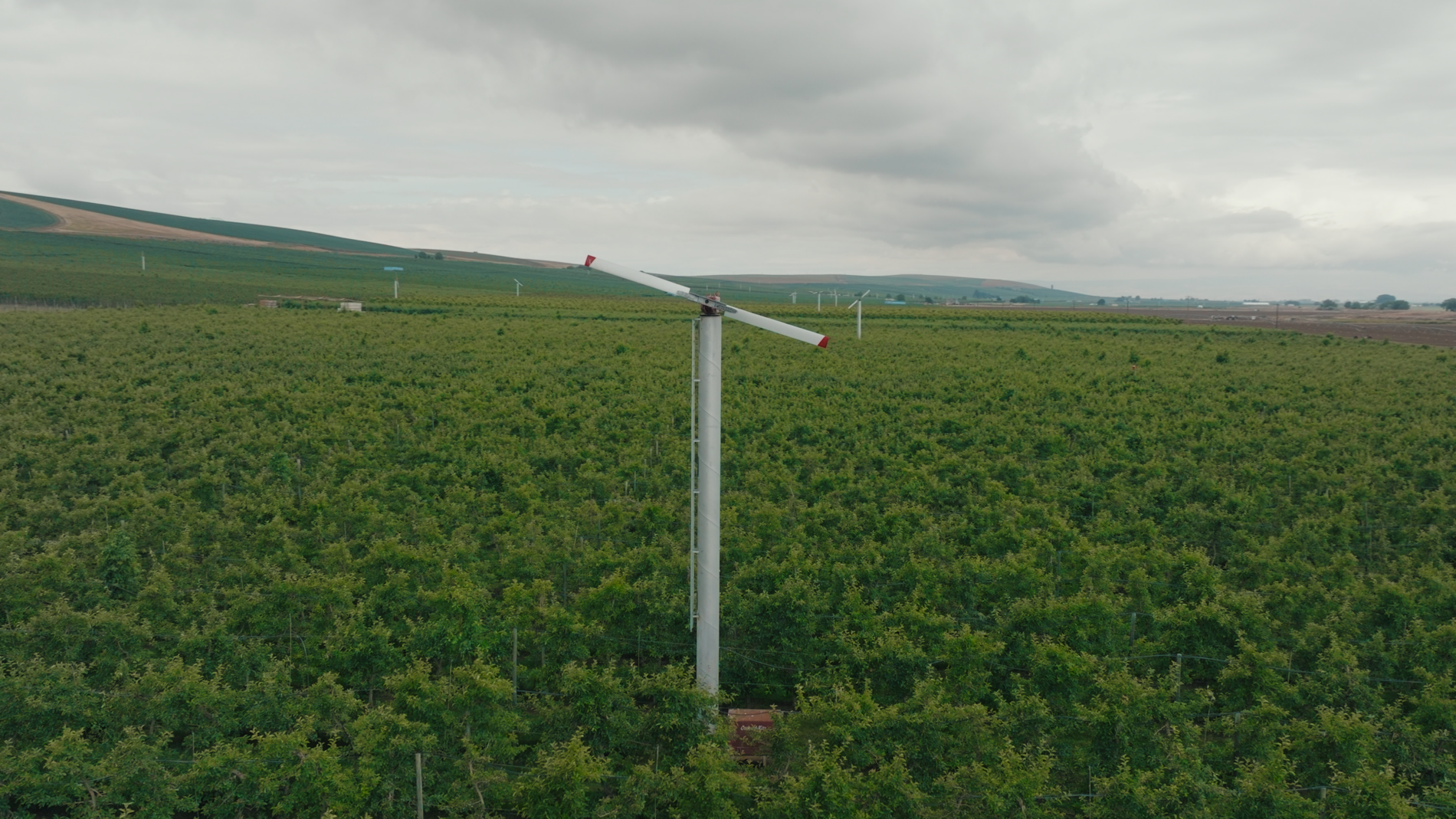
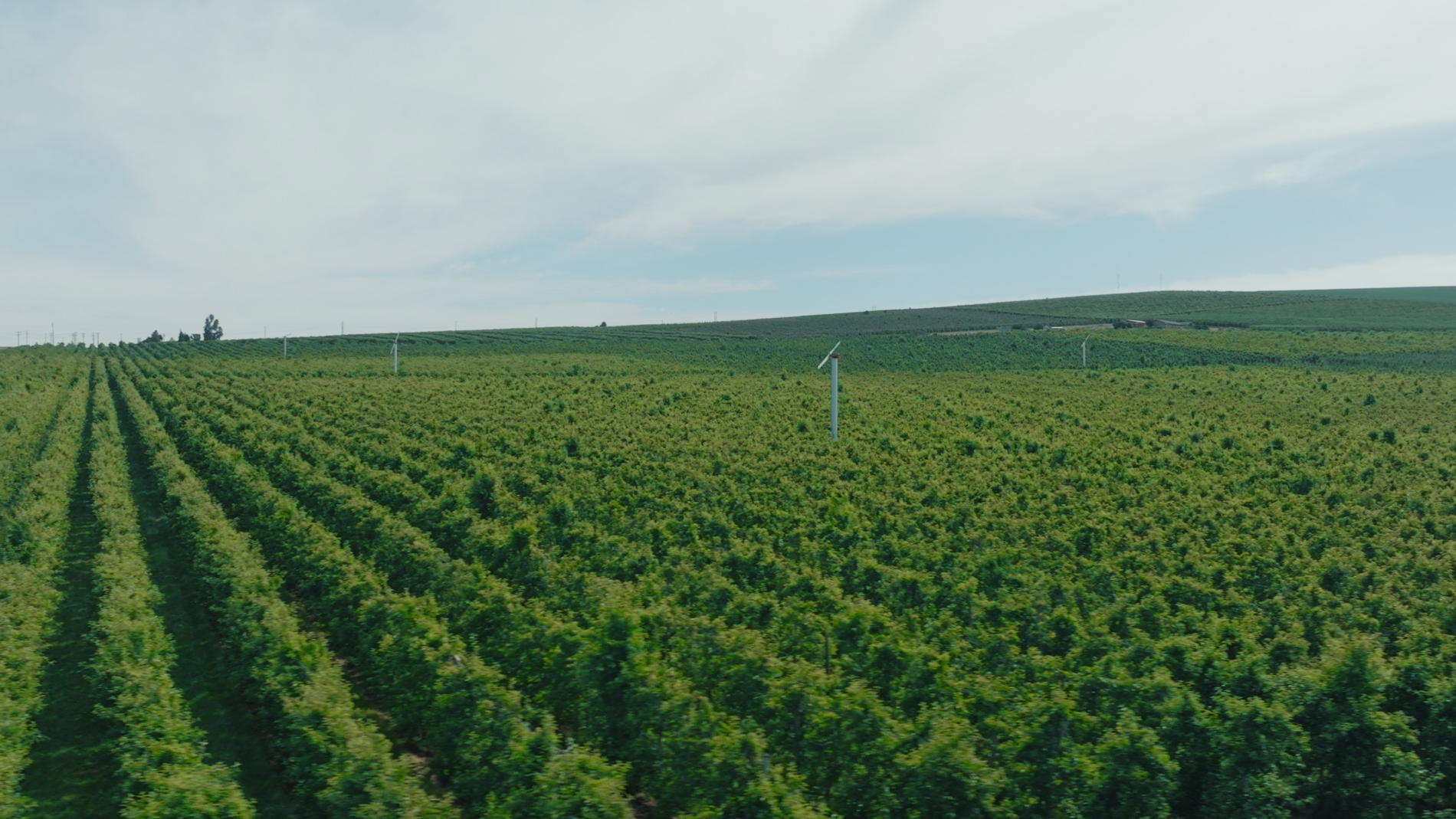
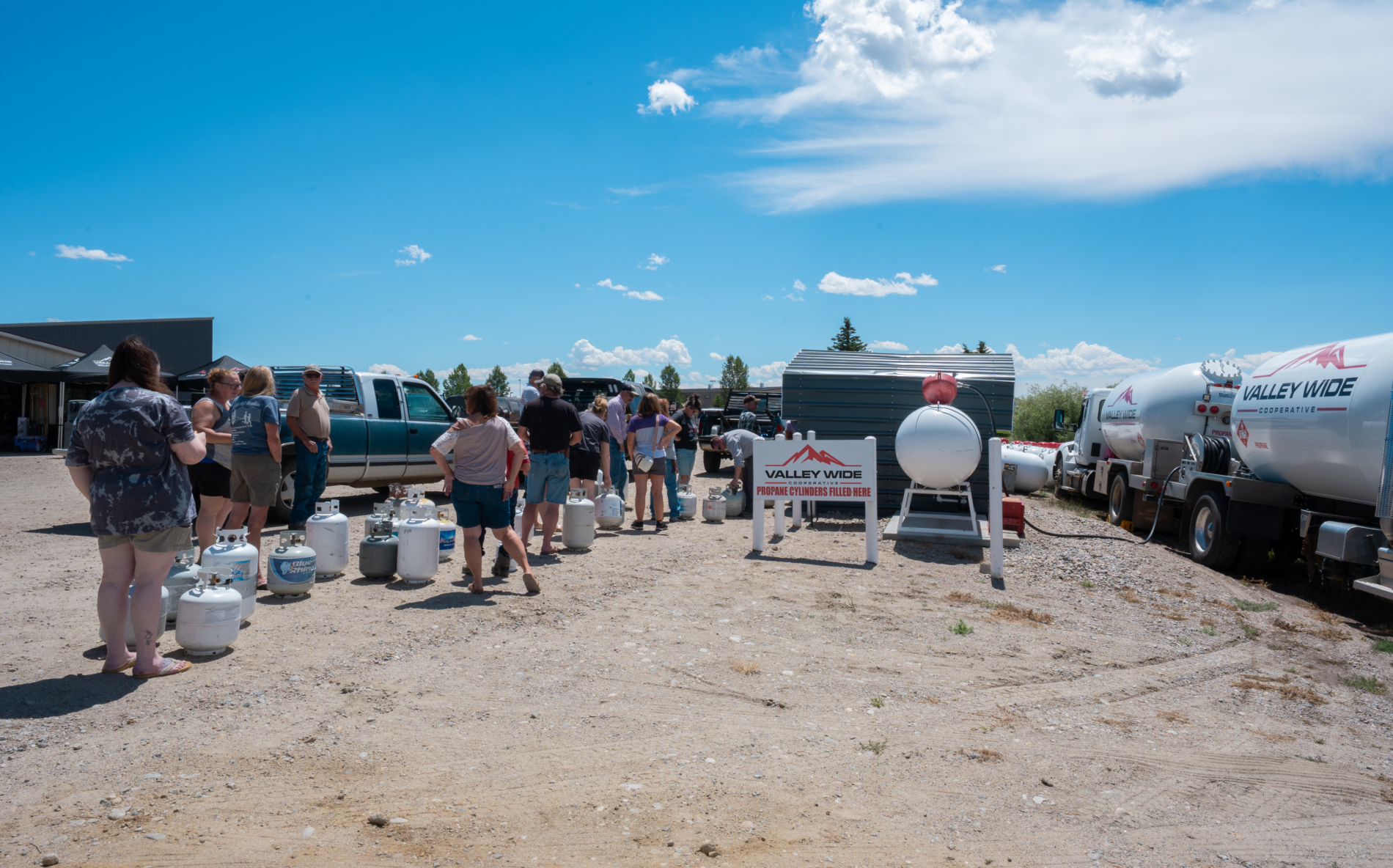
Valley Wide also supplies propane used to power wind machines that protect orchards from frost. During critical moments in the growing season, that reliability can make the difference between saving a crop and losing it.
On the row crop side, Valley Ag’s agronomy support is just as important. From helping select seed to providing crop protection and fertilizer options, the team works closely with Tyson to make sure every acre performs at its best.
More than anything, the relationship comes down to trust. The Allreds rely heavily on their agronomist, Kyle, who they describe as an extension of their own team. Whether it is troubleshooting a problem, exploring new approaches, or helping manage costs, that consistent support is a major part of their success.
As Tyson puts it, farming today is not just about what you know, but who you know. Having the right people around you makes all the difference.

Looking Ahead

For Royal Family Farming, the future is closely tied to the next generation. Every decision is made with the long term in mind, with the goal of keeping the family involved and the operation growing.

Their approach is not about standing still. It is about adapting, expanding, and finding new ways to connect their work to the community. Whether through new business ventures, stronger partnerships, or continued family involvement, the focus remains the same.

At its core, the story of Royal Family Farming is about people. It is about a family working together, a community they are proud to serve, and partnerships that help make it all possible.

STRATEGIC GROWTH

Buhl, Idaho

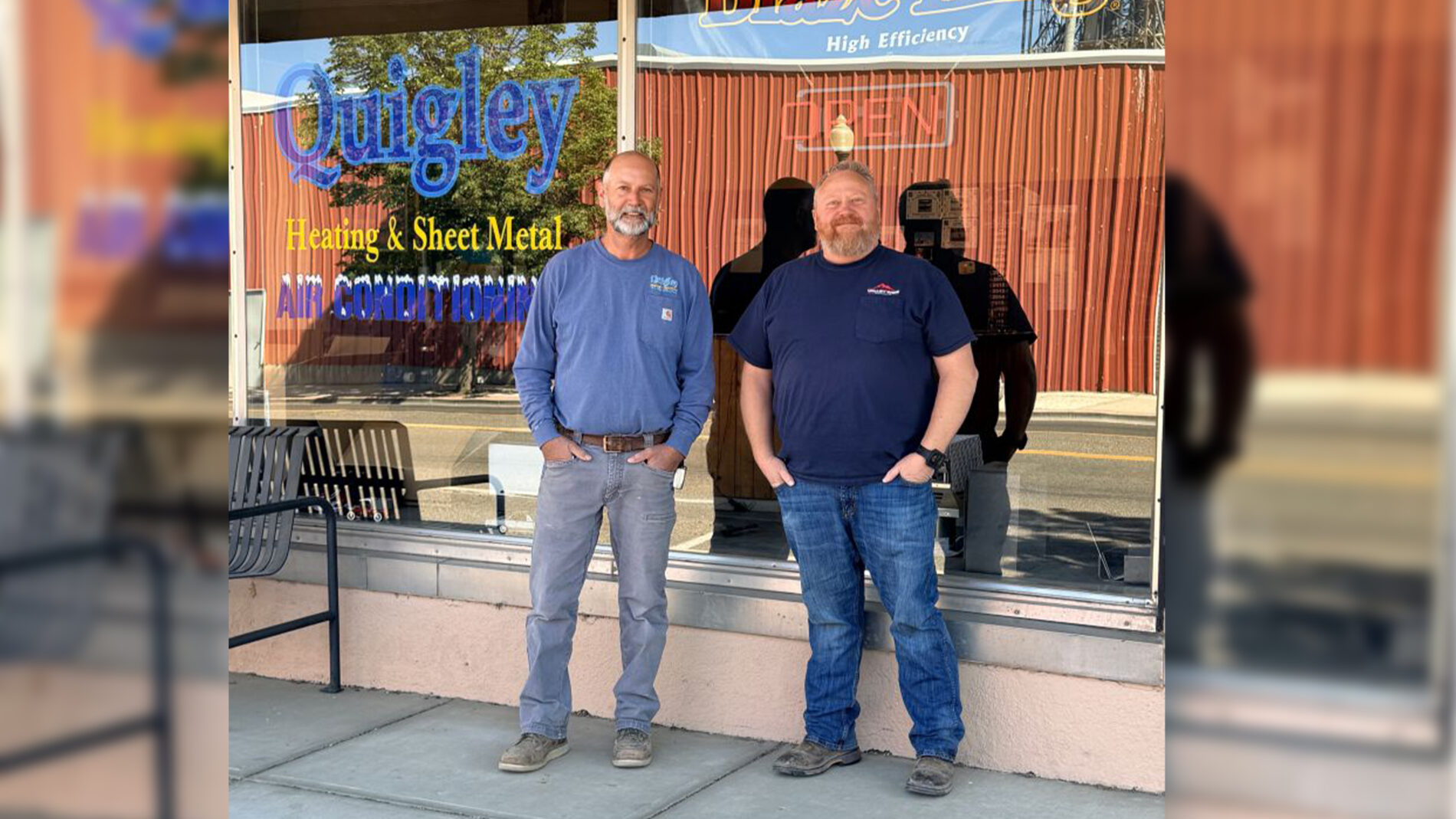
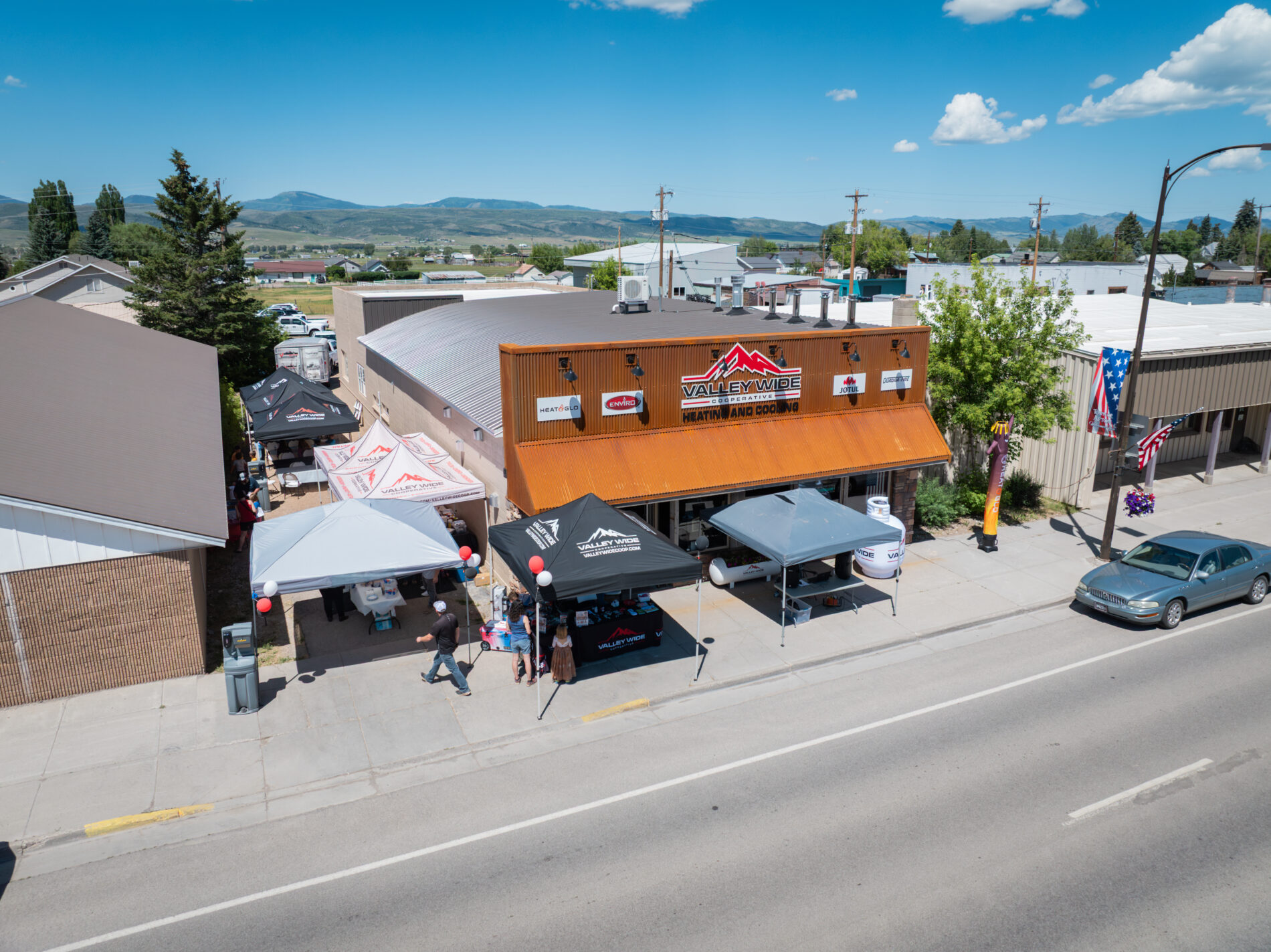
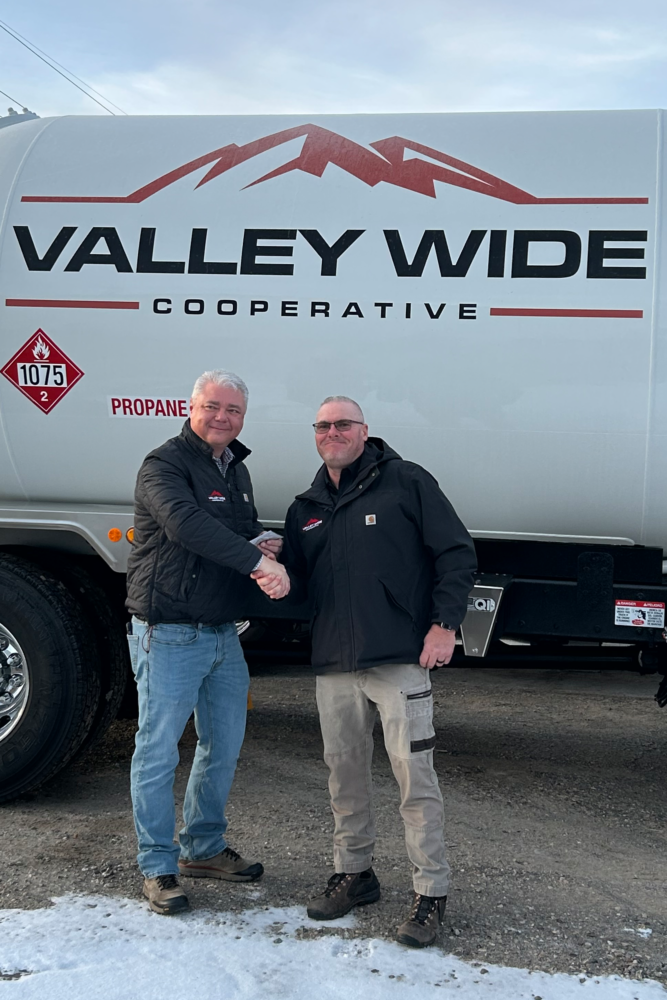
Valley Wide Cooperative has acquired Quigley Heating & Sheet Metal! By bringing our two long-standing local companies together, we are strengthening our ability to provide expanded services, enhanced resources, and continued local support.

Robin Quigley said, “I just wanted to get the word out to let all of our customers know that Quigley Heating & Sheet Metal has merged with another local Magic Valley company and is now a partner with Valley Wide Cooperative. We are looking forward to this merger with another local Magic Valley business. We are excited about the future of the merger with Valley Wide.”

STRATEGIC GROWTH

Buhl, Idaho

BUHL, ID

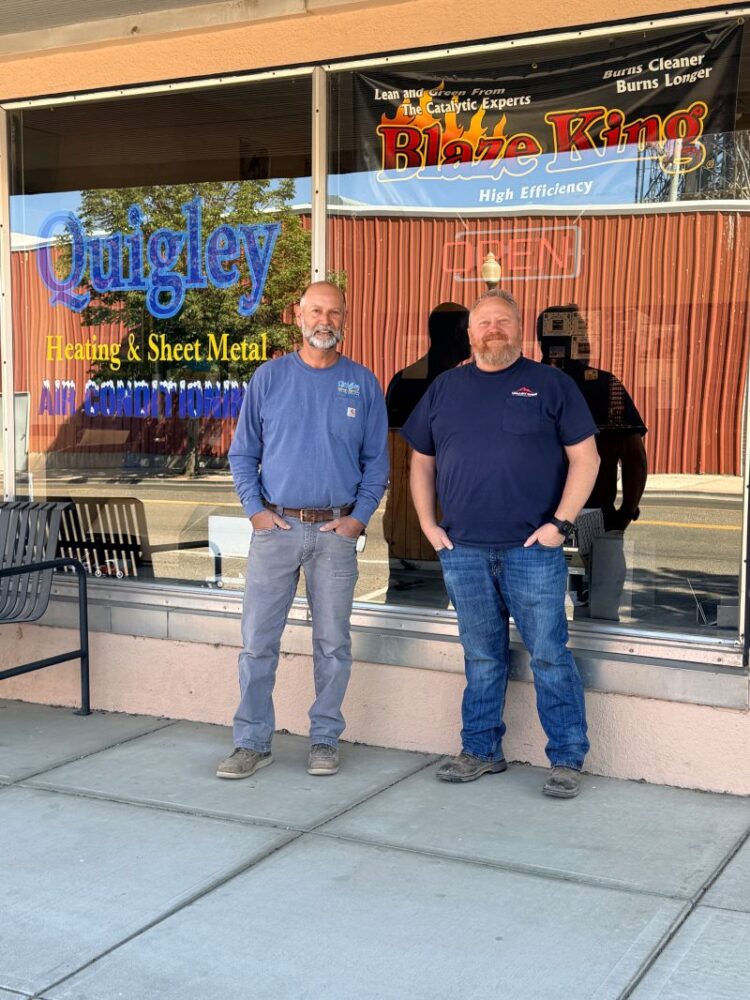
BIG NEWS! Valley Wide Cooperative has acquired Quigley Heating & Sheet Metal! By bringing our two long-standing local companies together, we are strengthening our ability to provide expanded services, enhanced resources, and continued local support.

Robin Quigley said, “I just wanted to get the word out to let all of our customers know that Quigley Heating & Sheet Metal has merged with another local Magic Valley company and is now a partner with Valley Wide Cooperative. We are looking forward to this merger with another local Magic Valley business. We are excited about the future of the merger with Valley Wide.”

COMMUNITY INVESTMENT

Whiteson, Oregon

 
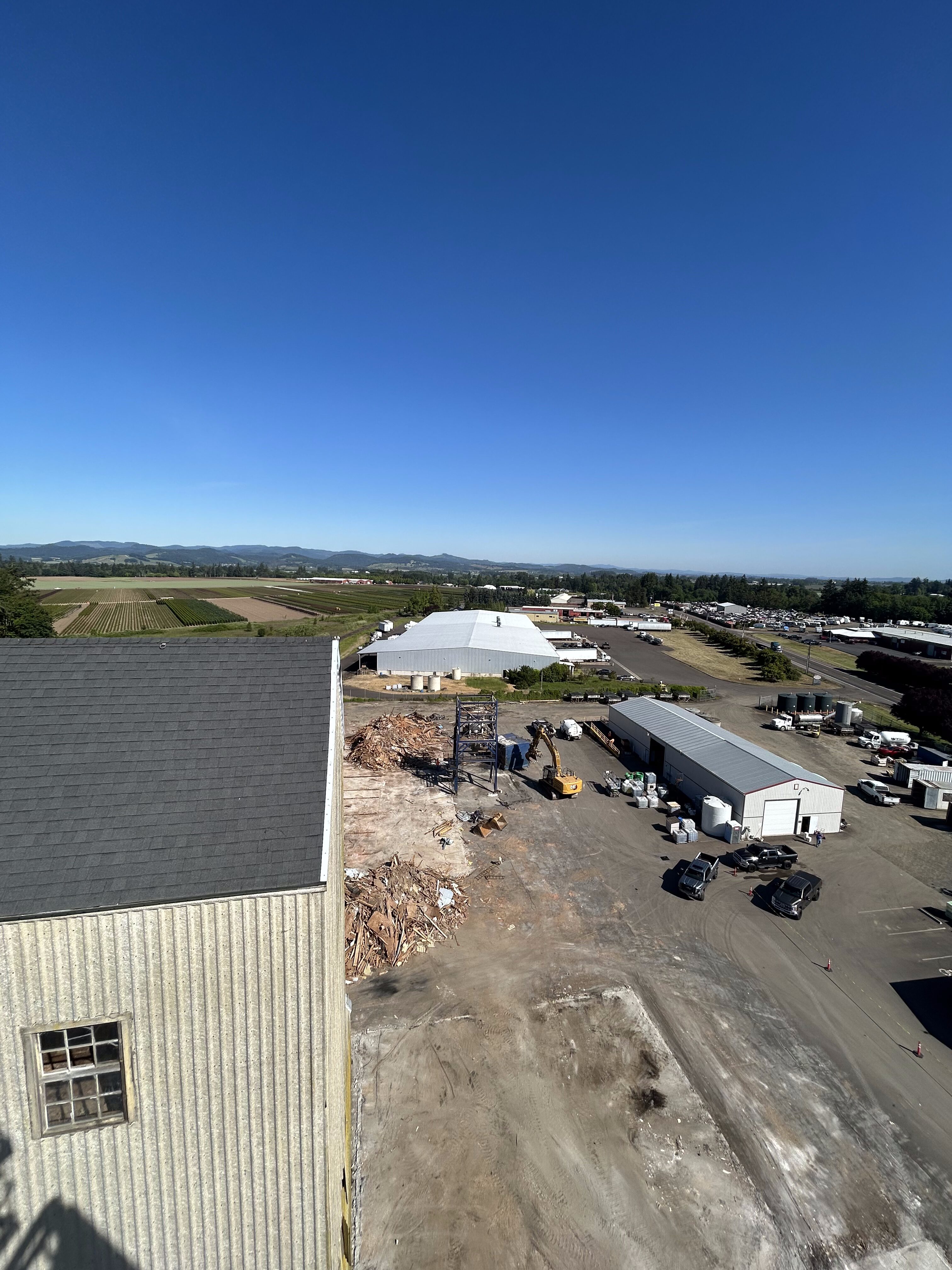
Construction progress continues at the Whiteson facility, with demolition now 100% complete and aggregate piers installed to support the new foundation. Excavation work is underway, and the foundation pour has begun. Once completed, the upgraded barn will provide a more user-friendly loading experience, improve operational efficiency, expand fertilizer capabilities and supply, and offer growers faster service with enhanced product options.

COMMUNITY INVESTMENT

Whiteson, Oregon

WHITESON, OR

 
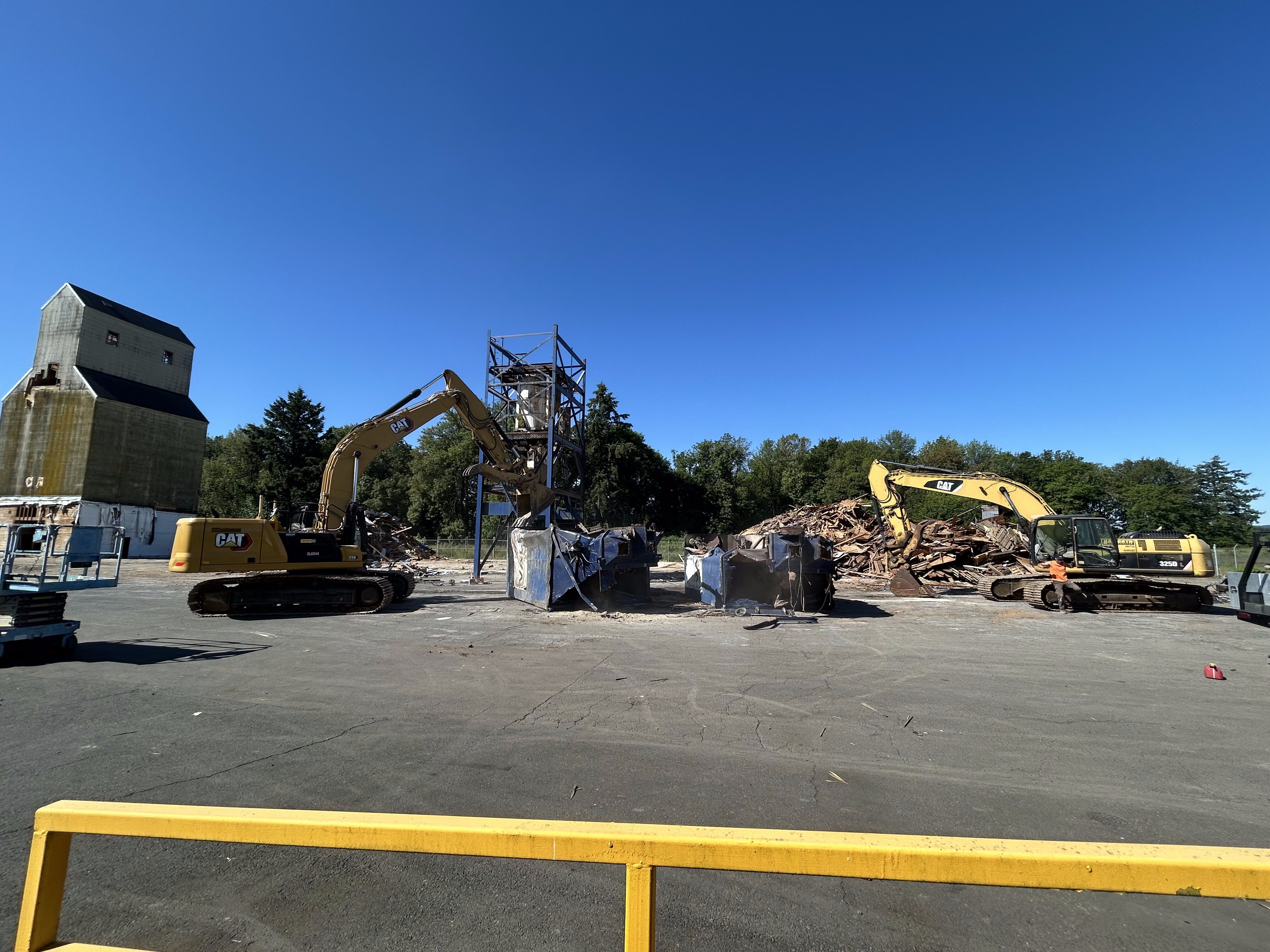
Construction progress continues at the Whiteson facility, with demolition now 100% complete and aggregate piers installed to support the new foundation. Excavation work is underway, and the foundation pour has begun. Once completed, the upgraded barn will provide a more user-friendly loading experience, improve operational efficiency, expand fertilizer capabilities and supply, and offer growers faster service with enhanced product options.

COMMUNITY INVESTMENT

Davenport, Washington

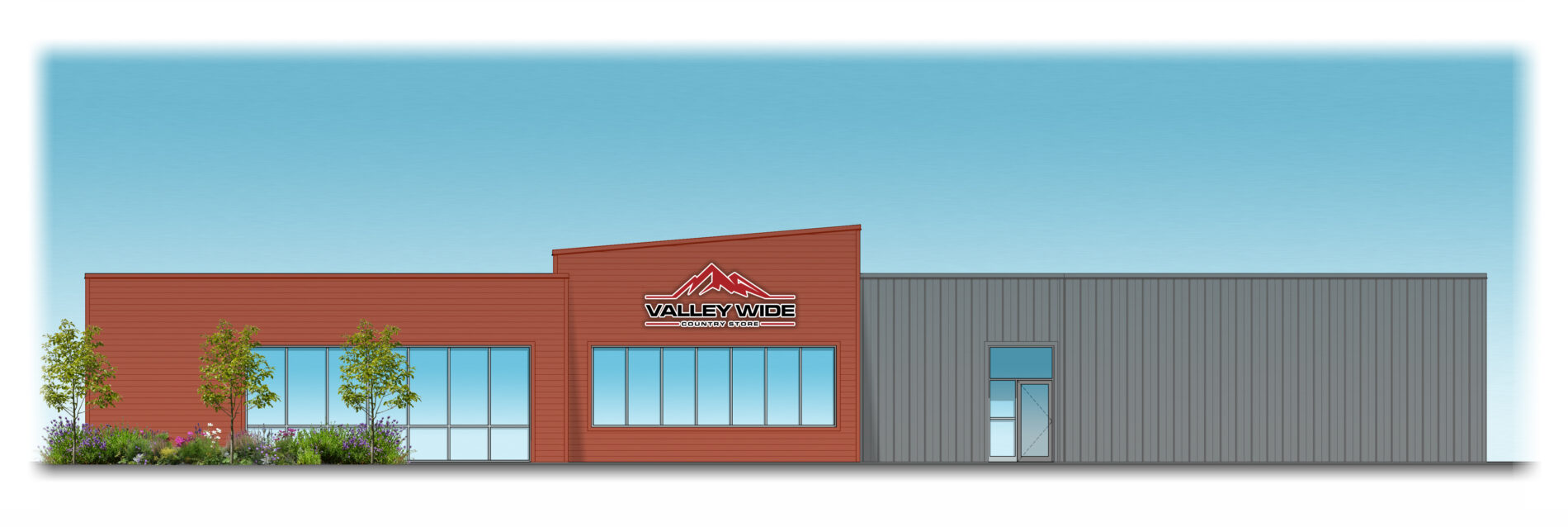
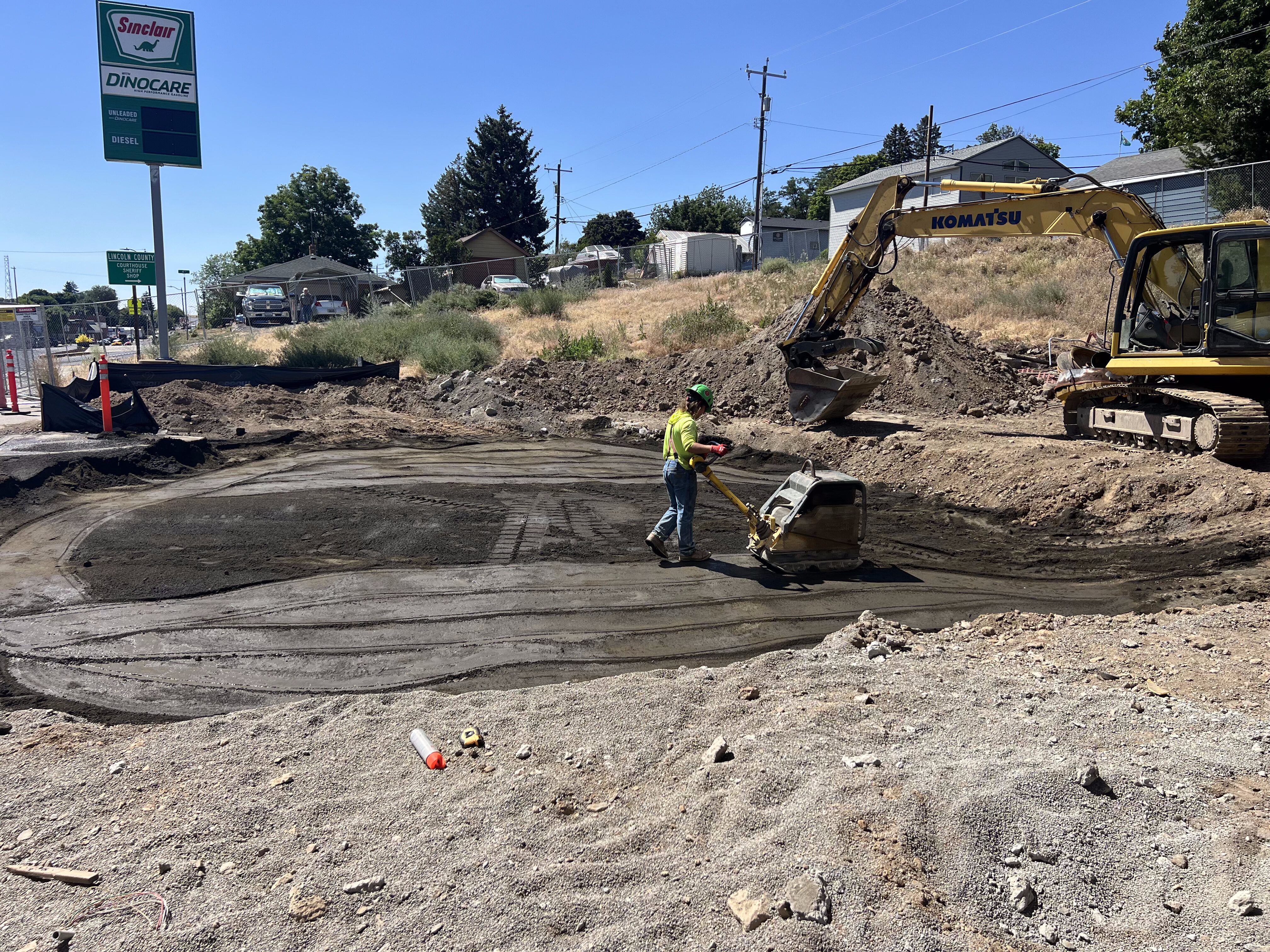
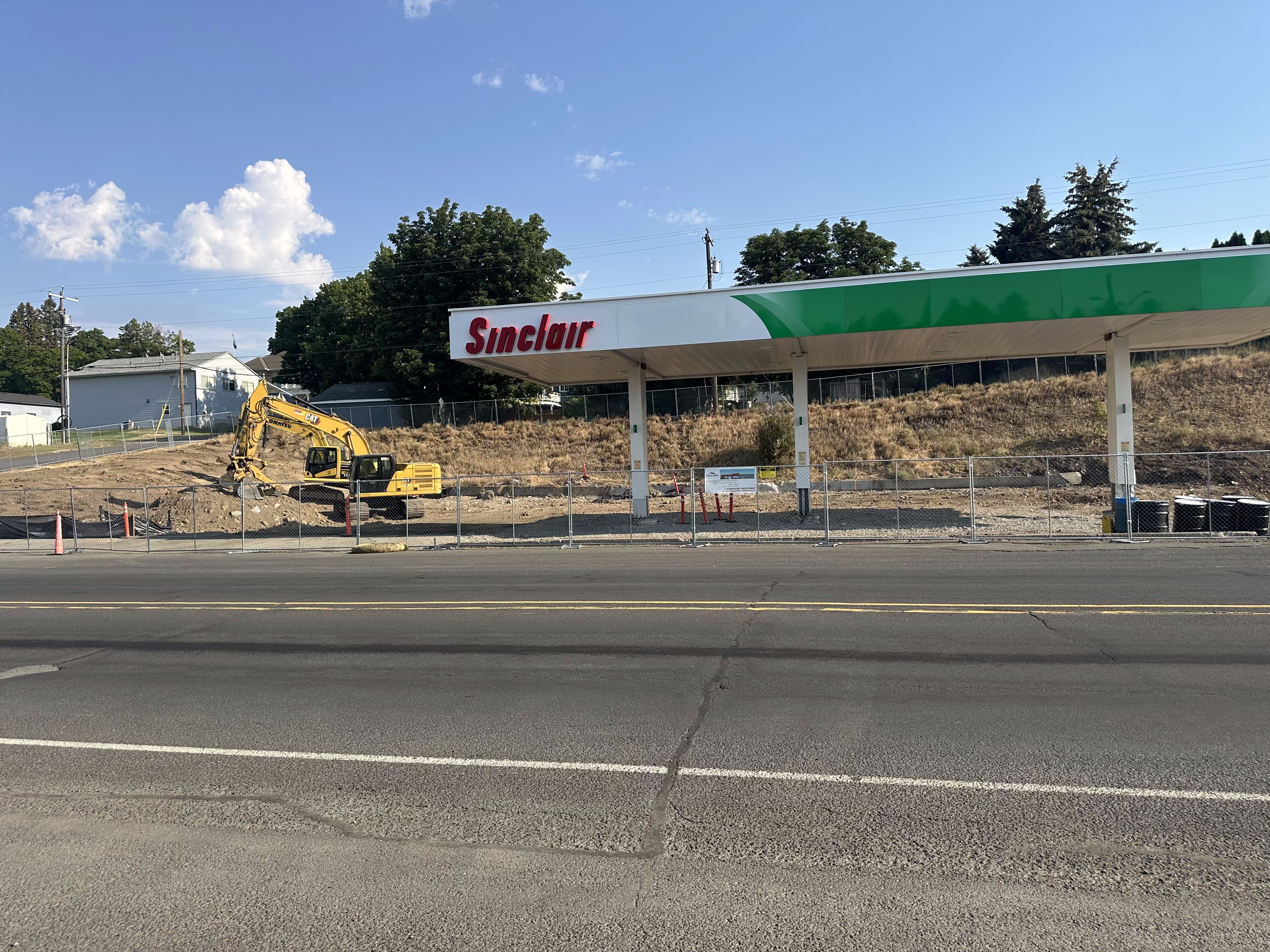
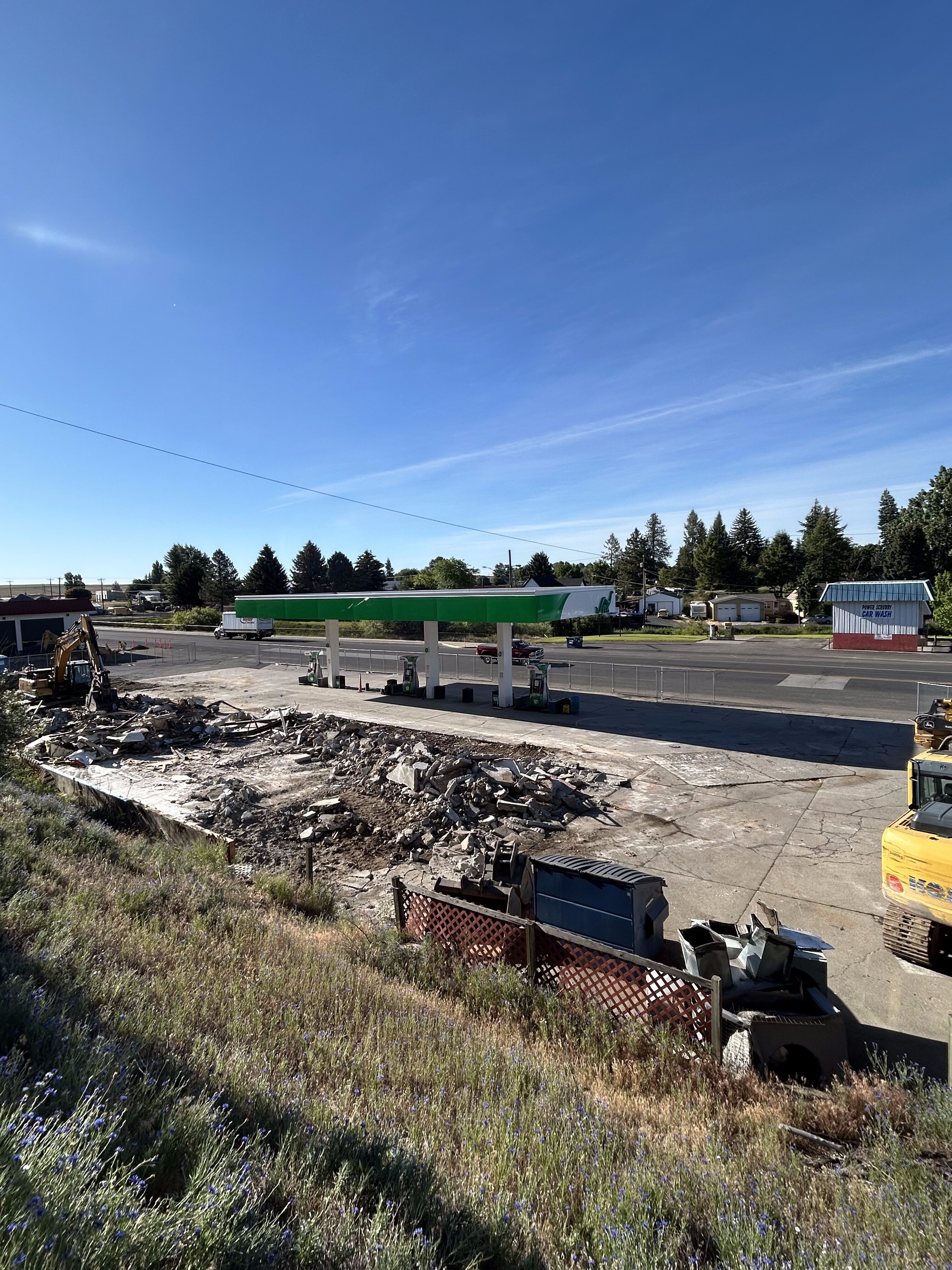
The Davenport project is moving forward with demolition fully complete, removal of the old underground fuel tanks finished, and foundation excavation now underway. A new four-compartment fuel tank is scheduled for delivery and installation on July 21. The completed project will modernize the store’s appearance, improve traffic and service flow, and provide the local community with a cleaner, more convenient destination for fuel and everyday essentials.

COMMUNITY INVESTMENT

Davenport, Washington

DAVENPORT, WA

The Davenport project is moving forward with demolition fully complete, removal of the old underground fuel tanks finished, and foundation excavation now underway. A new four-compartment fuel tank is scheduled for delivery and installation on July 21. The completed project will modernize the store’s appearance, improve traffic and service flow, and provide the local community with a cleaner, more convenient destination for fuel and everyday essentials.

GIVING BACK

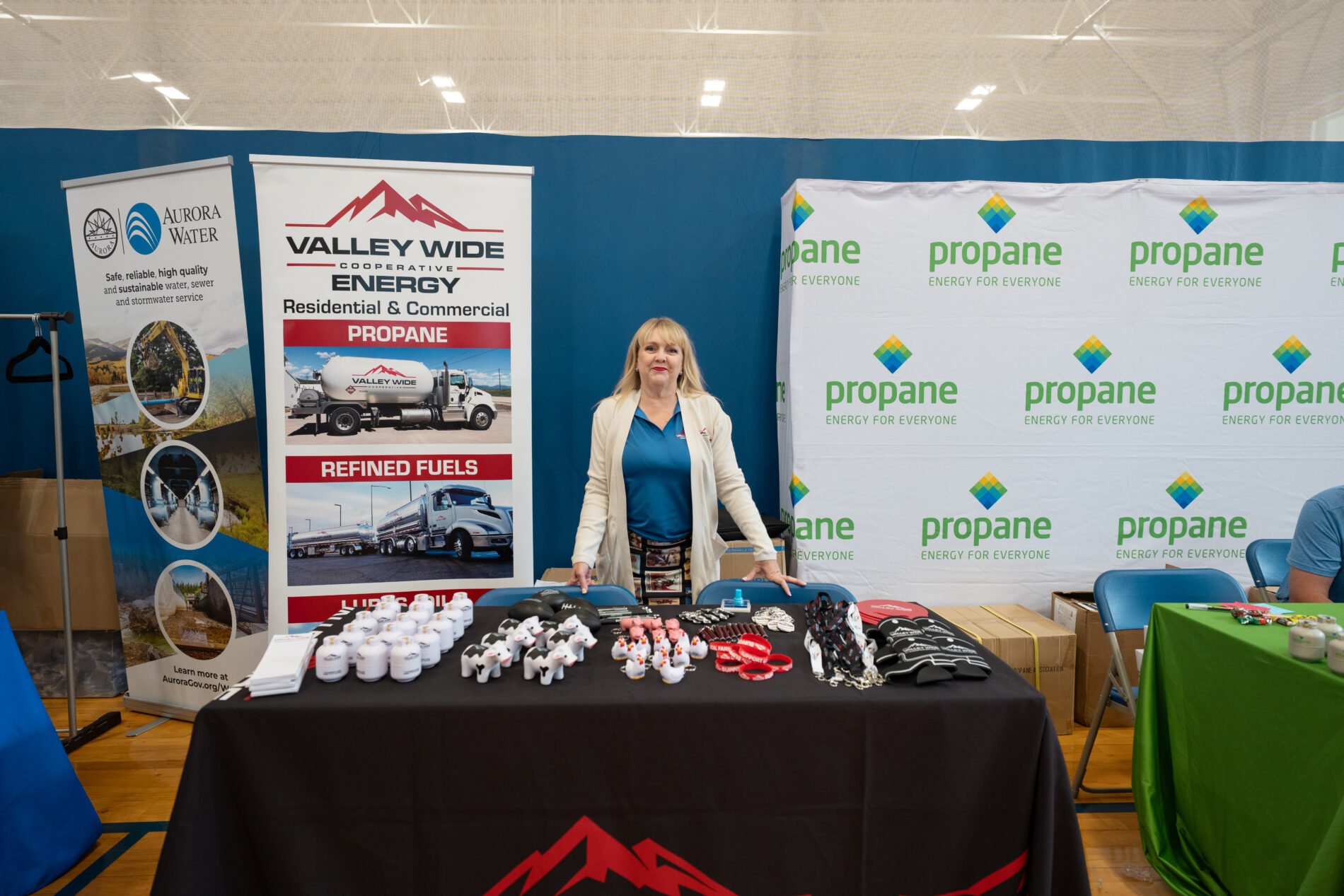
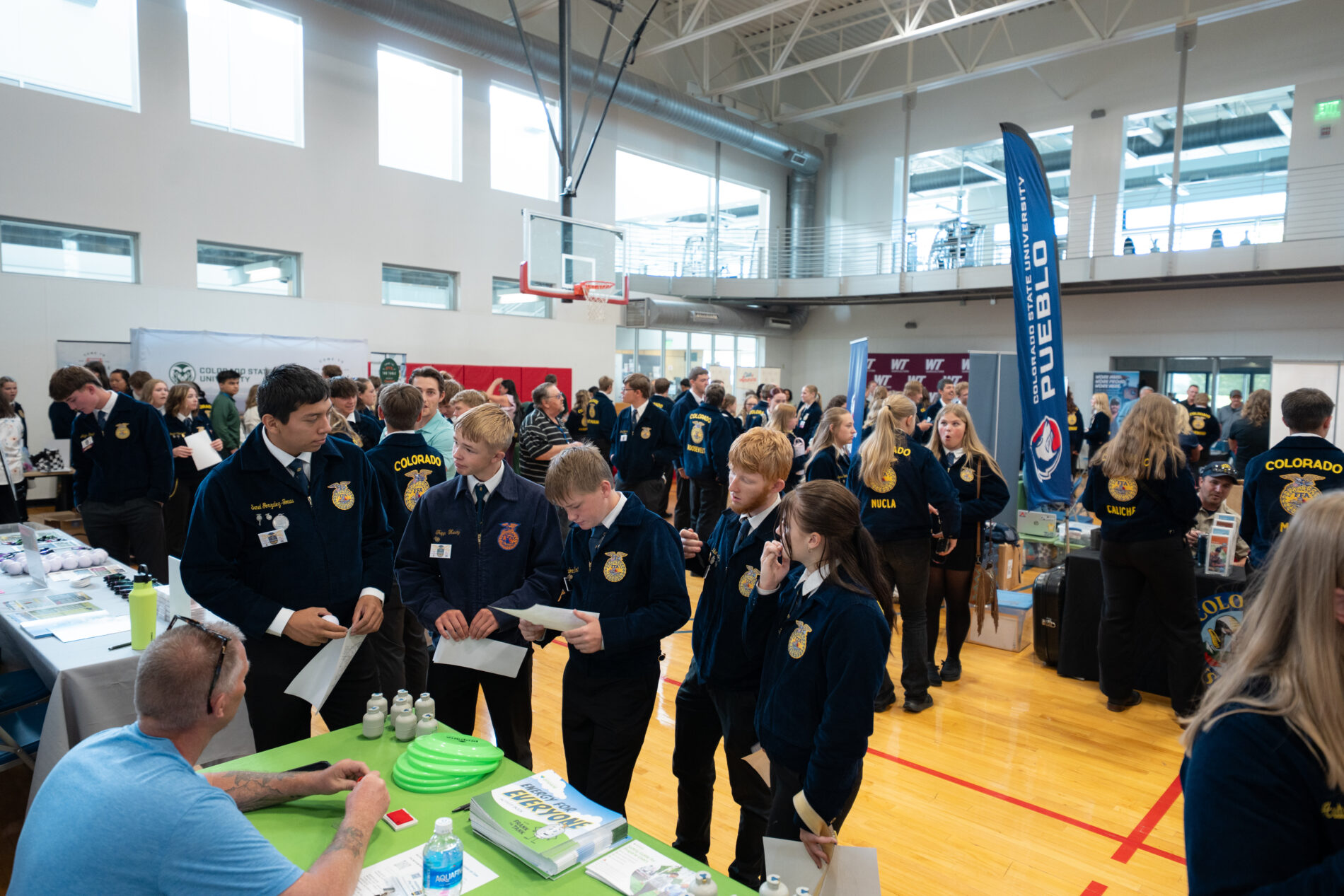
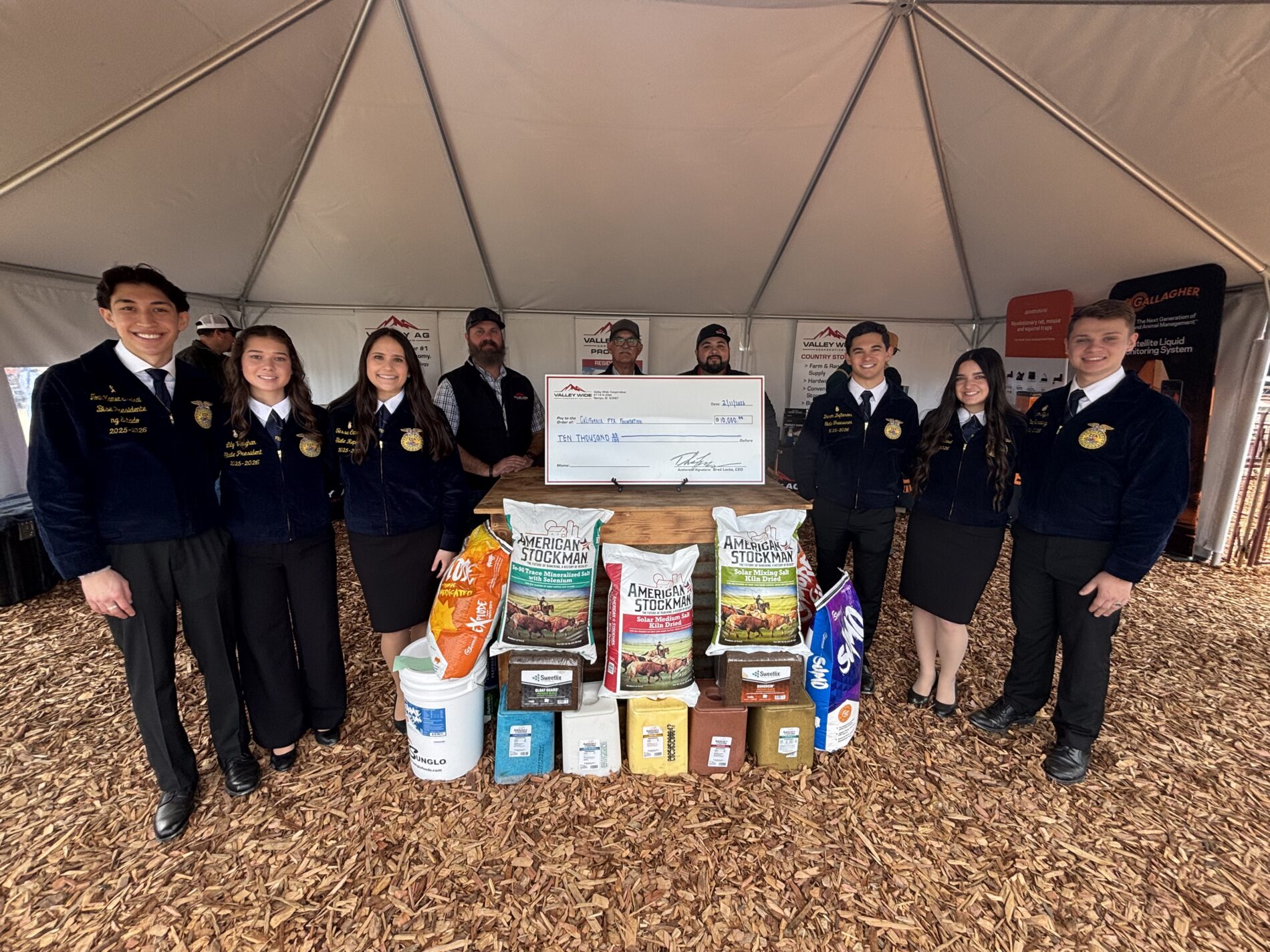
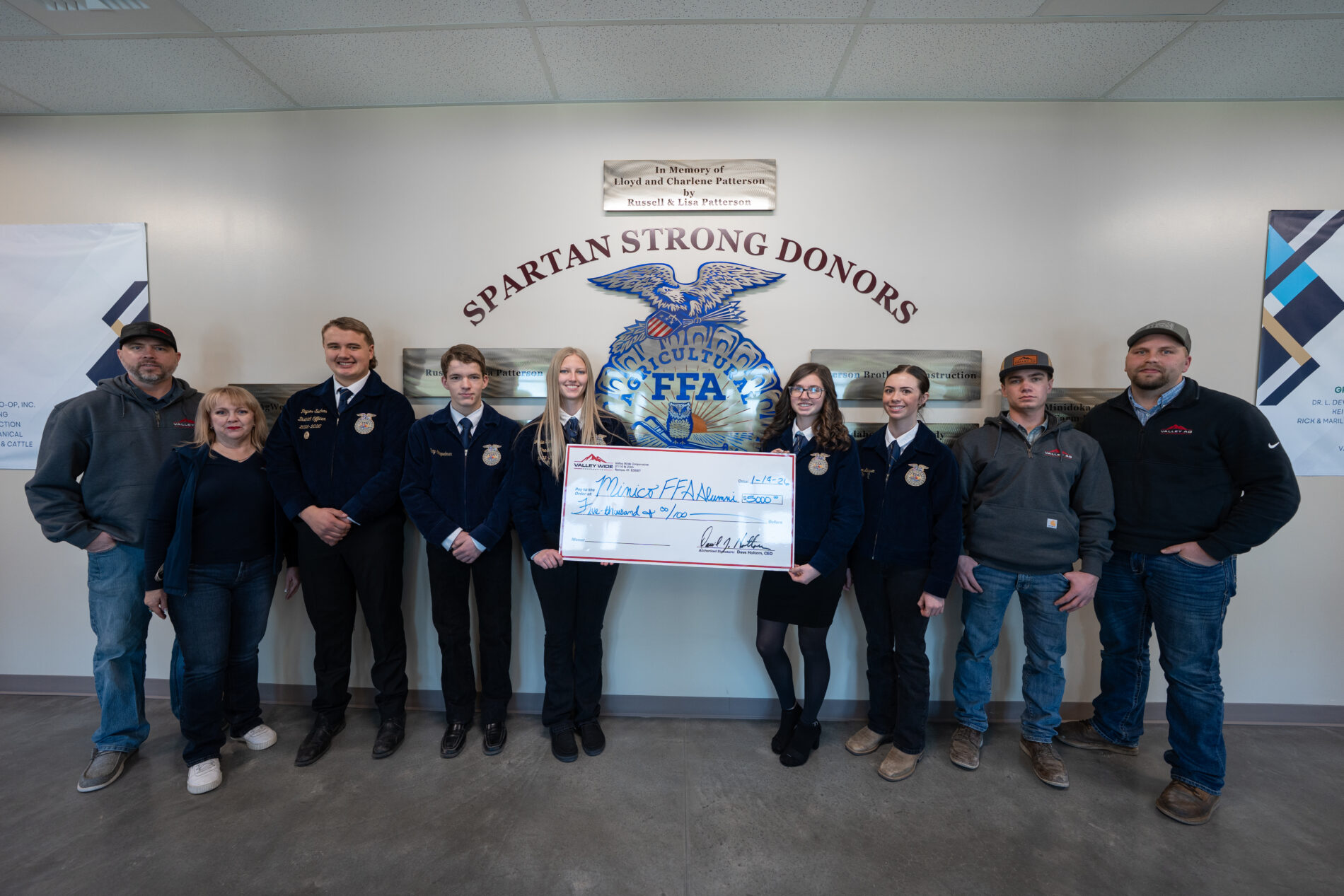
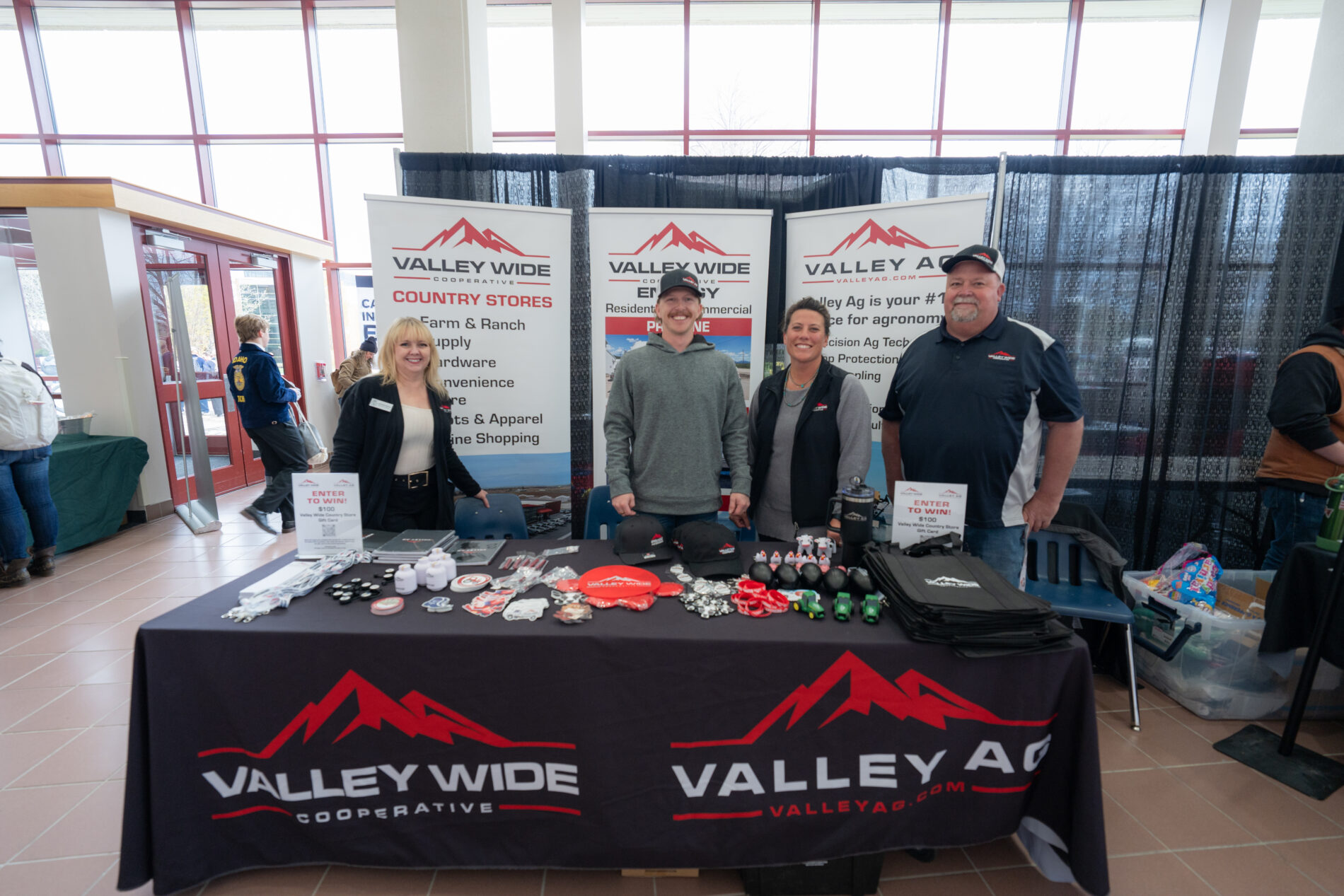
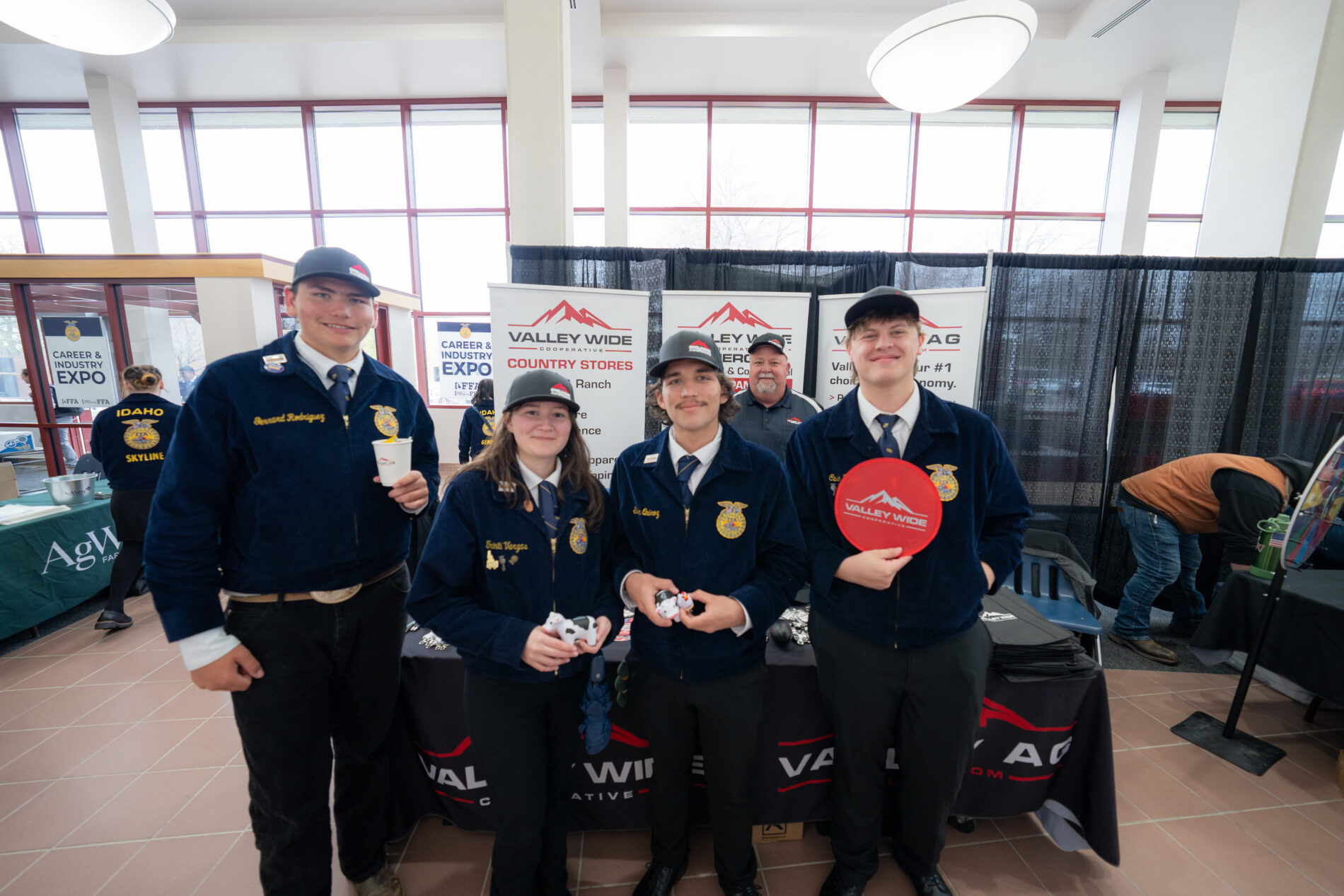
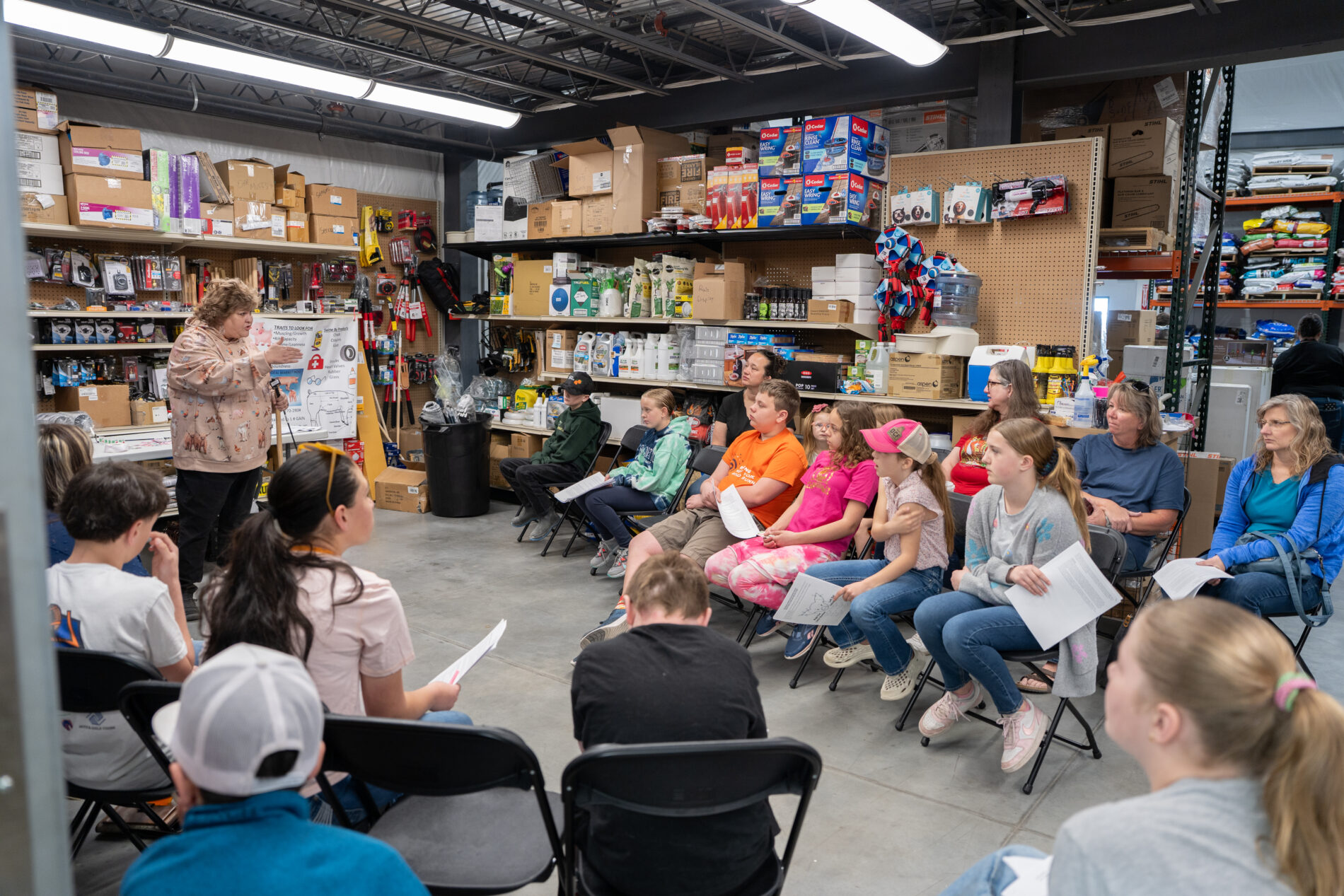
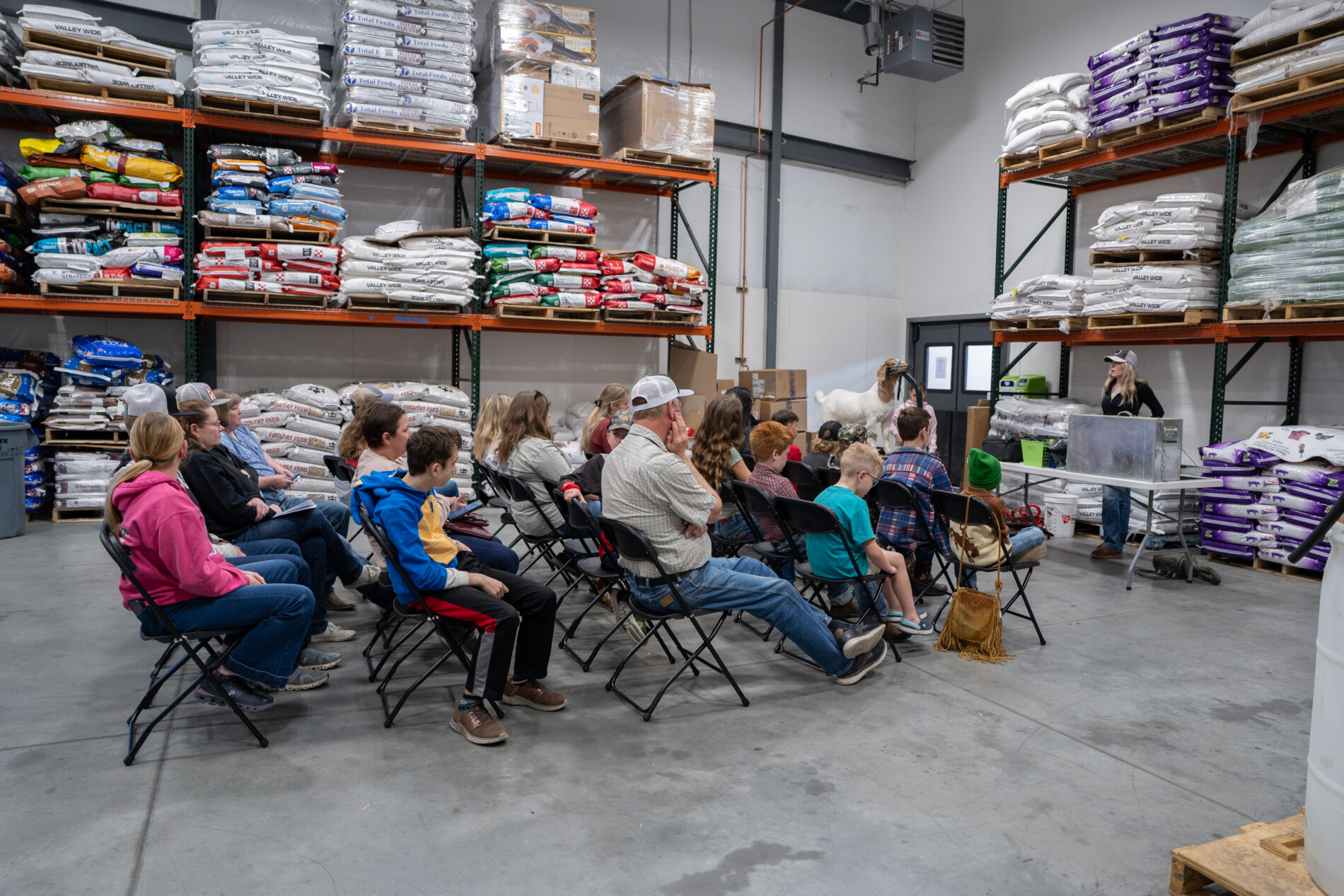
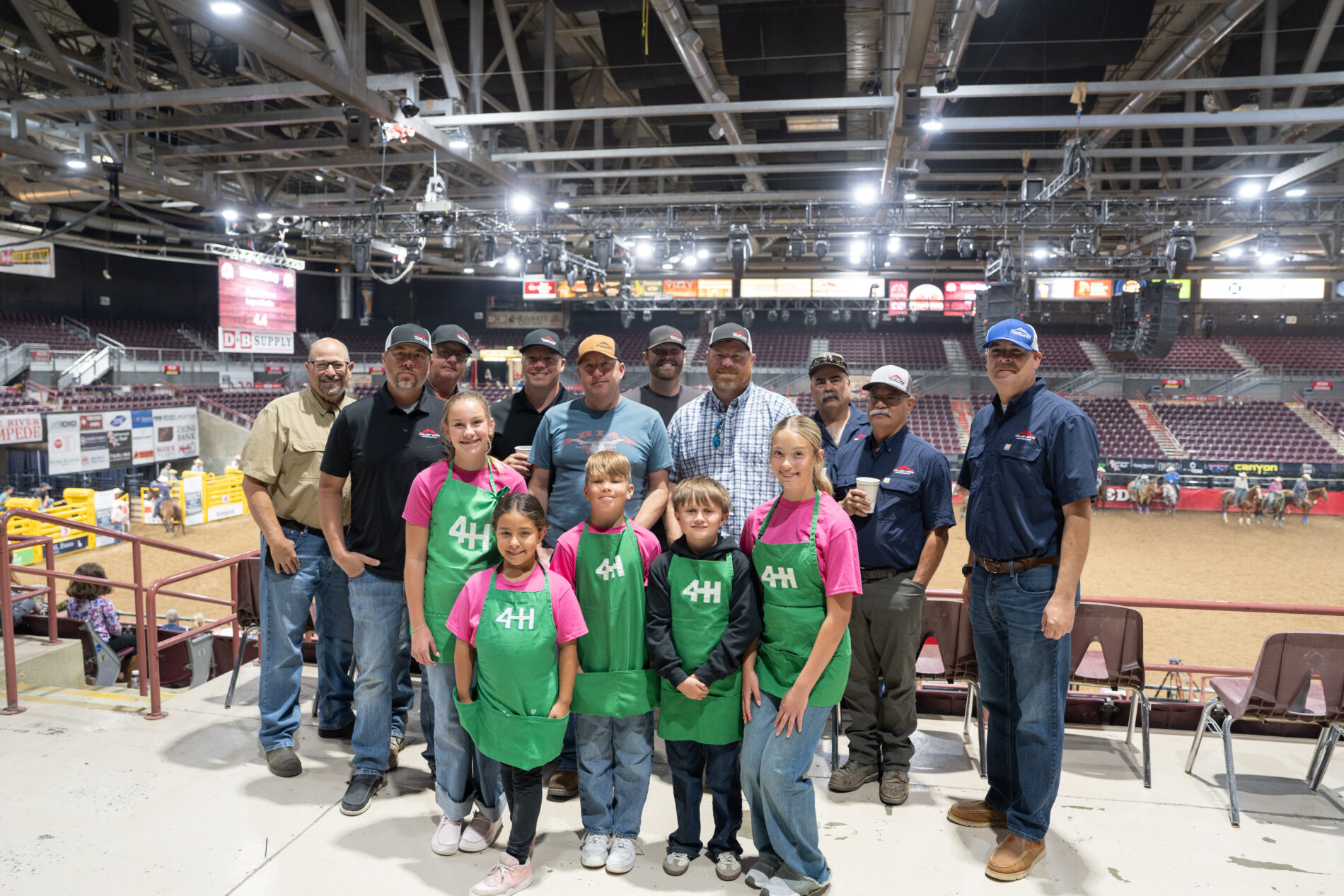
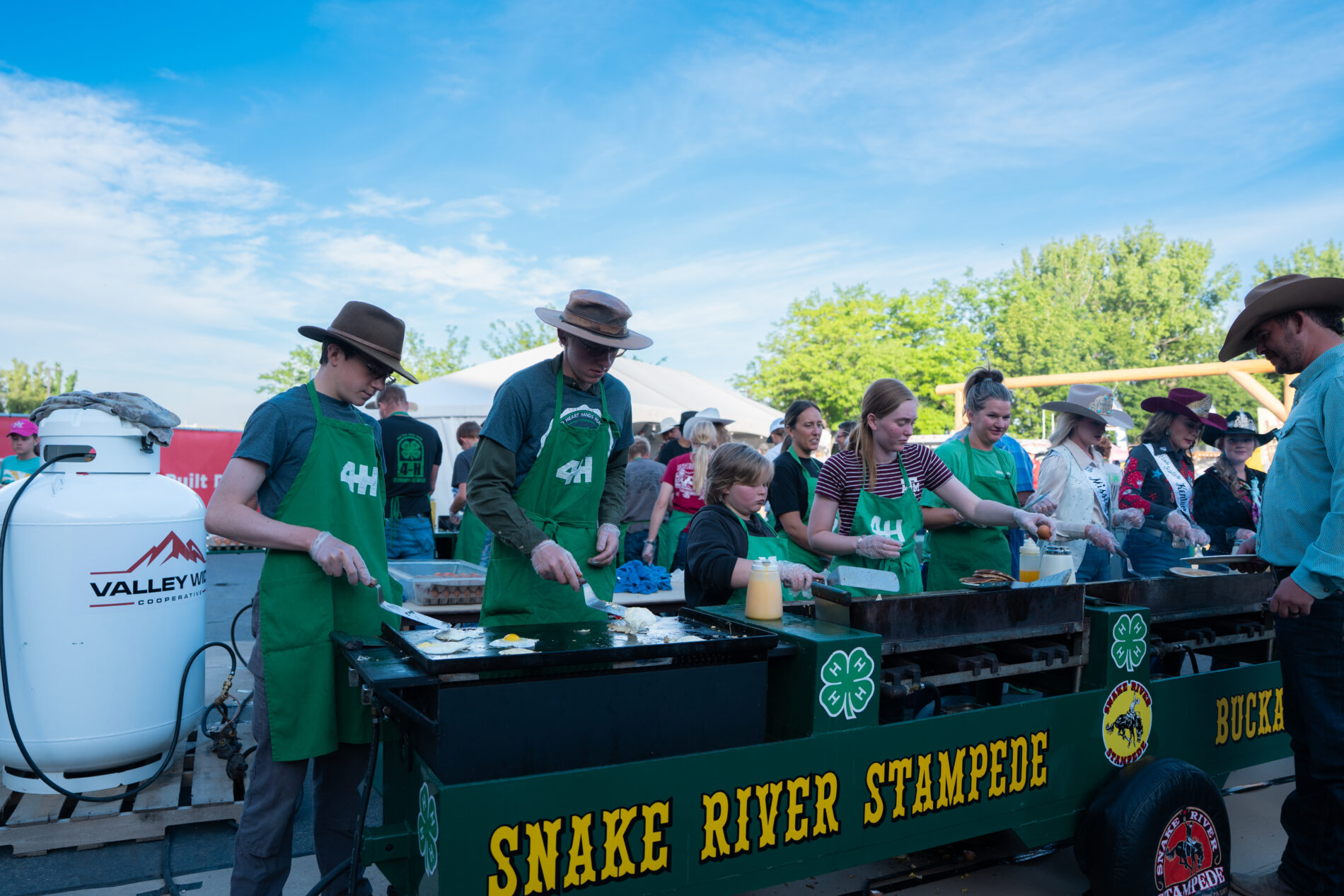
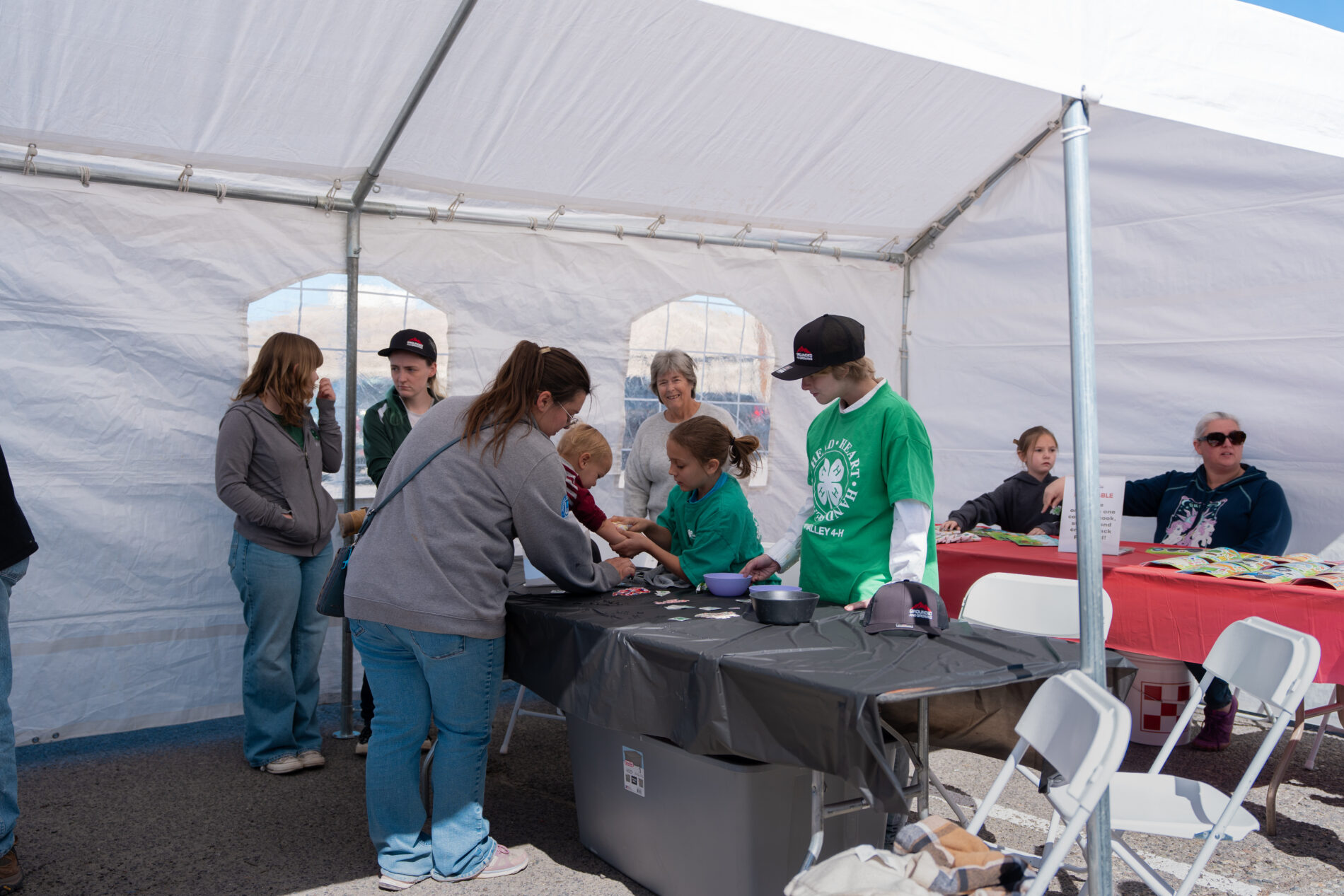
Valley Wide continues to invest in the future of agriculture by supporting youth and community programs across its footprint. From sponsoring state FFA conventions to awarding fifteen $2,000 scholarships each year, the cooperative is committed to helping the next generation succeed. That support also shows up locally through involvement in rodeos and county fairs, along with 4-H and FFA education days hosted at country stores. During FFA Week, Valley Wide stores also participate in a roundup campaign, giving customers a simple way to contribute and support agricultural education in their own communities.

Drought Management with Moisture Probes

How Valley Ag Is Finding Solutions in a Dry Year Across the West

In many areas of the West, the 2026 growing season has started with a familiar concern, lower-than-average snowpack and reduced water reserves. With less runoff expected to recharge reservoirs and irrigation systems, growers are facing tighter water allocations and increased pressure to make every irrigation decision count. At Valley Ag, we’re working alongside our customers to meet this challenge head-on by leveraging soil moisture probe technology.

The Water Challenge

Snowpack is the backbone of agriculture in the West. When winter snowfall falls short, it directly impacts reservoir levels, groundwater recharge, and ultimately how much water is available during peak irrigation months. This year, many producers are already anticipating stricter water usage limits and higher competition for available supplies. In this environment, efficiency is no longer optional, it’s essential.

What Are Moisture Probes?

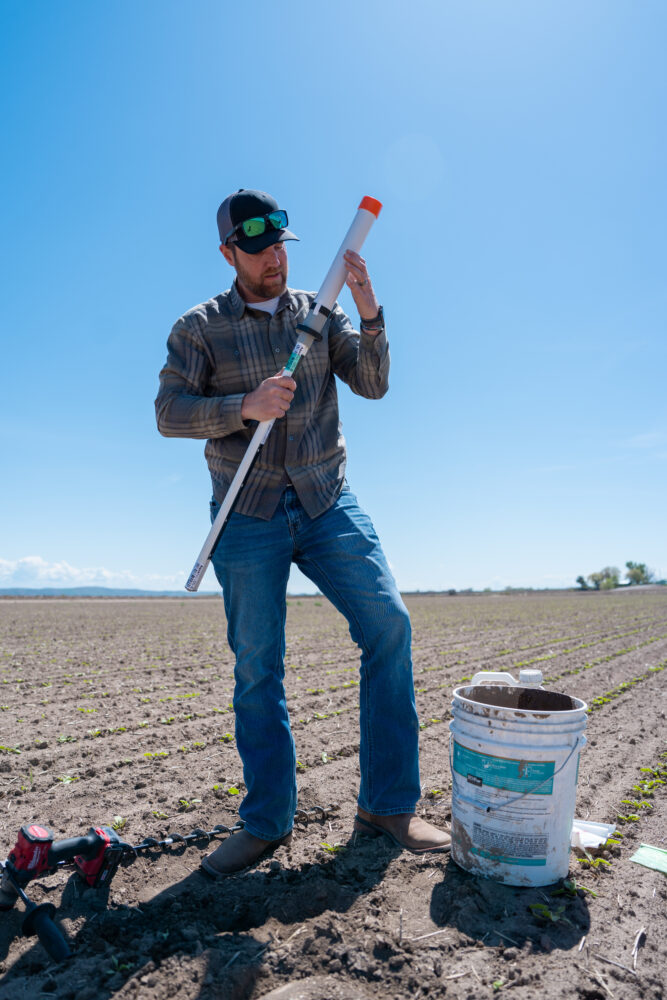
Soil moisture probes are precision agriculture tools that measure the amount of water present at different depths in the soil profile. Installed in the root zone, these probes provide real-time data that helps growers understand:

How much water is currently available to crops
How deep water is penetrating after irrigation
When plants actually need water, not just when it “seems time”

Instead of relying on guesswork or fixed irrigation schedules, growers can make data-driven decisions that optimize both crop health and water use.”

How Valley Ag Is Using Moisture Data

At Valley Ag, we are actively promoting and supporting the use of moisture probes as part of a smarter irrigation strategy. Our goal is simple: help growers apply the right amount of water at the right time no more, no less.

Here’s how we’re putting this into practice:

  • Maximizing Efficiency: By tracking how water moves through the soil, growers can adjust run times to avoid deep percolation losses.
  • Improving Timing: Data reveals when crops are approaching stress, allowing growers to irrigate proactively rather than reactively.
  • Optimizing Irrigation: Probes show when soil moisture levels are already sufficient, preventing unnecessary irrigation and saving valuable water.
  • Supporting Long-Term Planning: Seasonal data helps refine irrigation strategies year after year, especially in dry cycles like this one.

What Are Moisture Probes?

Soil moisture probes are precision agriculture tools that measure the amount of water present at different depths in the soil profile. Installed in the root zone, these probes provide real-time data that helps growers understand:

How much water is currently available to crops
How deep water is penetrating after irrigation
When plants actually need water, not just when it “seems time”

Instead of relying on guesswork or fixed irrigation schedules, growers can make data-driven decisions that optimize both crop health and water use.”

How Valley Ag Is Using Moisture Data

At Valley Ag, we are actively promoting and supporting the use of moisture probes as part of a smarter irrigation strategy. Our goal is simple: help growers apply the right amount of water at the right time no more, no less.

Here’s how we’re putting this into practice:

Optimizing Irrigation: Probes show when soil moisture levels are already sufficient, preventing unnecessary irrigation and saving valuable water.
Improving Timing: Data reveals when crops are approaching stress, allowing growers to irrigate proactively rather than reactively.
Maximizing Efficiency: By tracking how water moves through the soil, growers can adjust run times to avoid deep percolation losses.
Supporting Long-Term Planning: Seasonal data helps refine irrigation strategies year after year, especially in dry cycles like this one.

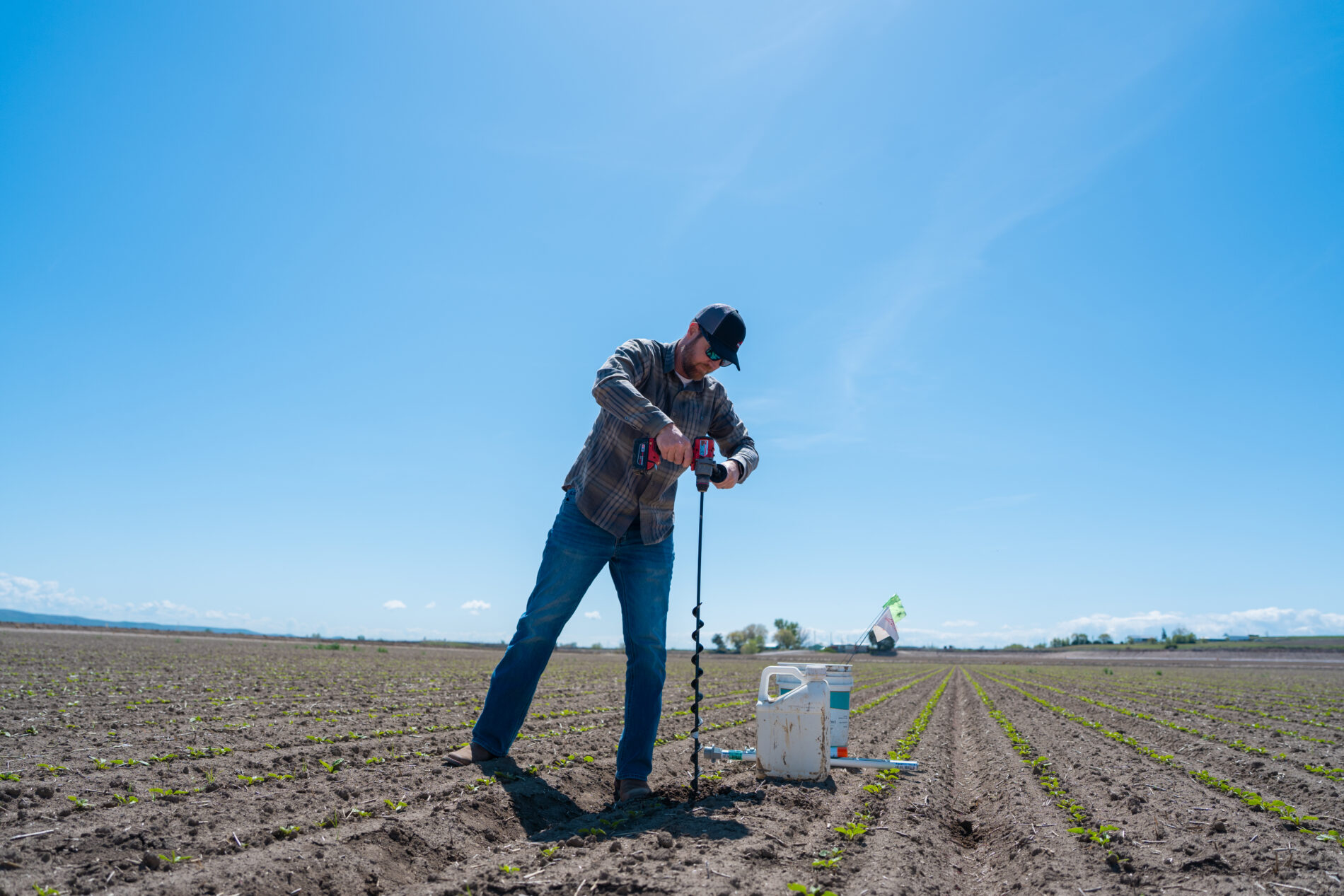
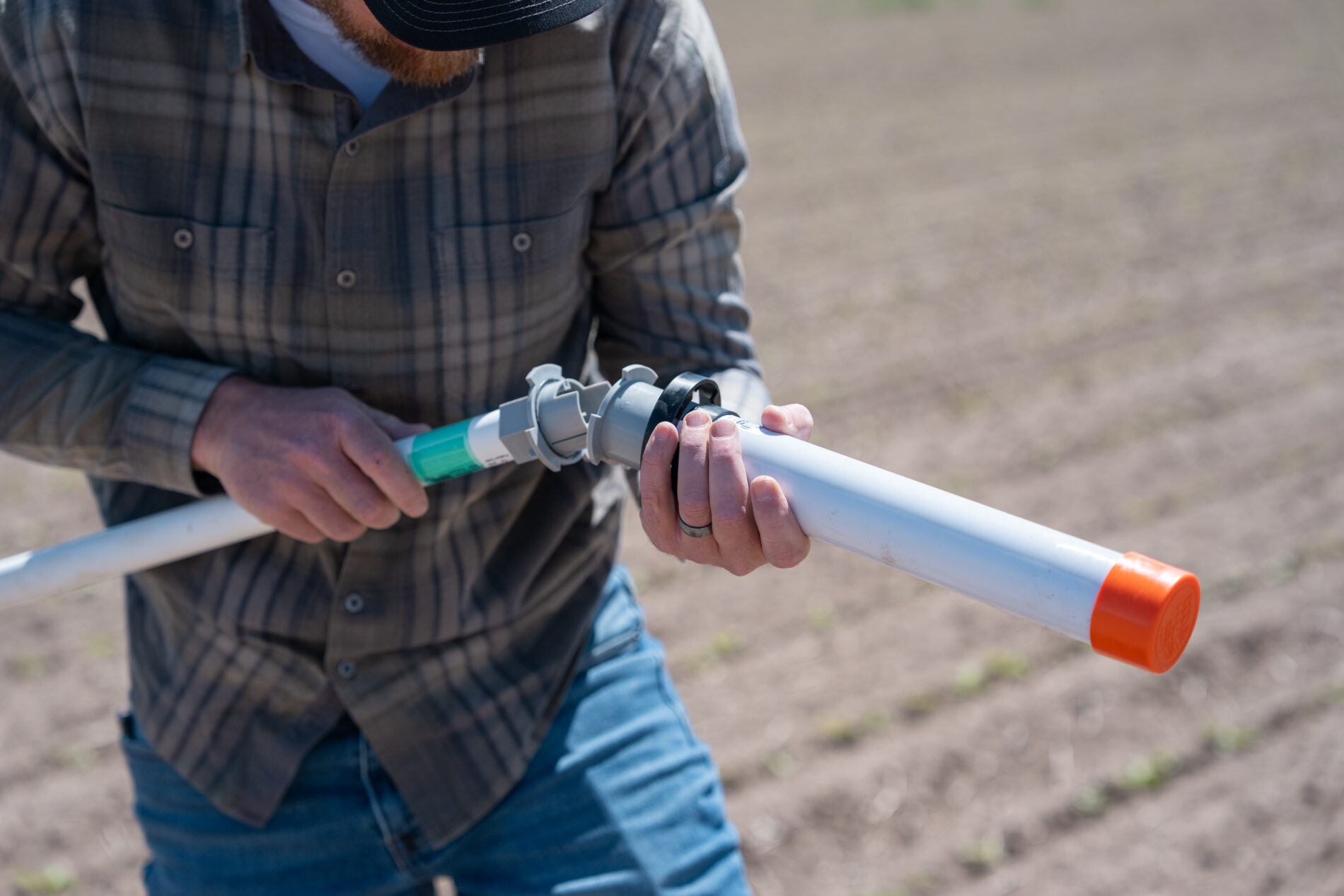
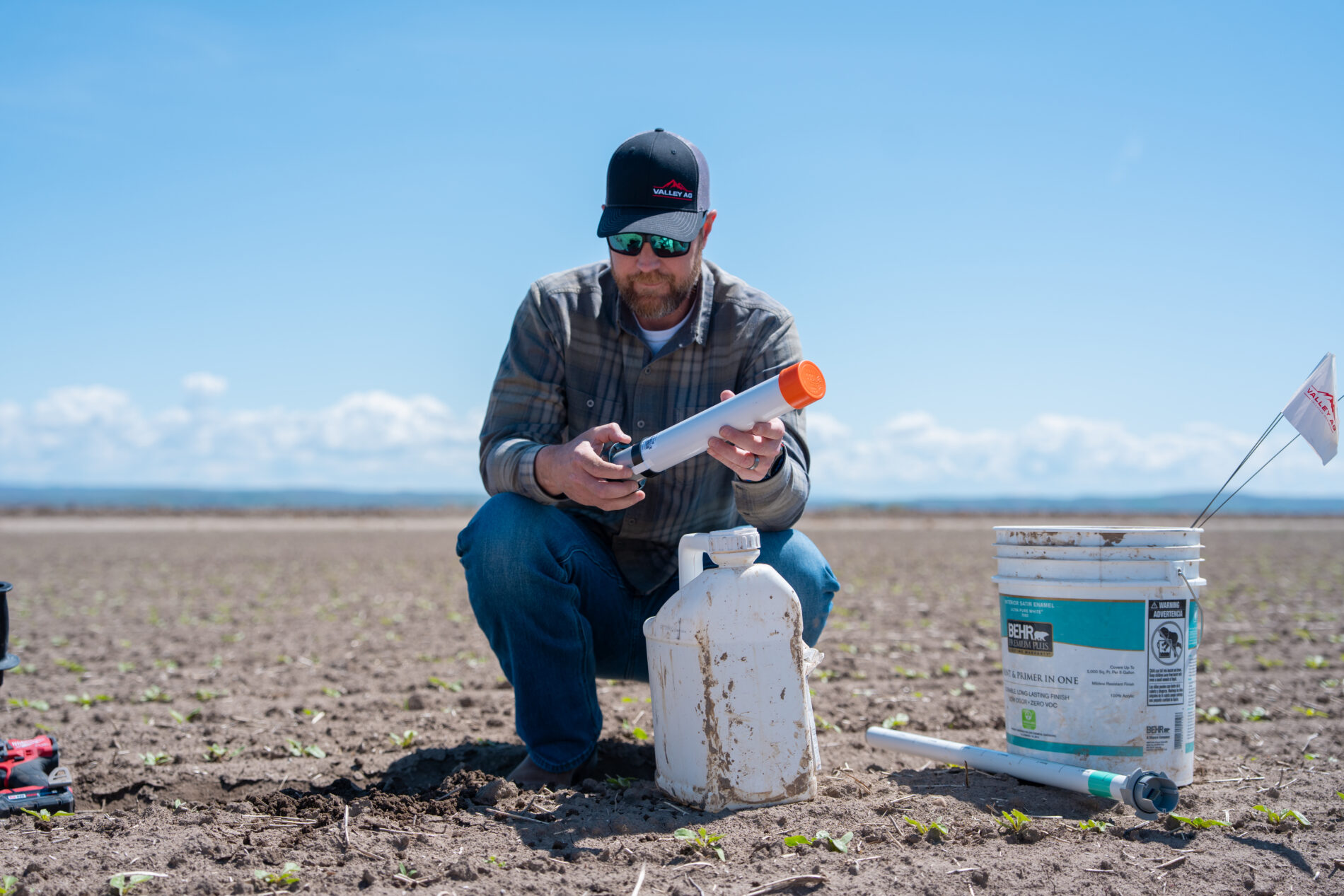
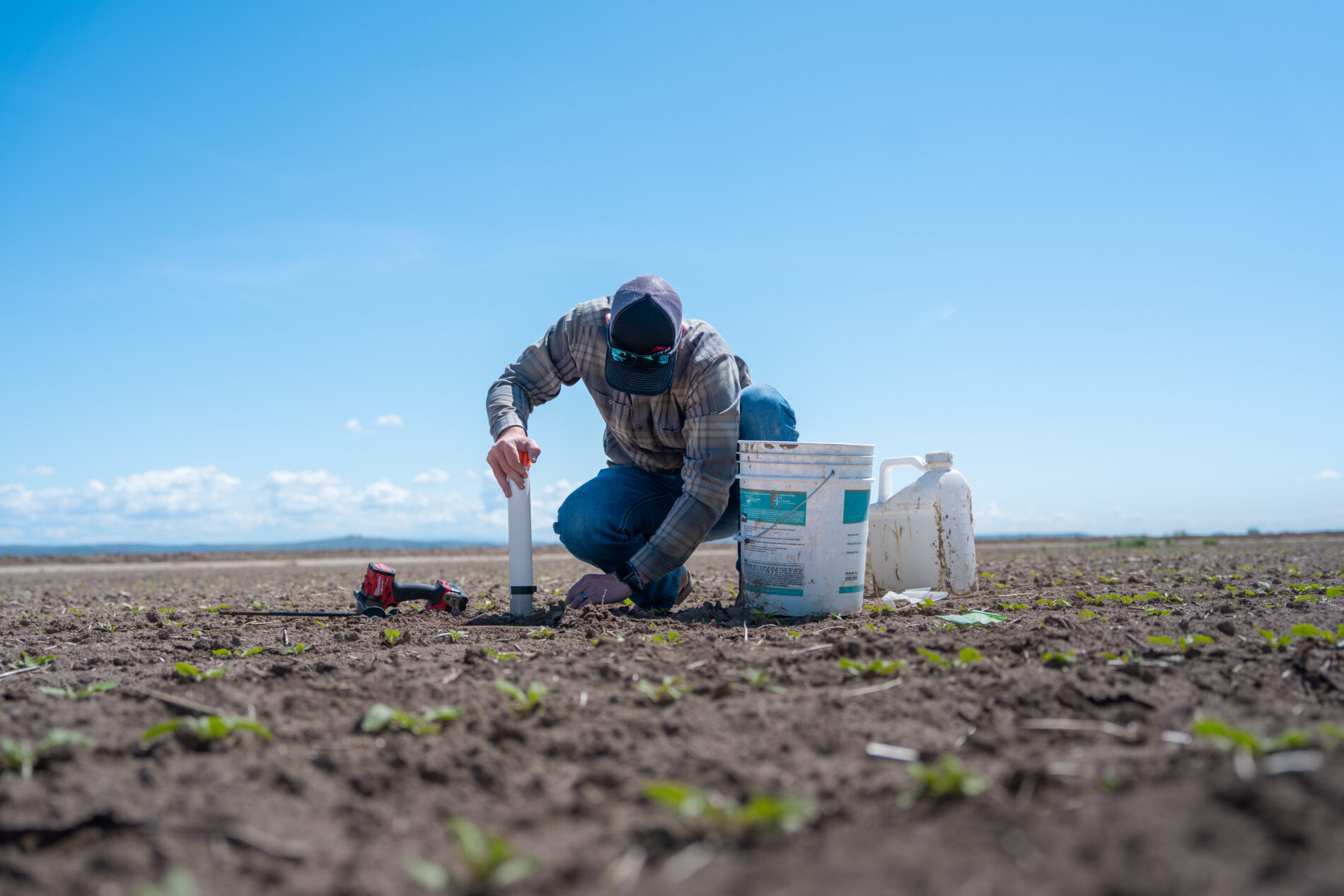
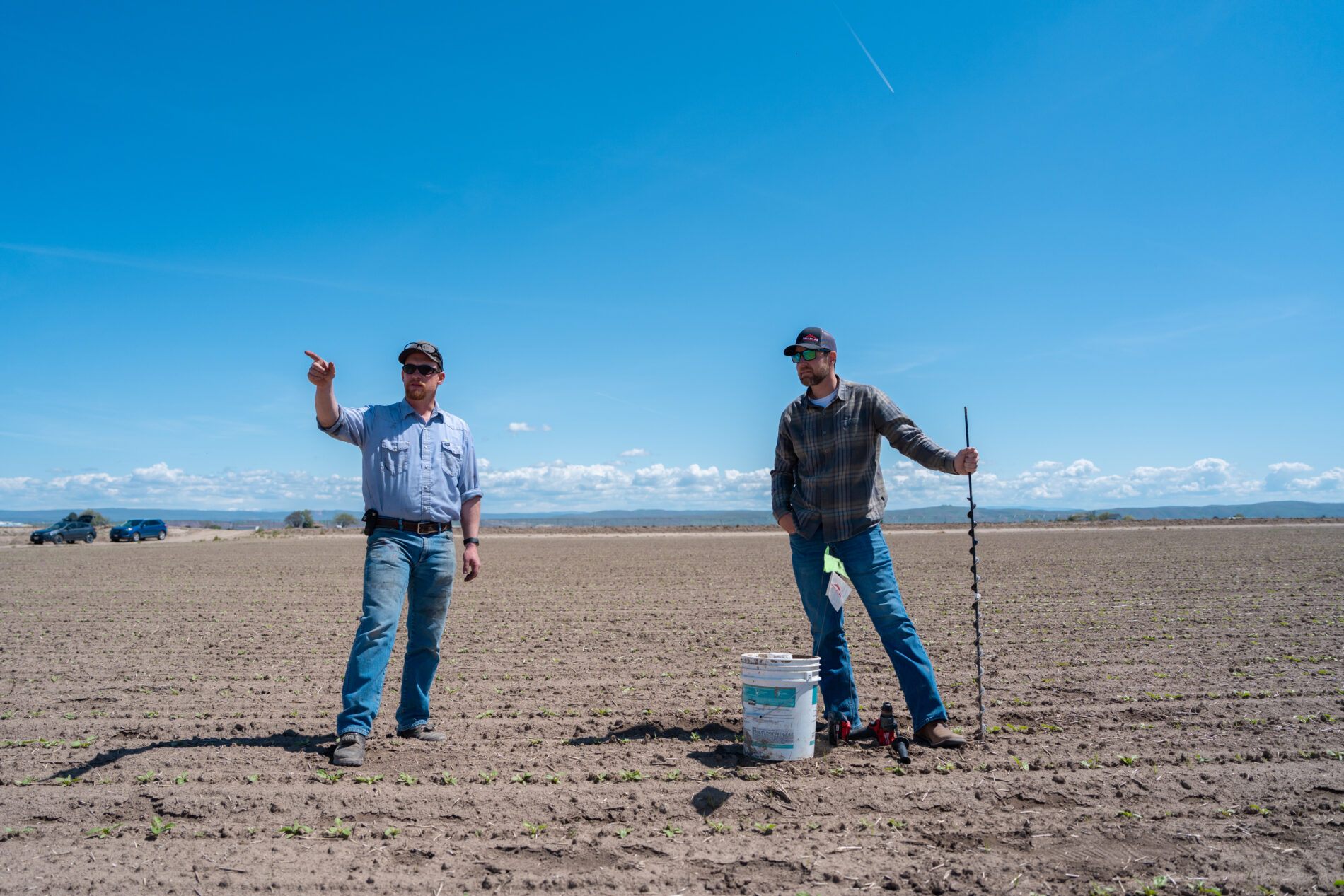
Valley Ag Technology Manager – Justin Pease, Installing Moisture Probe

Real Benefits in a Dry Year

In years with limited snowpack, every inch of water matters. Moisture probes give growers the confidence to cut back on water use without sacrificing yield. Many operations are already seeing benefits such as:

  • Lower pumping and energy costs
  • More uniform crop development
  • Reduced stress during critical growth stages
  • Better overall water management across fields

Looking Ahead

As water availability becomes more unpredictable, tools like soil moisture probes will play an increasingly critical role in Western agriculture. Valley Ag is committed to helping our customers adopt these technologies and integrate them into practical, field-ready solutions.

This year may be dry, but with the right data and the right approach, it doesn’t have to be unproductive. By turning insight into action, we can help ensure that every drop counts.

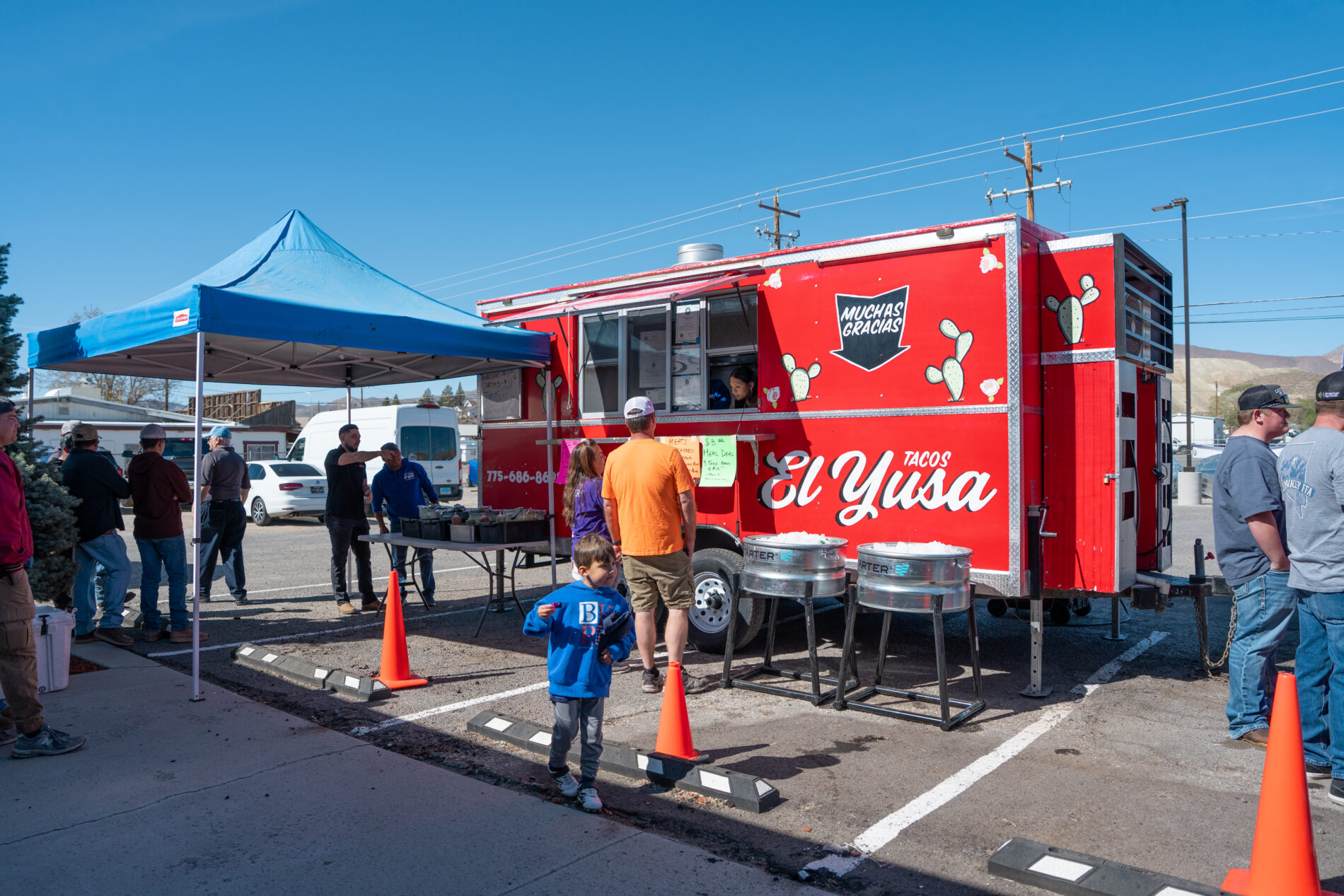
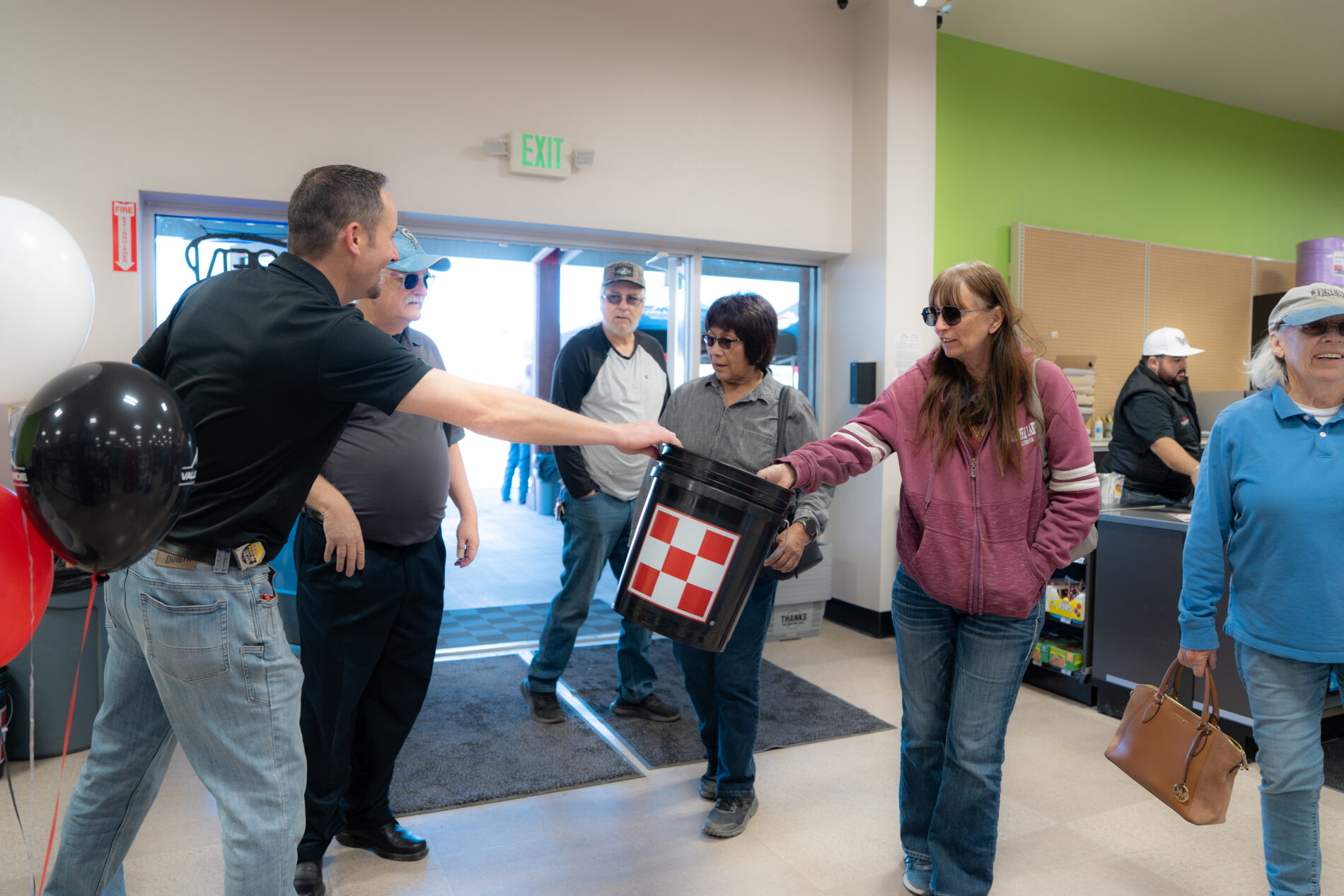
Now Serving Yerington: Valley Wide Opens Doors to the Community

Yerington Valley Wide Country Store

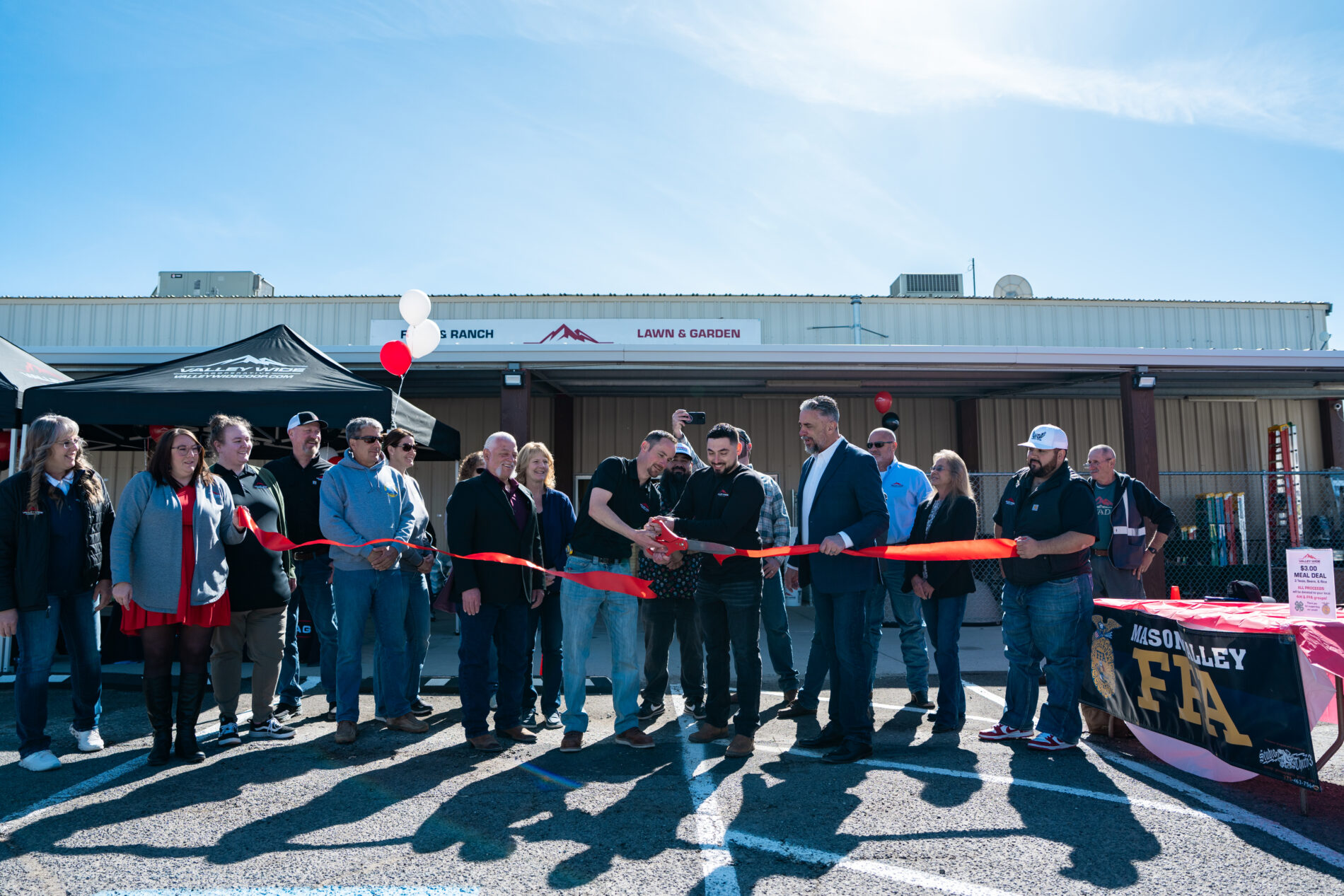
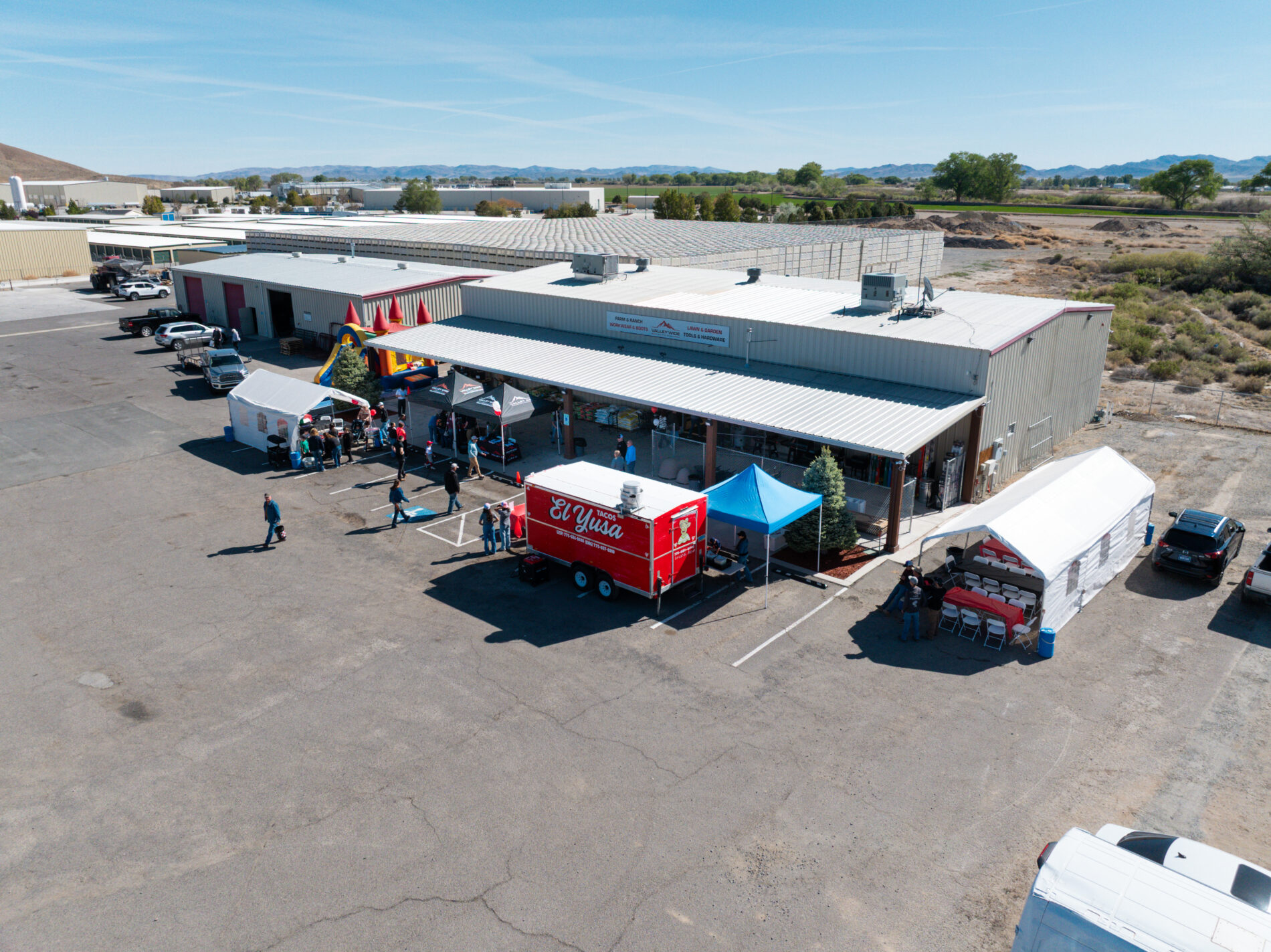
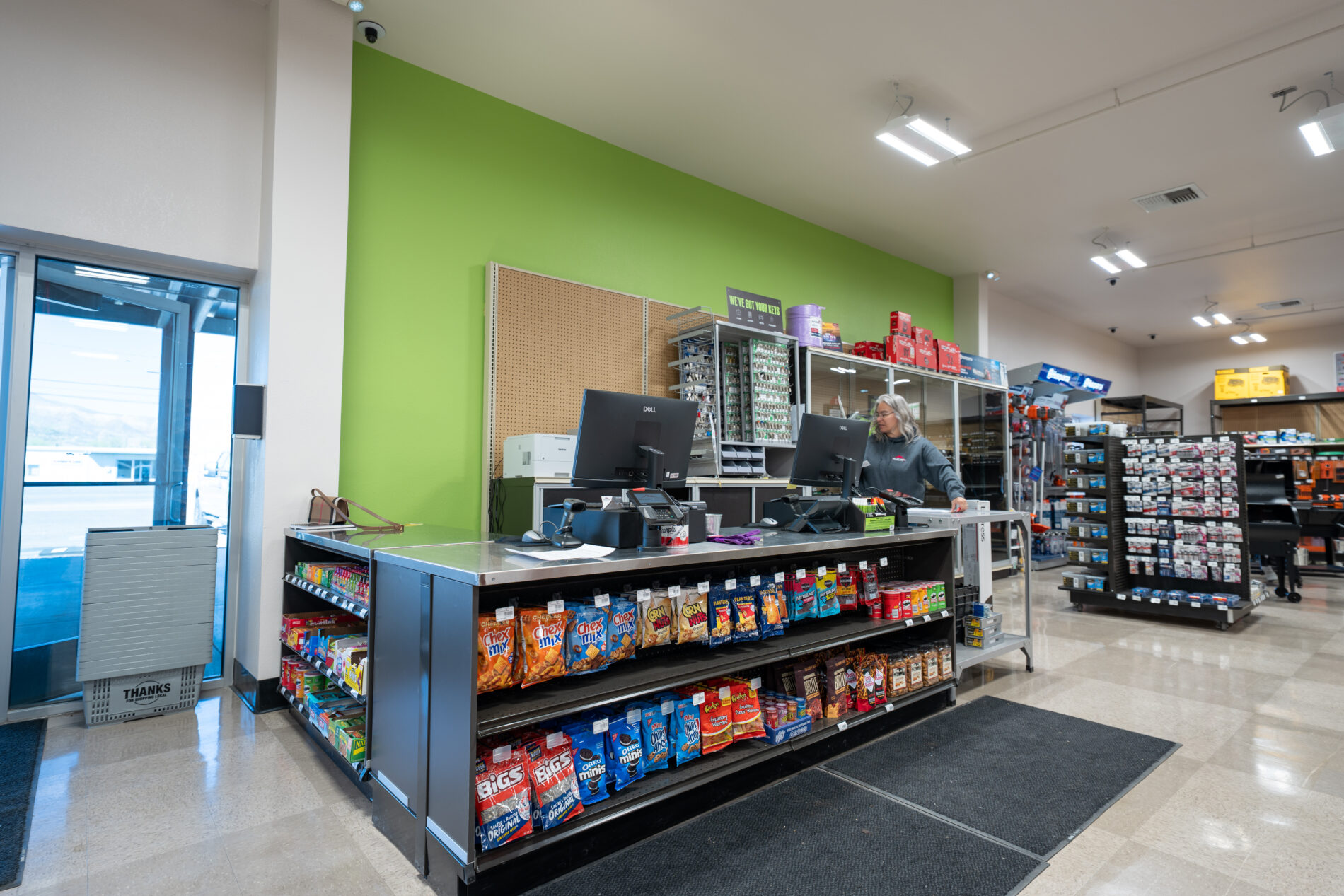
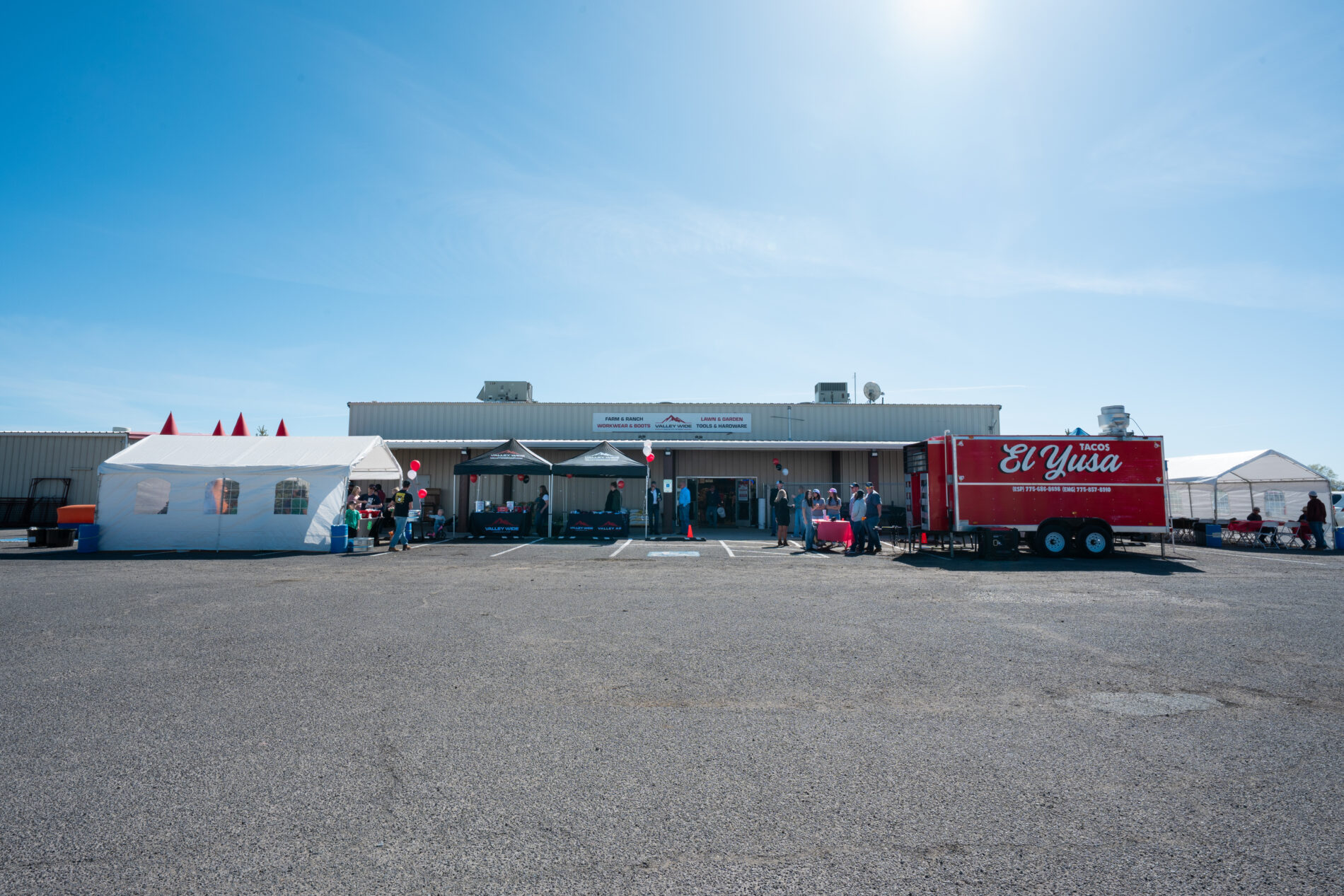
Valley Wide Cooperative is proud to announce the opening of its newest farm and ranch store in Yerington, Nevada, bringing expanded access to essential supplies and services for the local community.

Managed by Joe Newsome, the new location reflects both a personal and professional commitment to the area. Having lived in Yerington for the past four years, Joe has seen firsthand the need for greater access to agricultural supplies and services.

“I’ve been part of this community for a few years now, and there’s really been a need for a place like this,” Newsome said. “This store is going to help us better serve local farmers, ranchers, and families and keep those resources close to home.”

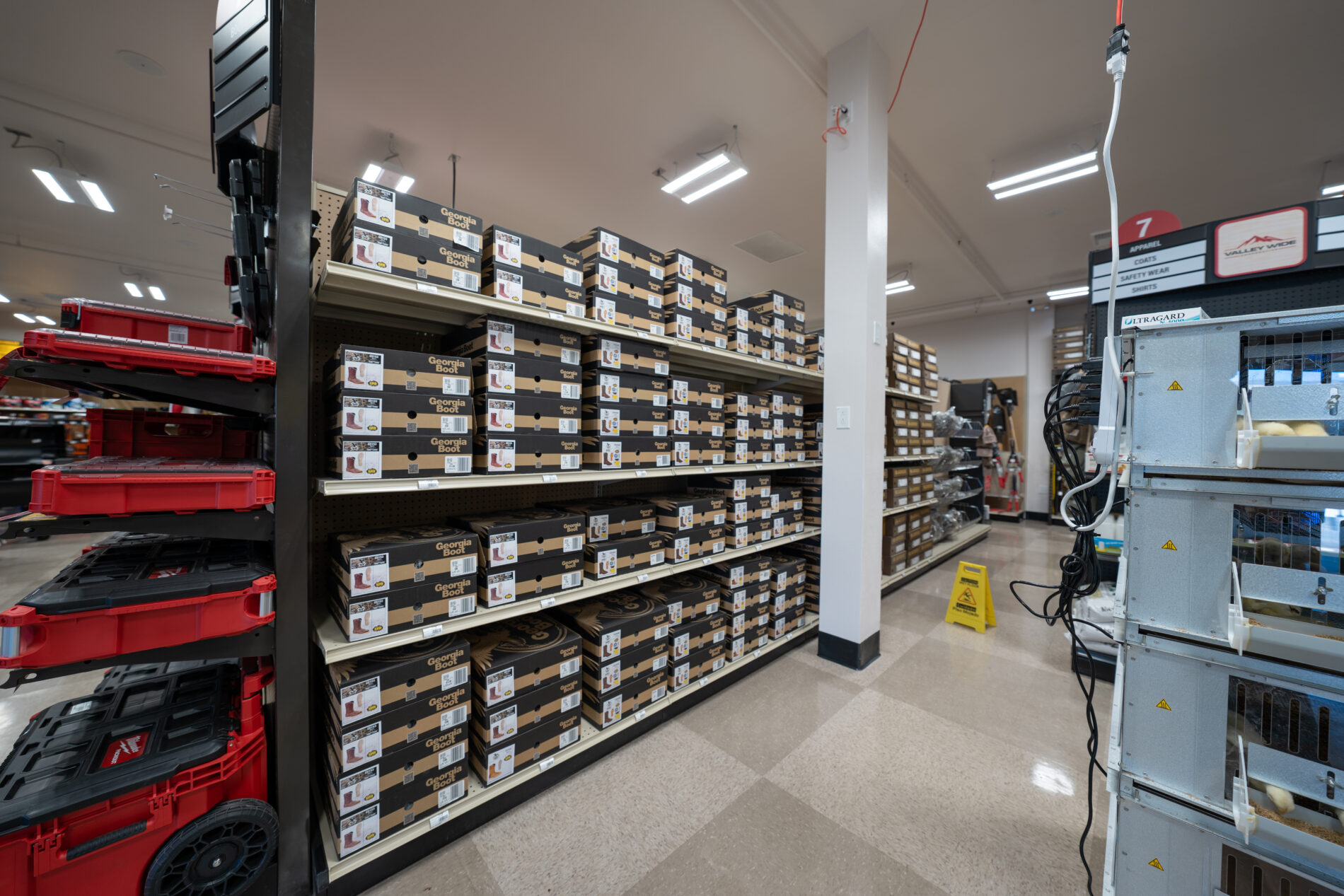
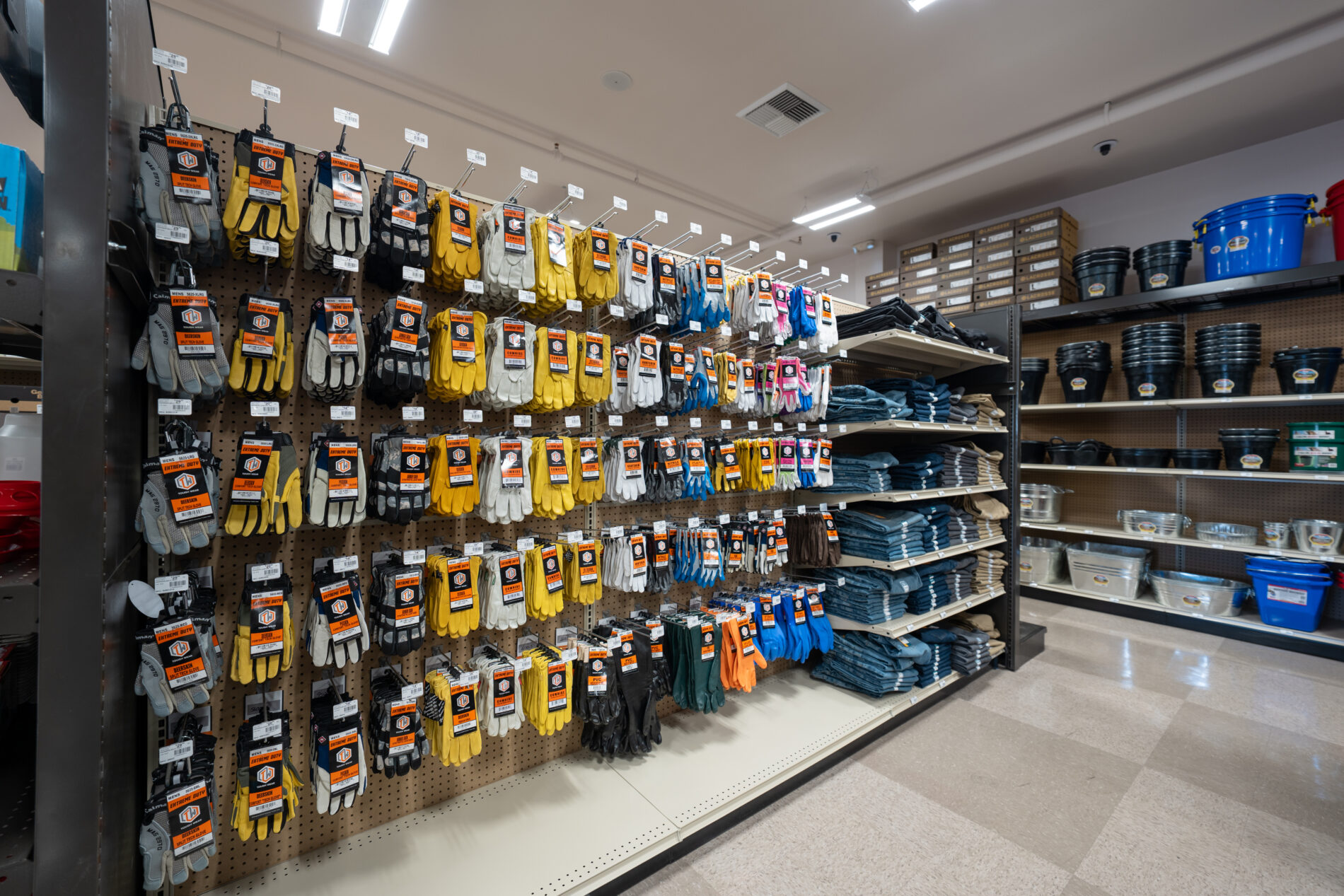
The Yerington store offers a wide range of inventory to support both everyday and large-scale operations. Customers can find everything from fertilizer, irrigation products, and livestock feed to vaccines, hardware, workwear, and boots. With fully stocked shelves and a focus on strong customer service, the store is designed to be a true one-stop shop for farm and ranch needs.

Beyond products, the new location is intended to strengthen the local agricultural community. By reducing the need to travel long distances for supplies, Valley Wide is helping producers operate more efficiently while staying connected to a trusted local partner.

The Yerington team invites the community to stop in, meet the staff, and see how the new store can support their operation.

Check out the video below to hear from Store Manager Joe Newsome about the new Yerington location.

THE HOLTOM CHALLENGE COIN

The challenge coin tradition is rooted in military history and represents dedication, service, and commitment, values that Dave consistently championed throughout his leadership. Under his tenure, the Challenge Coin program became a meaningful way to recognize employees who demonstrate hard work, reliability, and a strong commitment to serving the cooperative and its members. Renaming the coins serves as a lasting tribute to Dave’s leadership, values, and the people who make Valley Wide strong. 

null

Nicole Hulbert - Accounts Payable Specialist

Nicole Hulbert has demonstrated exceptional attention to detail and a strong commitment to improving our operation. While reviewing internal processes, she identified a significant cost-saving opportunity within the system and took the initiative to bring it forward. Her proactive approachmade a meaningful impact on efficiency. Nicole’s dedication, problem-solving mindset, and focus on continuous improvement make her a valued member of the team and a deserving recipient of the Challenge Coin.
null

Don Severin - Ag Services Manager

Don’s 40 years of service reflect an unwavering commitment to helping farmers succeed. His high standards, deep industry knowledge, and remarkable memory have helped Valley Ag deliver solutions that benefit growers while keeping costs in mind. Two sayings often heard from Don are, “If you can’t have fun, get out!” and “You never stop learning.” Both perfectly capture the attitude that has defined his career. Congratulations, Don, on an outstanding 40-year milestone. Job well done!

null

Fred Hale - Energy Driver

Fred has become one of the most consistent and reliable members of our Driggs/Rexburg team. He’s always willing to step in wherever needed and remains one of the Region’s top‑producing drivers. His strong safety mindset was evident during a recent accident in which another vehicle crossed into his lane. Fred avoided a head‑on collision, secured his bobtail, and immediately provided care to the unconscious driver until paramedics arrived—actions that almost certainly contributed to the driver’s survival. He returned to work the next day with his usual positive attitude and commitment to serving our customers.