


Message From The CEO


Message from the Chairman


From humble beginnings to a thriving seed production operation, Gabe Flick shares how hard work, family, and a willingness to innovate have helped Flick Farms grow while creating opportunities for the next generation of agriculture. Check out the video below to learn more!
From humble beginnings to a thriving seed production operation, Gabe Flick shares how hard work, family, and a willingness to innovate have helped Flick Farms grow while creating opportunities for the next generation of agriculture. Check out the video below to learn more!

How Flick Farms Built a Future Through Family, Hard Work, and a Drive to Keep Improving
For Gabe Flick, farming has never been something that simply happened. It is something he built.
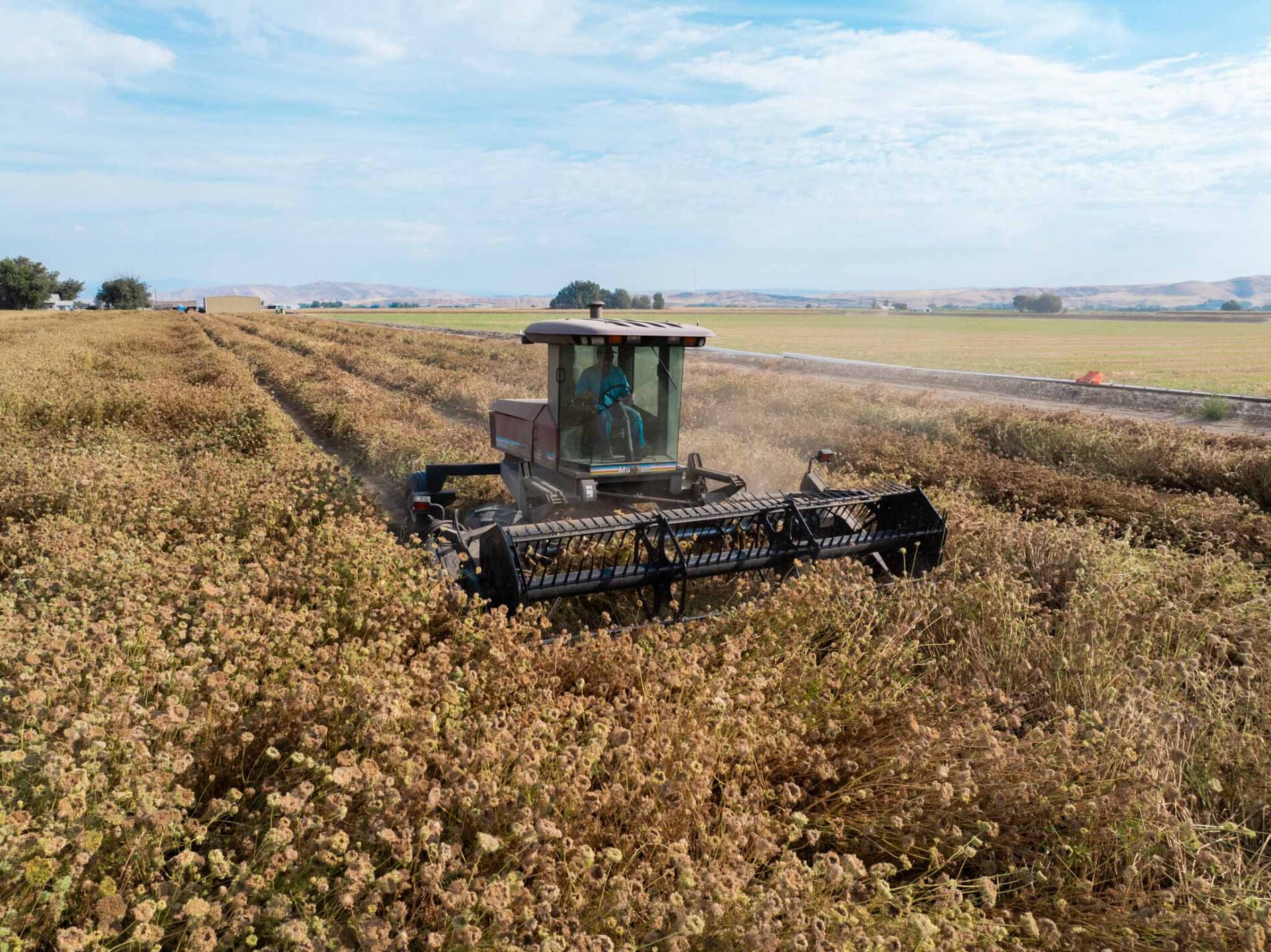
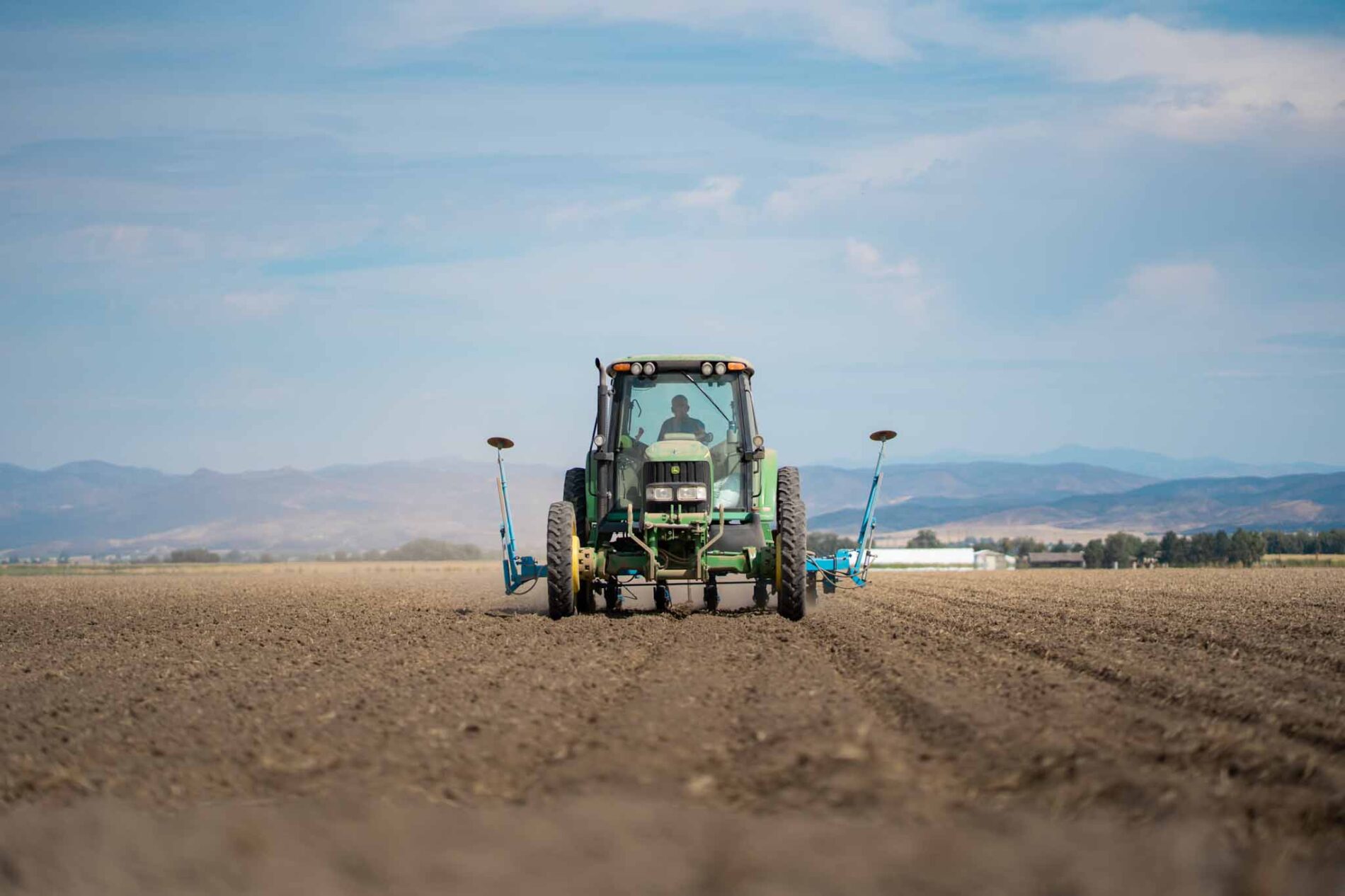
From raising produce for farmers markets as a kid to operating a diverse seed production business today, Gabe’s path has been defined by persistence, adaptability, and a willingness to pursue opportunities others might overlook. What started as a small operation has grown into Flick Farms, now farming nearly 1,000 acres and producing a diverse range of specialty seed crops while serving customers across the United States, Mexico, and parts of Europe.
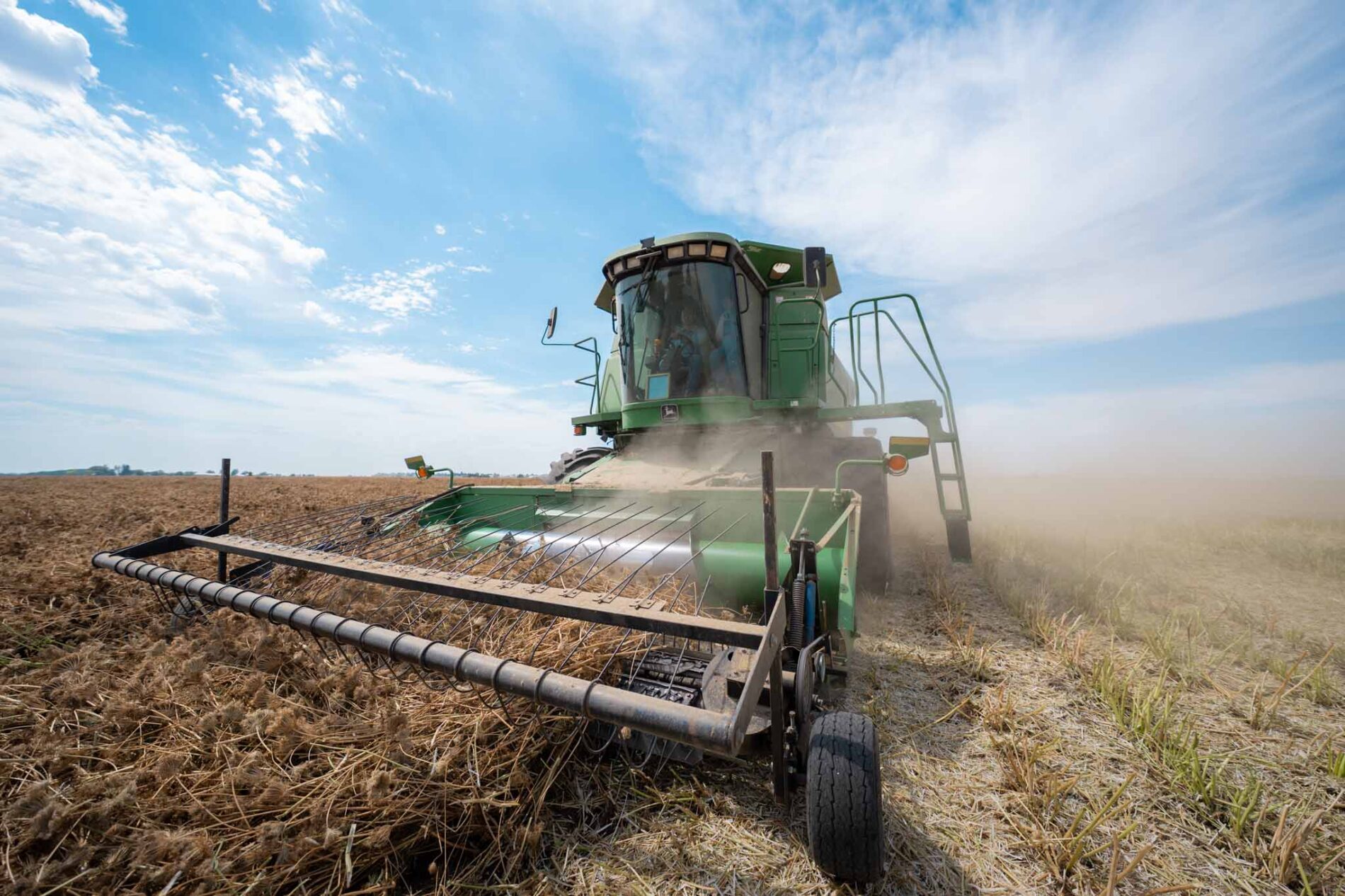
Building a Farm from the Ground Up
Gabe’s story in agriculture began long before he owned his first piece of equipment. Growing up, his father worked for seed companies while farming on the side, and although his parents hoped he would pursue a different career, Gabe never lost his desire to farm. He started young by growing produce for farmers markets and gradually renting small parcels of ground around his community. Throughout high school, he worked on a local dairy and developed a custom haying business, using the income to pay off equipment and build toward his ultimate goal.
After graduation, Gabe worked within the seed industry before recognizing an underserved niche in small-scale seed production. Larger companies often were not interested in growing specialty seed crops in smaller quantities, while home gardeners could not always meet the demand. Gabe saw an opportunity to bridge that gap, and specialty seed crops quickly became a defining characteristic of Flick Farms.
Those early years demanded a tremendous amount of work. Many of the specialty seed contracts were measured in ounces rather than tons, requiring long days, countless hours of hand labor, and an incredible amount of attention to detail. Tomatoes, peppers, cucumbers, herbs, and flower seeds all found a place on the farm. “We were farming by the square foot at that point,” Gabe recalled. “We didn’t have a lot of land base to work off of.””
Family Remains at the Center
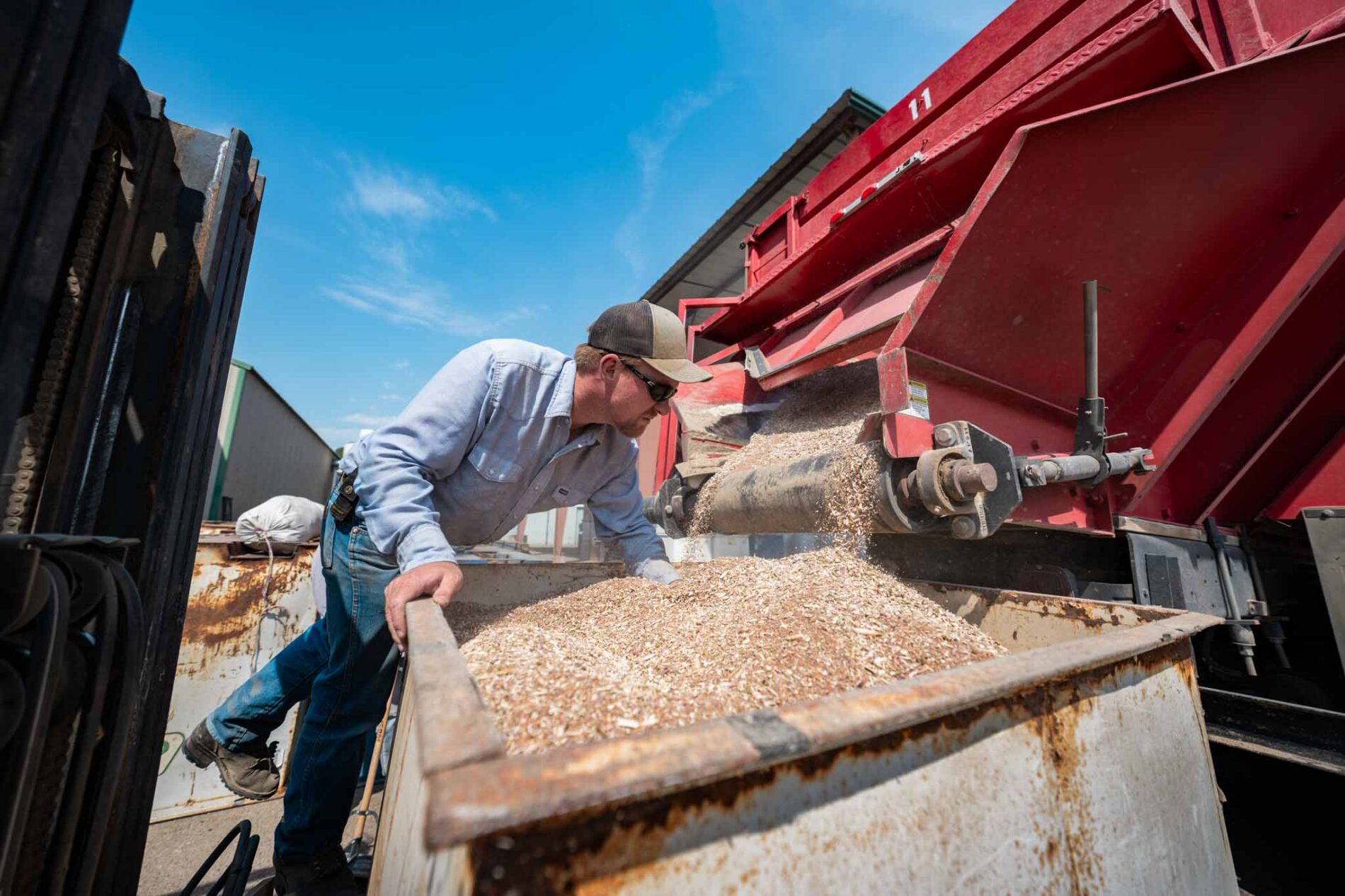
In the beginning, some of the farm’s seed cleaning was done right at the kitchen table, processed entirely by hand.
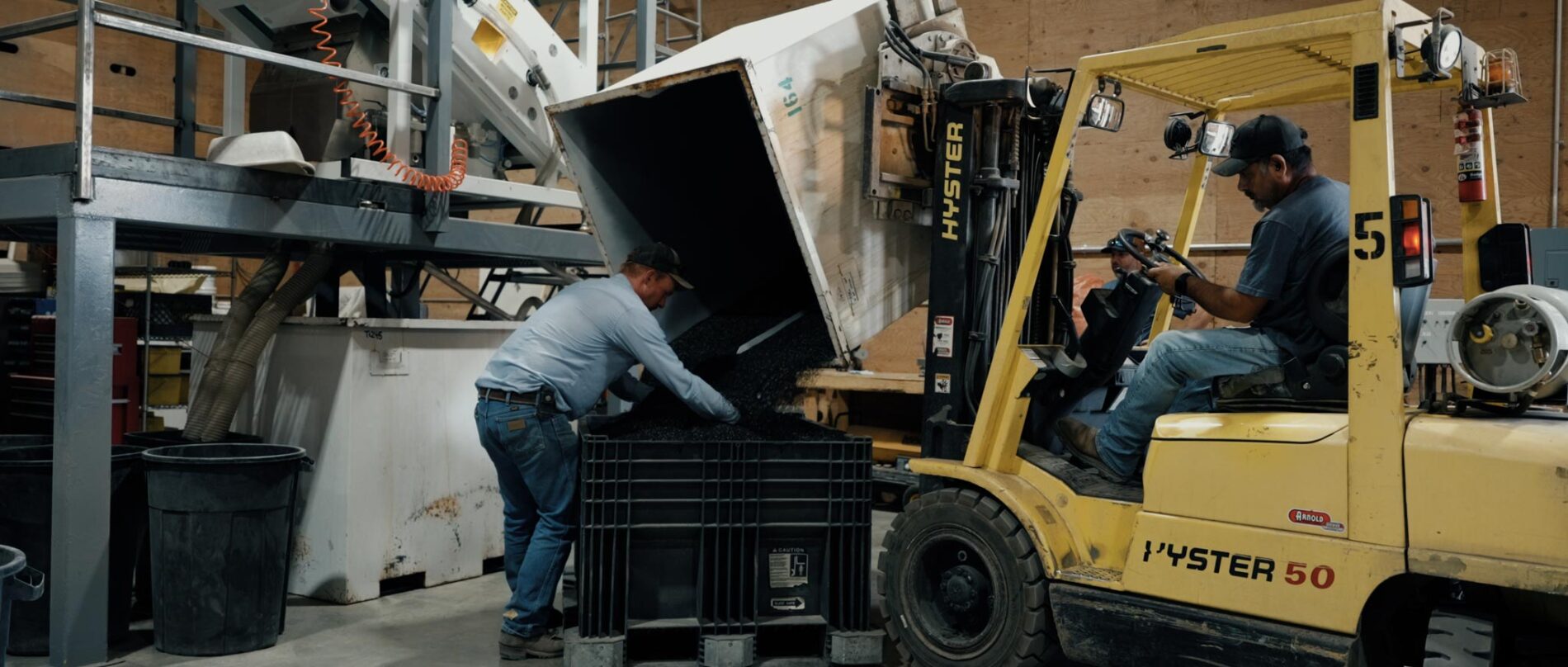
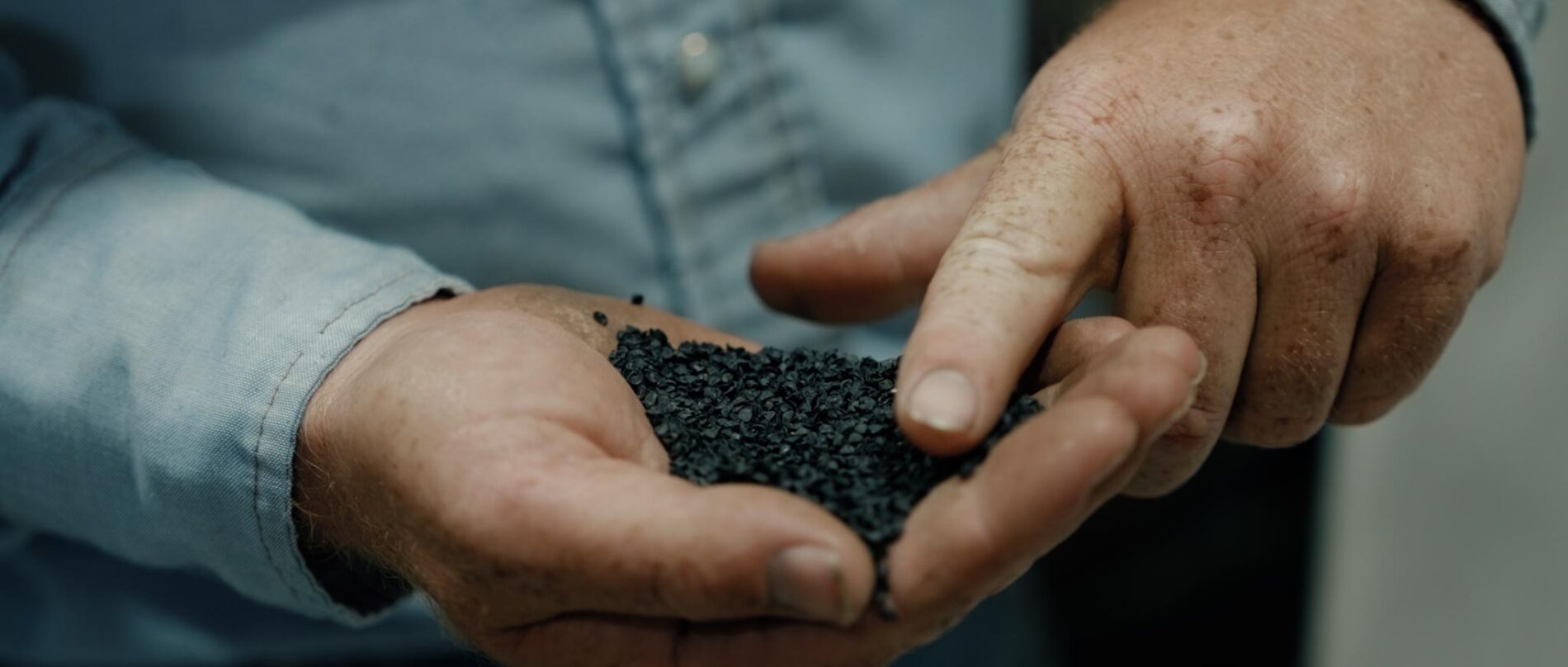
Small desktop seed cleaners eventually gave way to larger equipment and, ultimately, a dedicated seed-cleaning facility. Today, that facility processes approximately two million pounds of seed annually. For Gabe, building the seed plant was never just about his own farm—it was about creating opportunities for other growers and helping younger producers gain access to specialty seed markets.
Although the operation has grown substantially, family remains central to its success. One of the most important contributors to the farm’s growth has been Gabe’s father, who stepped in to keep the operation moving forward while Gabe attended graduate school, and who continues to help during busy seasons even in retirement. Gabe also met his wife, Stephanie, during his graduate studies, and today they are raising two young children who are already riding along in tractors and learning the rhythm of farm life.

Relationships That Grow With the Farm
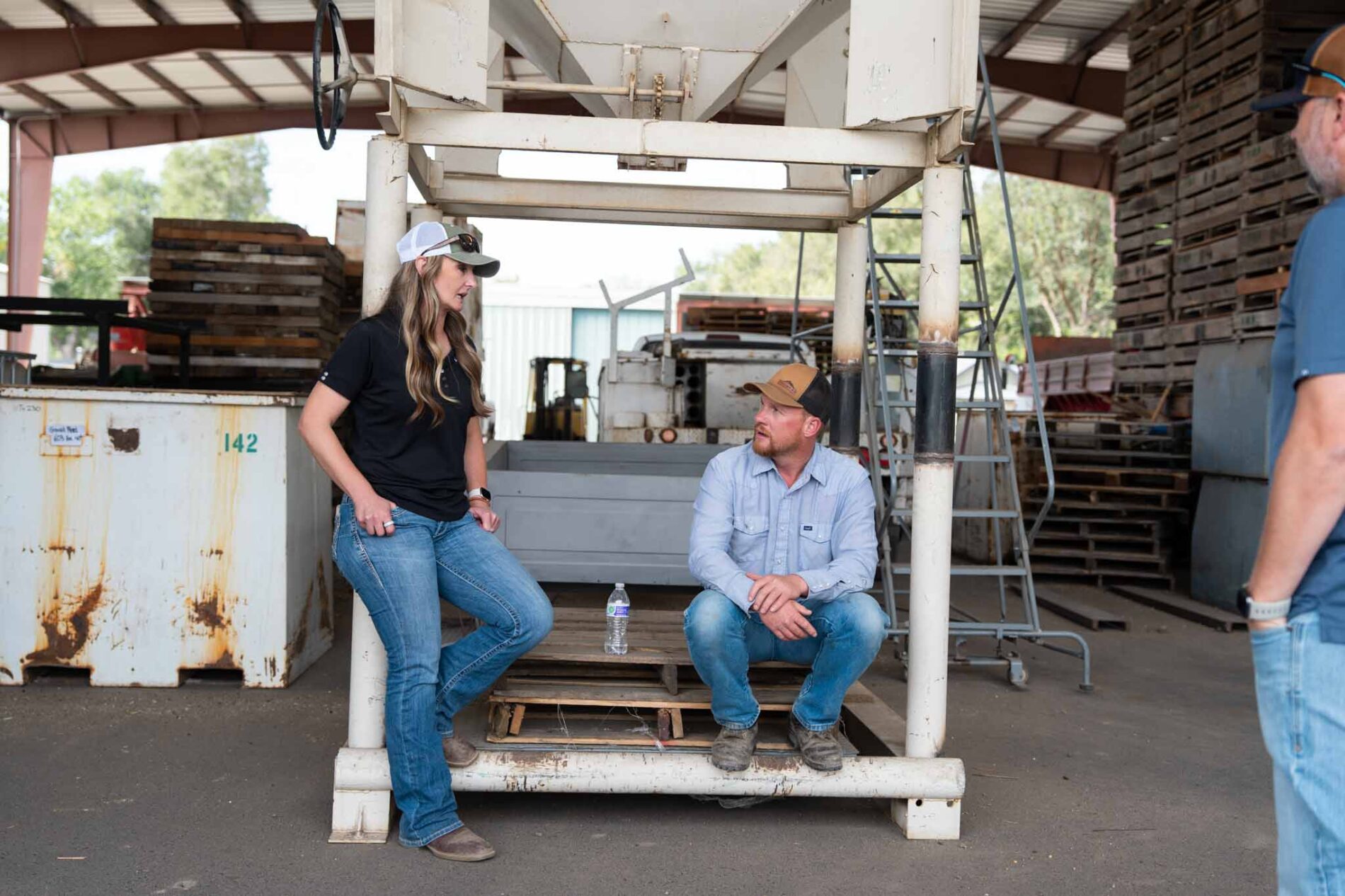
Like many successful farming operations, Flick Farms has grown through strong partnerships. Gabe’s relationship with Valley Ag stretches back years, but one of the most impactful chapters has come through working with Mandie, a Crop Advisor out of the Greenleaf location. The two actually knew each other long before agriculture brought them back together, having attended school together.
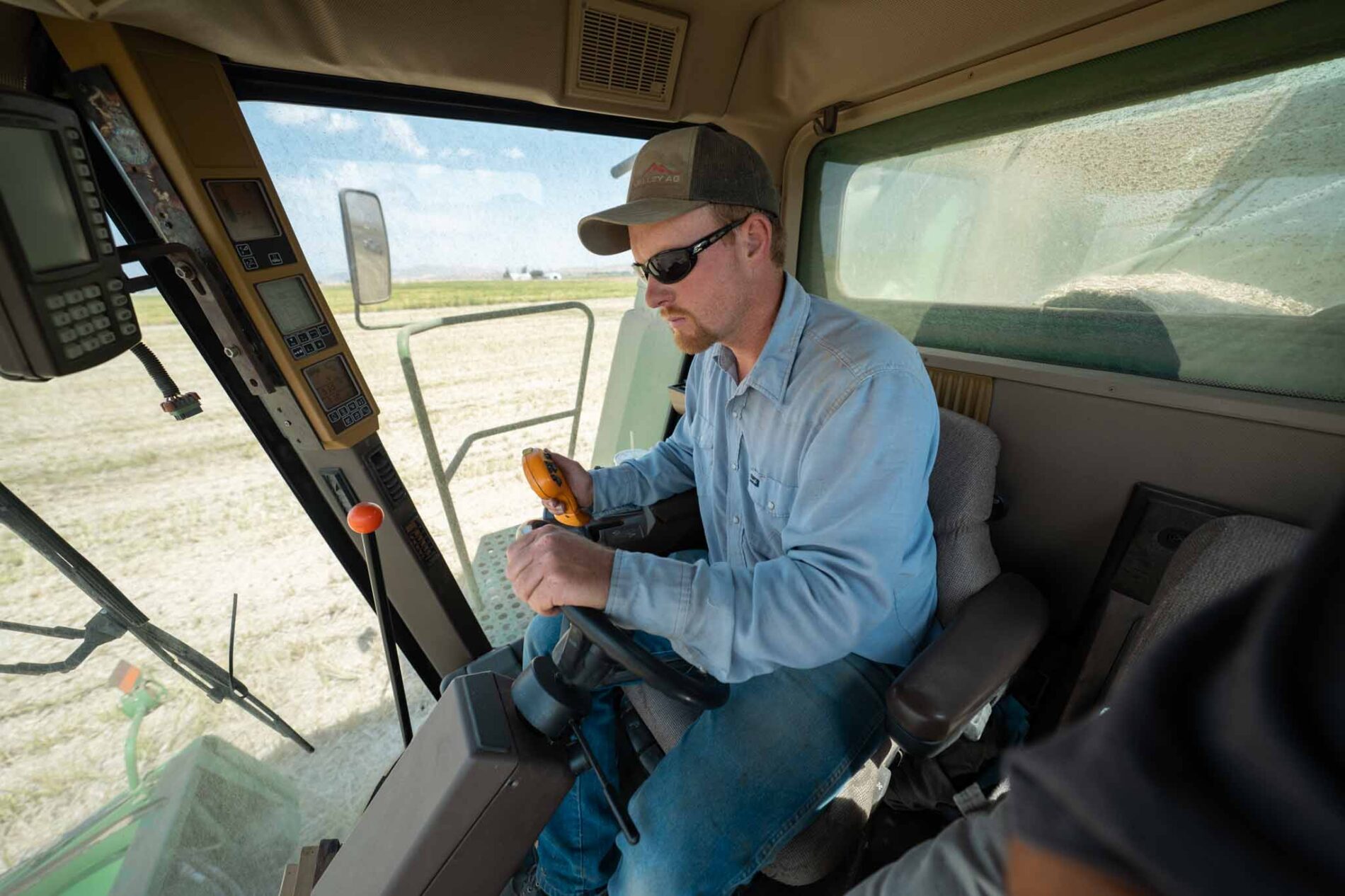
As the farm expanded from roughly 250 acres to nearly 1,000 acres, the complexity of managing fields, fertility programs, and crop inputs increased dramatically. What began with basic inputs eventually expanded into comprehensive agronomic support, fuel services, technology solutions, and ongoing collaboration across the operation.
“We’ve tripled the size of the farm, and there’s no way I could have done it without the technology and organization that comes with that,” Gabe said.
Beyond the technology itself, Gabe deeply values the relationship and proactive communication. “She checks in once a week at least and says, ‘Where are we at? What are we going to do? Do we need to get this on the books?’ That’s been really essential to our expansion.” For a growing farm, having that kind of reliable cooperative partner has become increasingly important every step of the way.


Looking Ahead Through Innovation
That same willingness to improve and evolve is what ultimately led Flick Farms to become one of Valley Ag’s Innovation Farm locations.
Working alongside Ag Technology Manager Justin Pease and the Valley Ag team, the farm serves as a real-world testing ground for emerging technologies.
For Justin, the goal is straightforward.
“We wanted a controlled environment, but also a production environment where we could trial technologies and see how they perform throughout the growing season,” he said.
Finding the right grower was equally important.
“Having the grower’s perspective on what’s actually working and what’s not has been a game changer for us.”
Justin says Gabe’s willingness to evaluate data, test new ideas, and provide honest feedback made Flick Farms a natural fit for the project.
For Gabe, innovation is about making better decisions through better information.
“I’ve always been a big fan of data,” he said. “You need real data and real research because that’s really valuable to making good decisions on the farm.”
Rooted in the Future
From cleaning seeds by hand at the kitchen table to operating a seed facility that serves growers across North America, Gabe’s story reflects what is possible through persistence, family support, and strong partnerships.
Whether it is creating opportunities for other producers, investing in new technology, or strengthening partnerships with Valley Ag, Gabe remains focused on finding practical ways to improve while preserving what matters most.


GARDEN VALLEY, ID
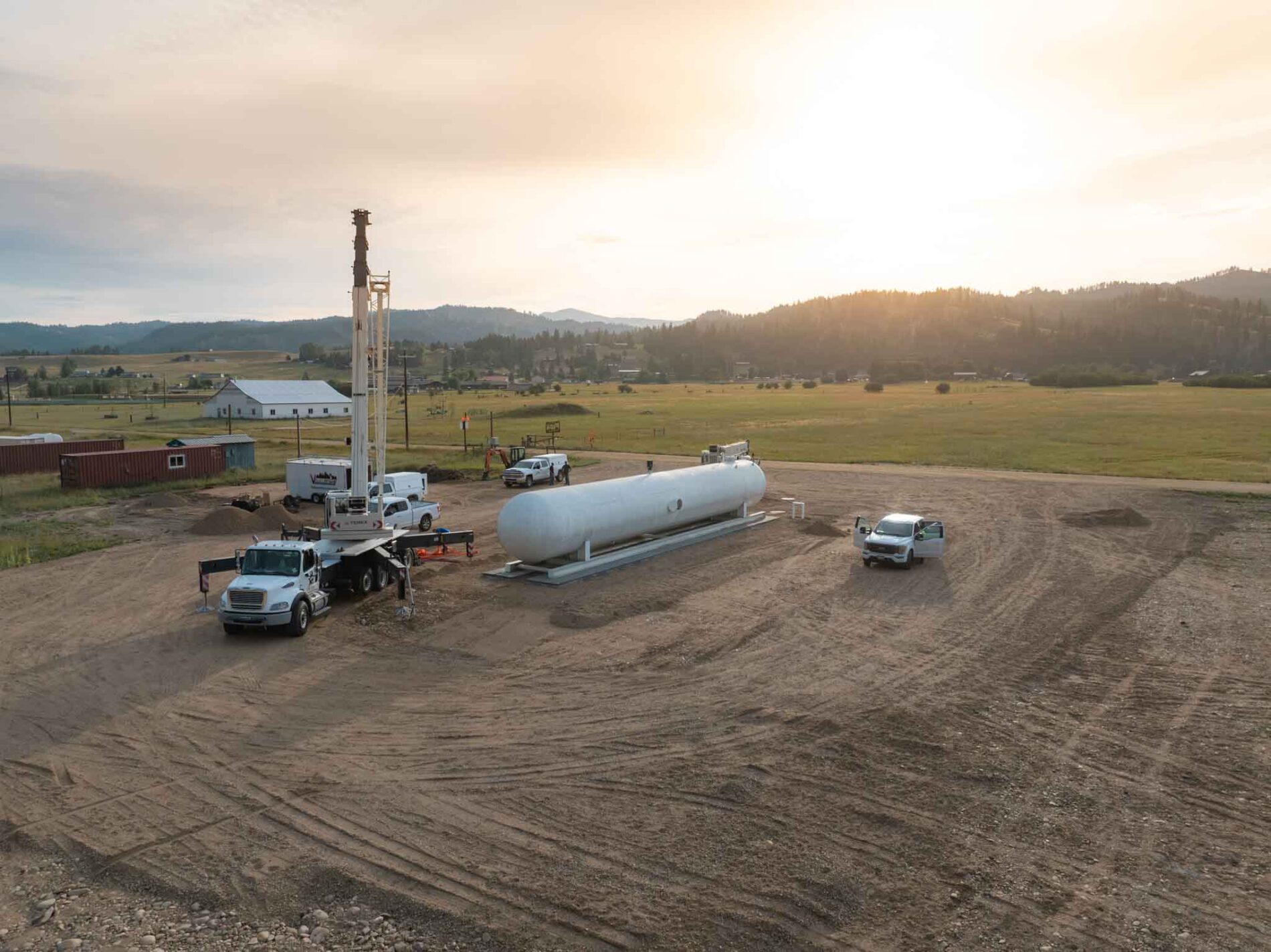
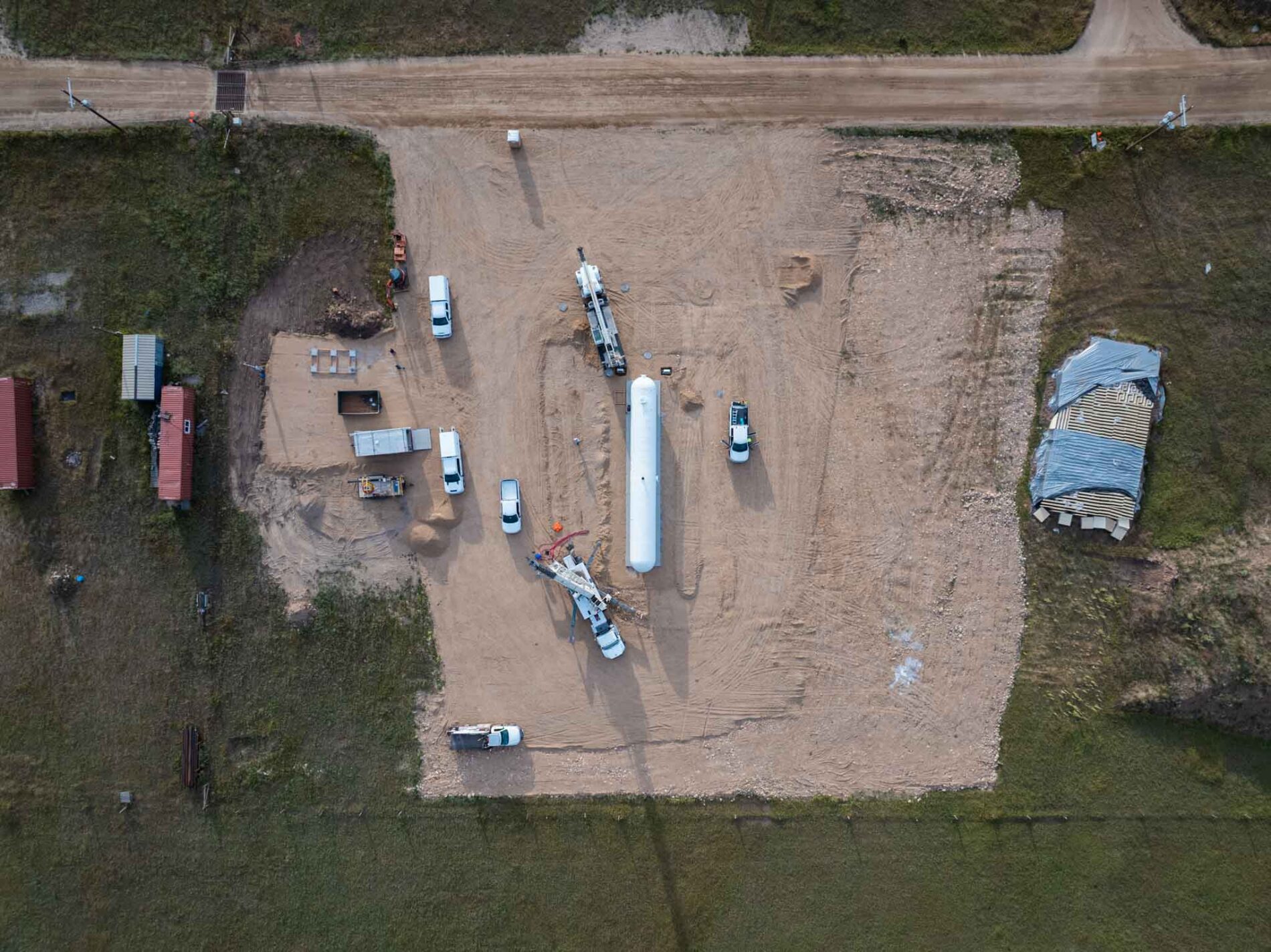
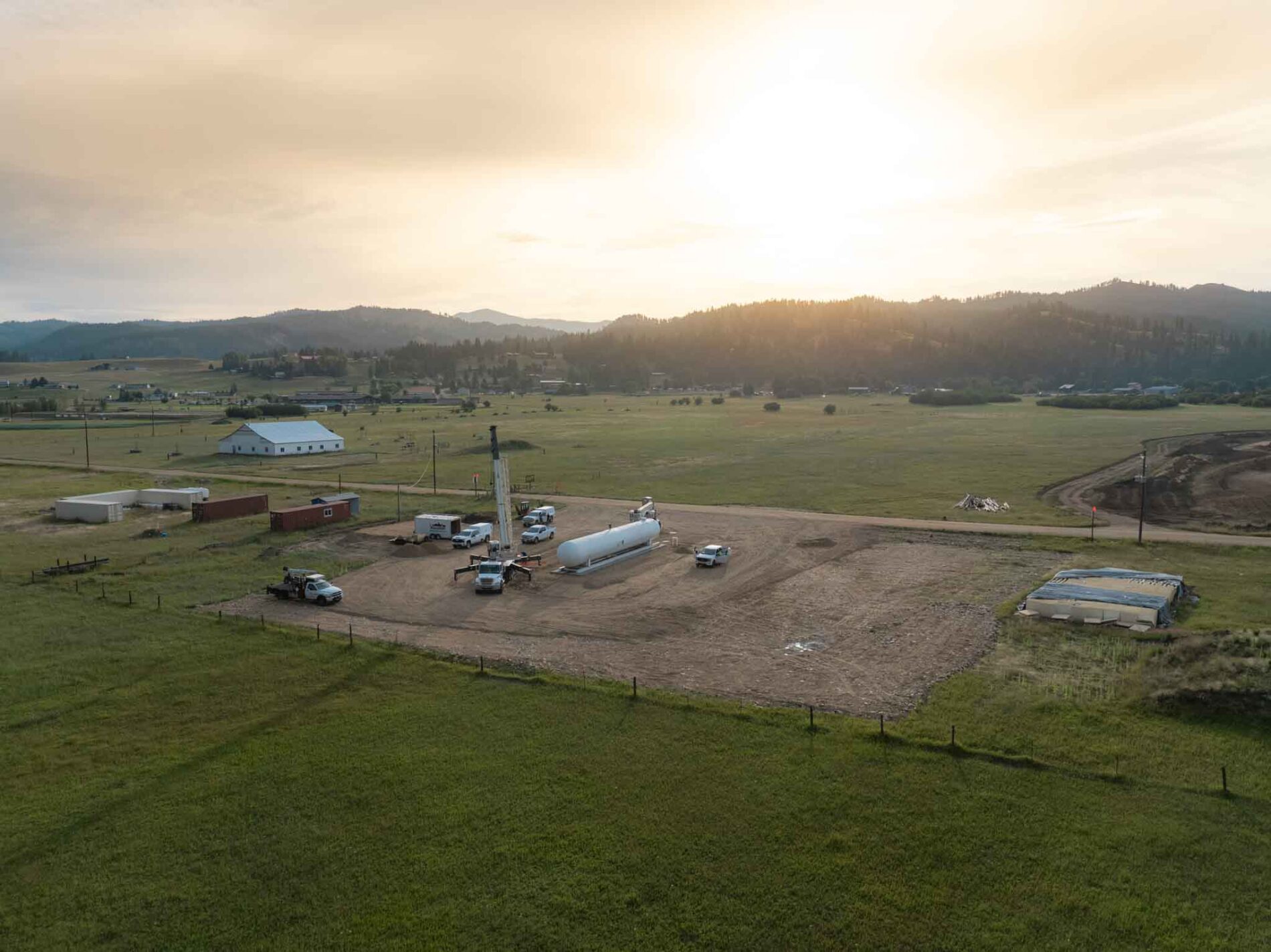
GARDEN VALLEY, ID
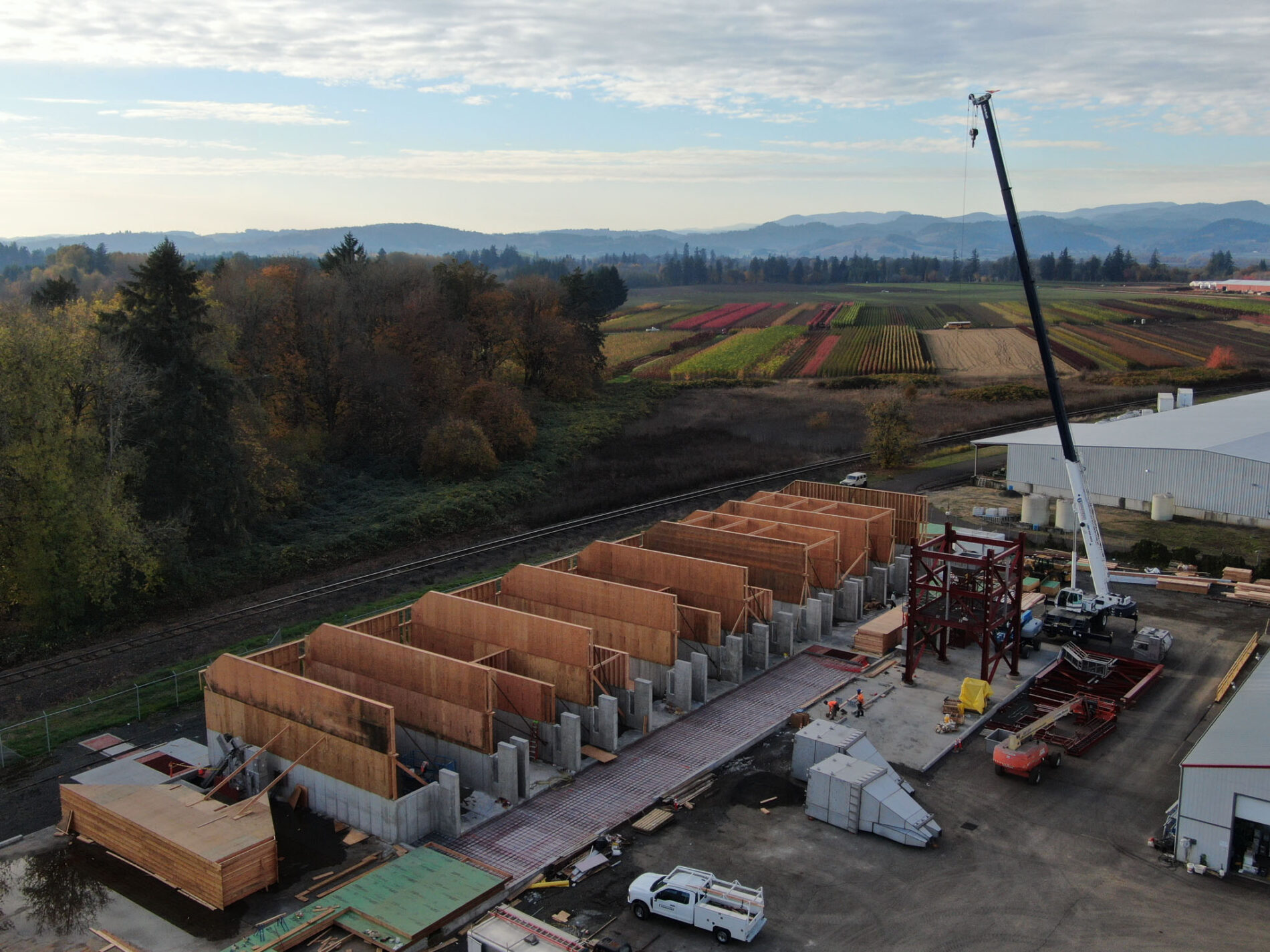

WHITESON, OREGON
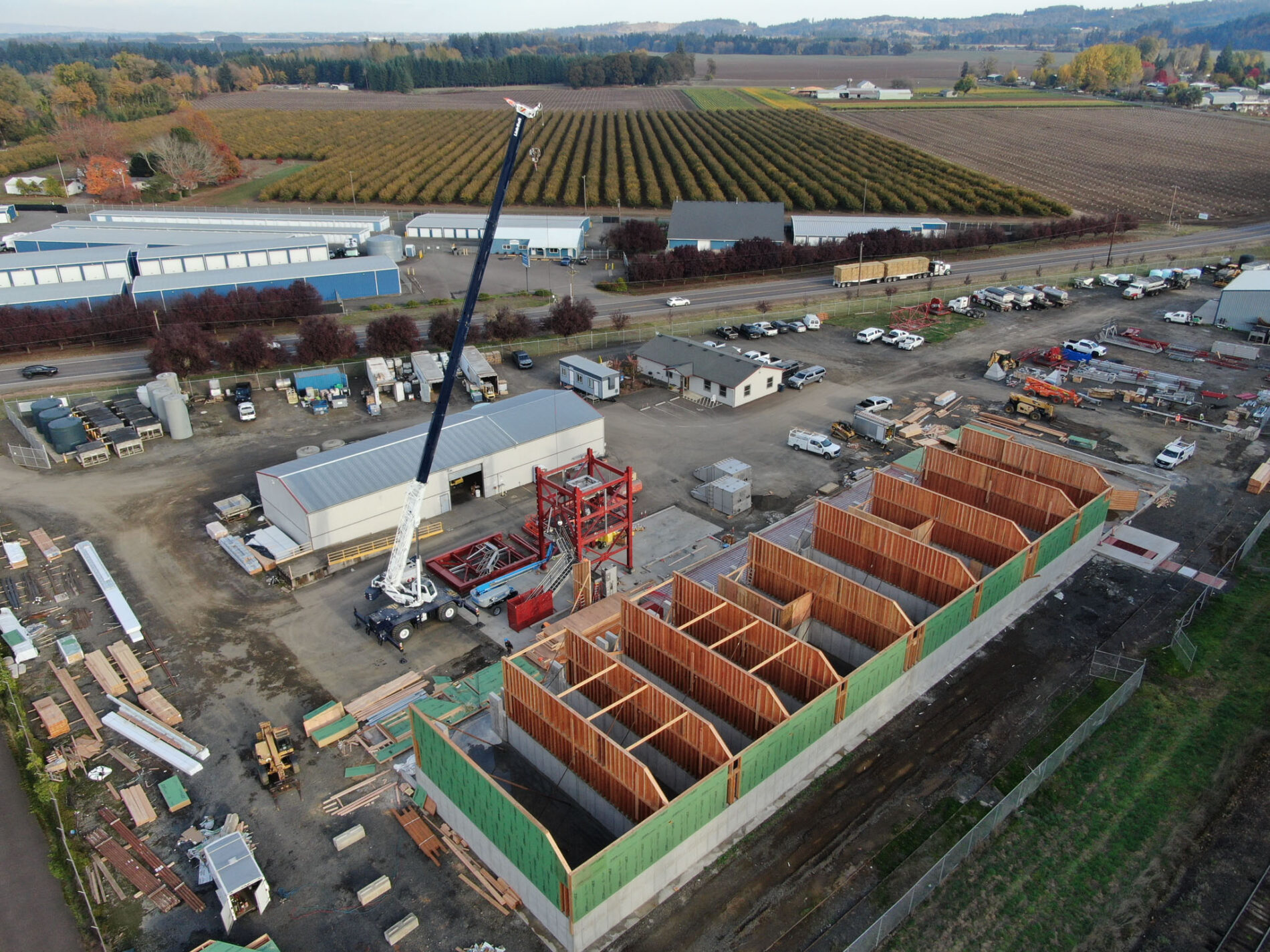
We’re making great progress at our Whiteson facility. All concrete walls and bin floors have been poured, with the final alley pour scheduled for November 4 to complete the dry barn concrete work. Wood wall framing is already about 60% installed, and Waconia equipment is being pre-assembled and erected, with two sections of the loadout tower fully completed. Next, crews will install the blender and weigh hopper tower sections, while the remaining tower bins arrive on-site and are set in place. We’re excited to see this facility continue to take shape and enhance our ability to serve local growers.


DAVENPORT, WASHINGTON
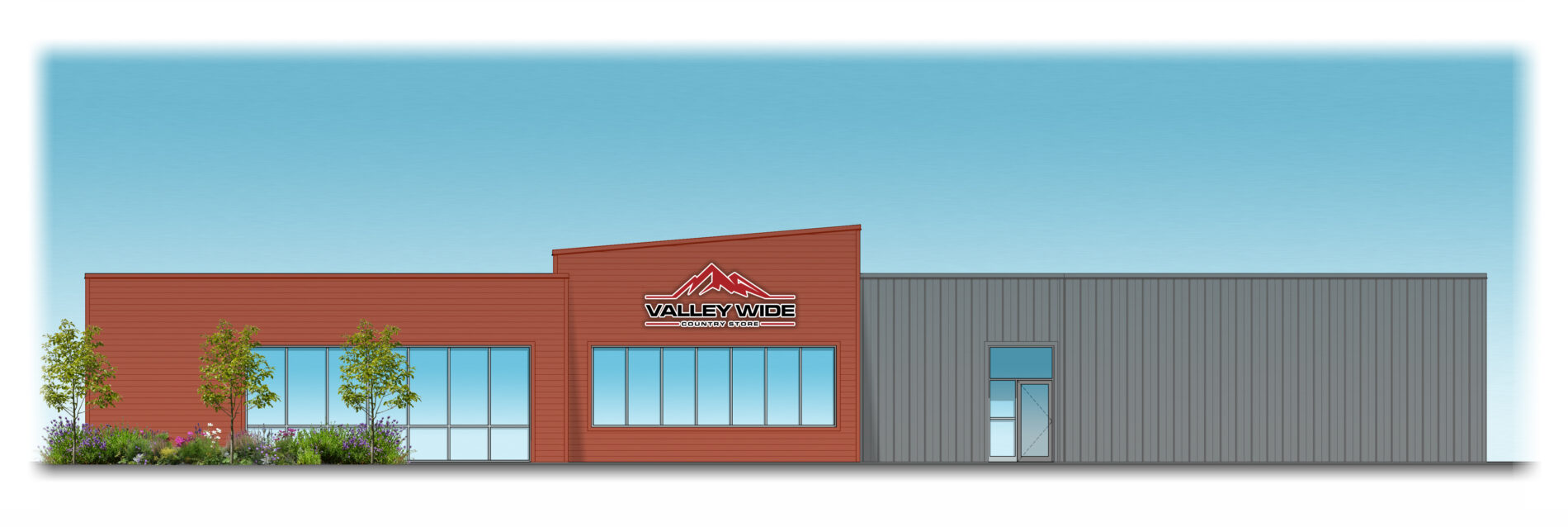
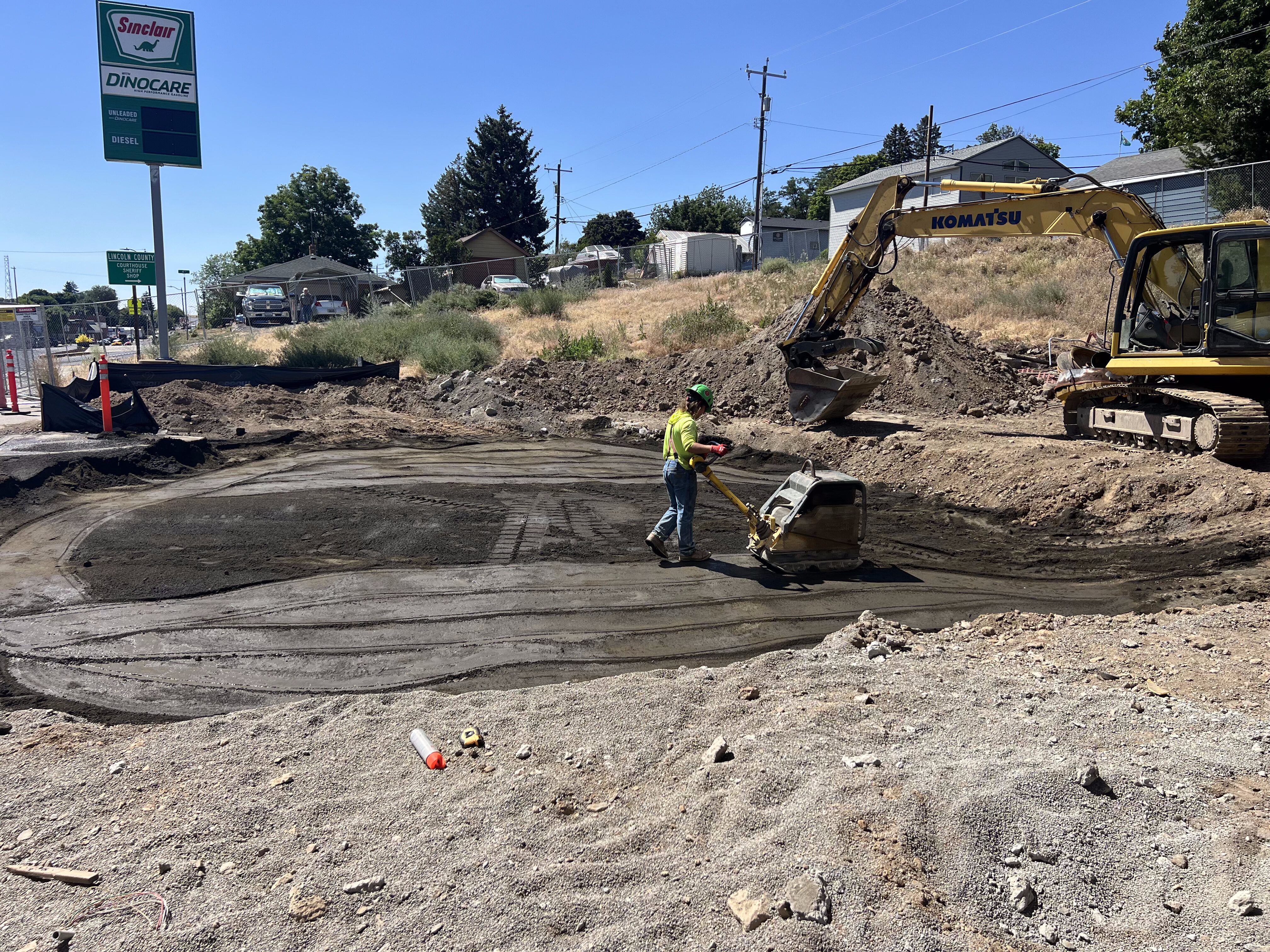
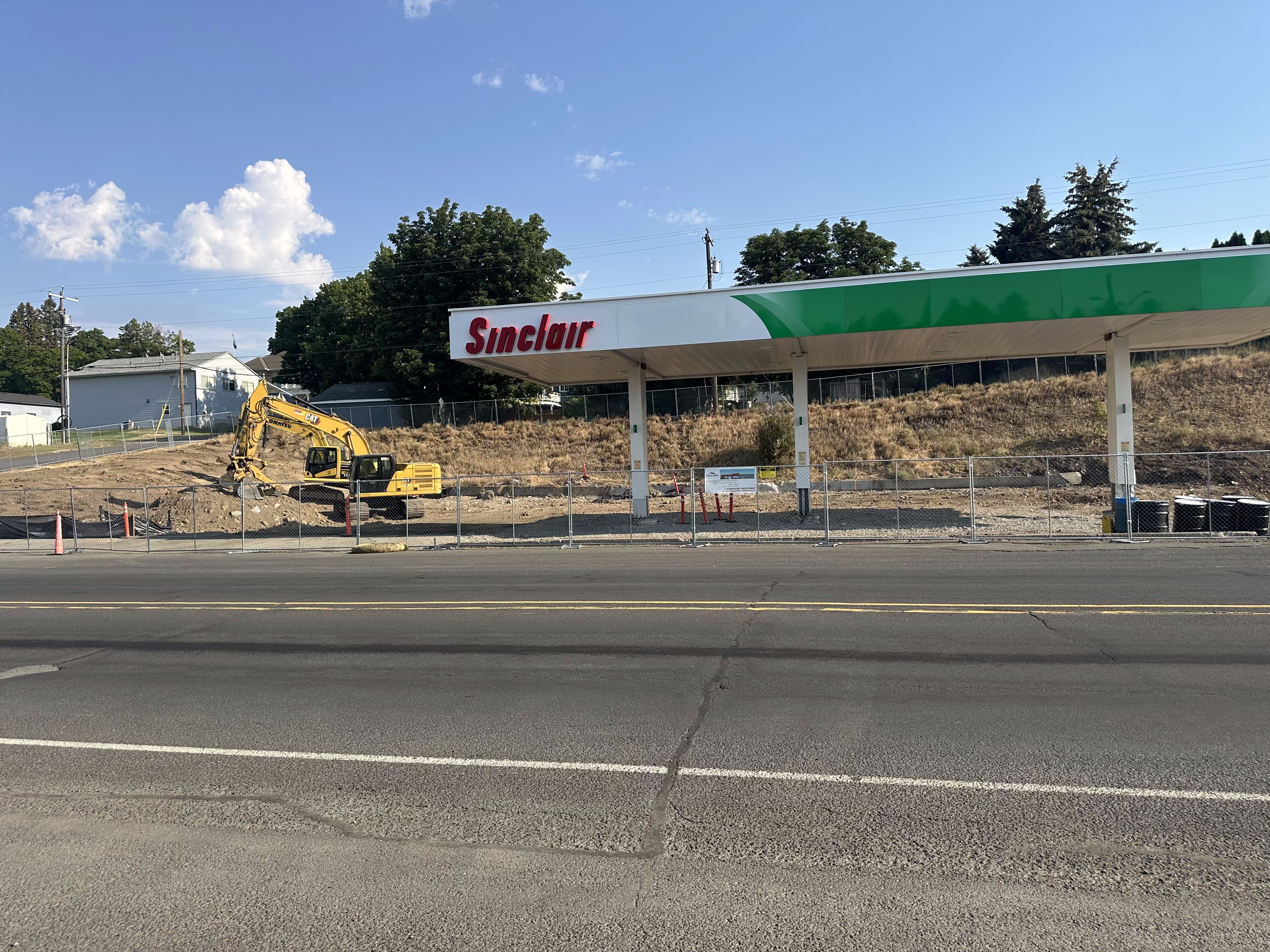
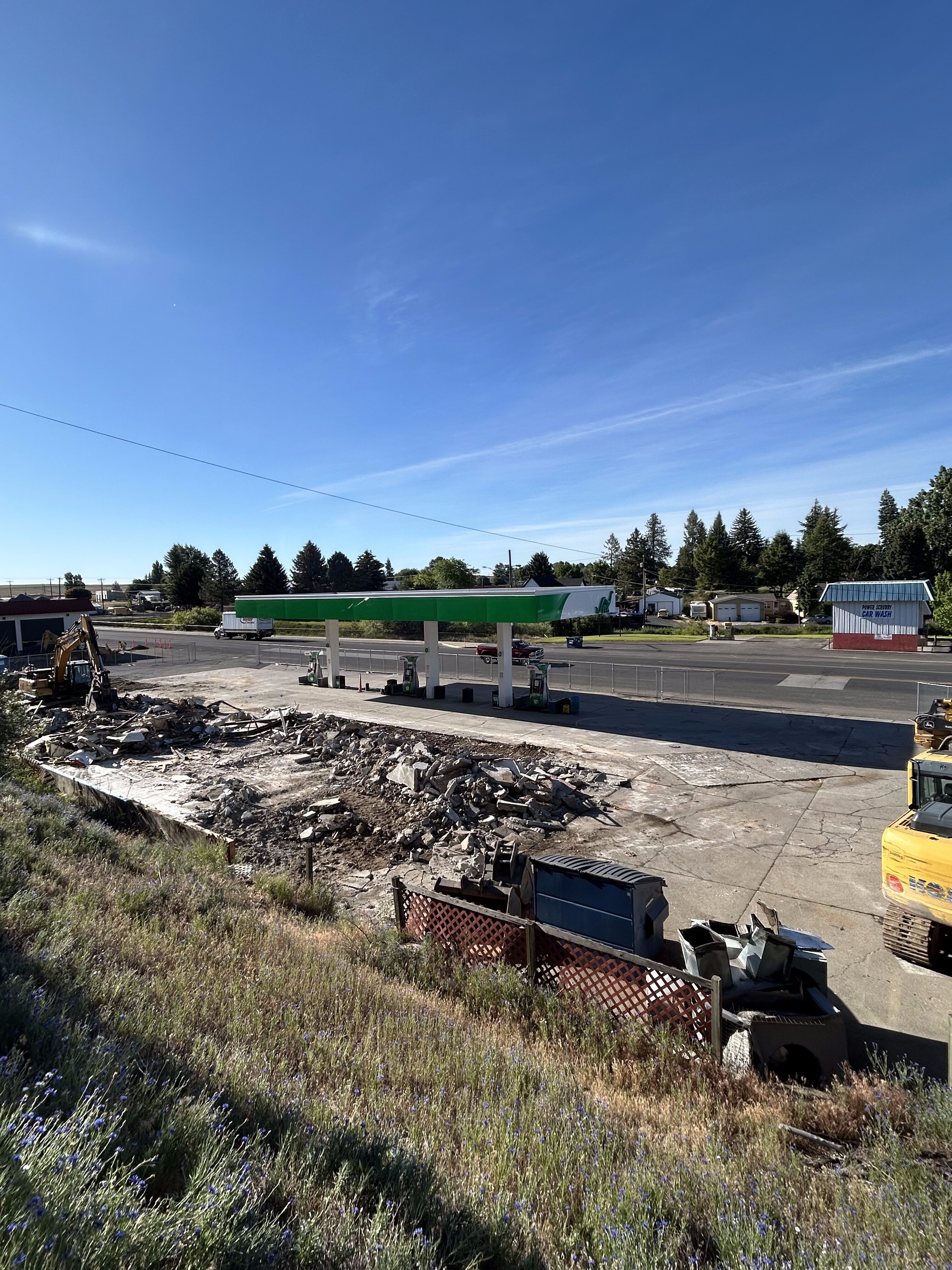
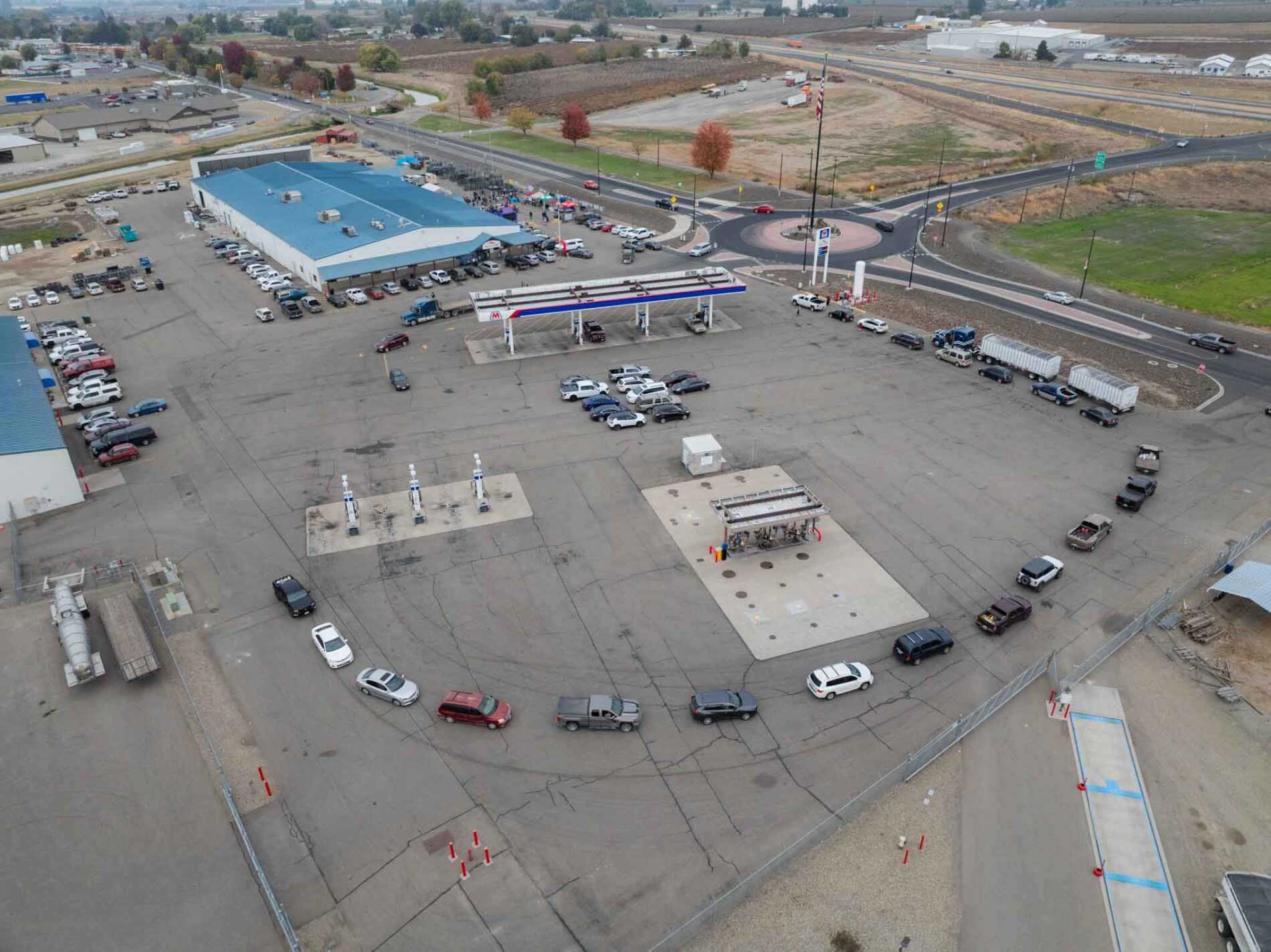
The Davenport project is moving forward with demolition fully complete, removal of the old underground fuel tanks finished, and foundation excavation now underway. A new four-compartment fuel tank is scheduled for delivery and installation on July 21. The completed project will modernize the store’s appearance, improve traffic and service flow, and provide the local community with a cleaner, more convenient destination for fuel and everyday essentials.
DAVENPORT, WASHINGTON
The Davenport project is moving forward with demolition fully complete, removal of the old underground fuel tanks finished, and foundation excavation now underway. A new four-compartment fuel tank is scheduled for delivery and installation on July 21. The completed project will modernize the store’s appearance, improve traffic and service flow, and provide the local community with a cleaner, more convenient destination for fuel and everyday essentials.

GIVING BACK
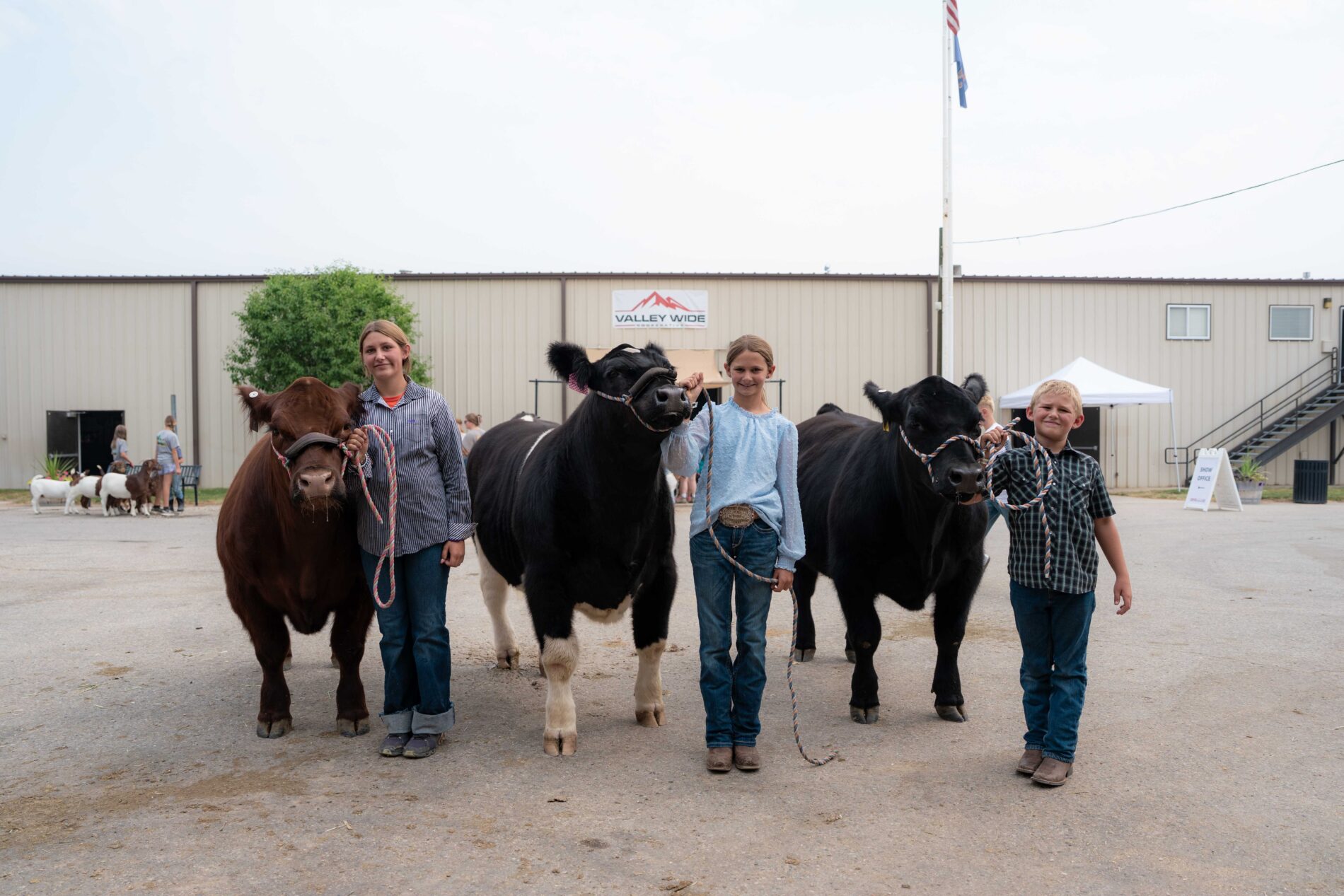
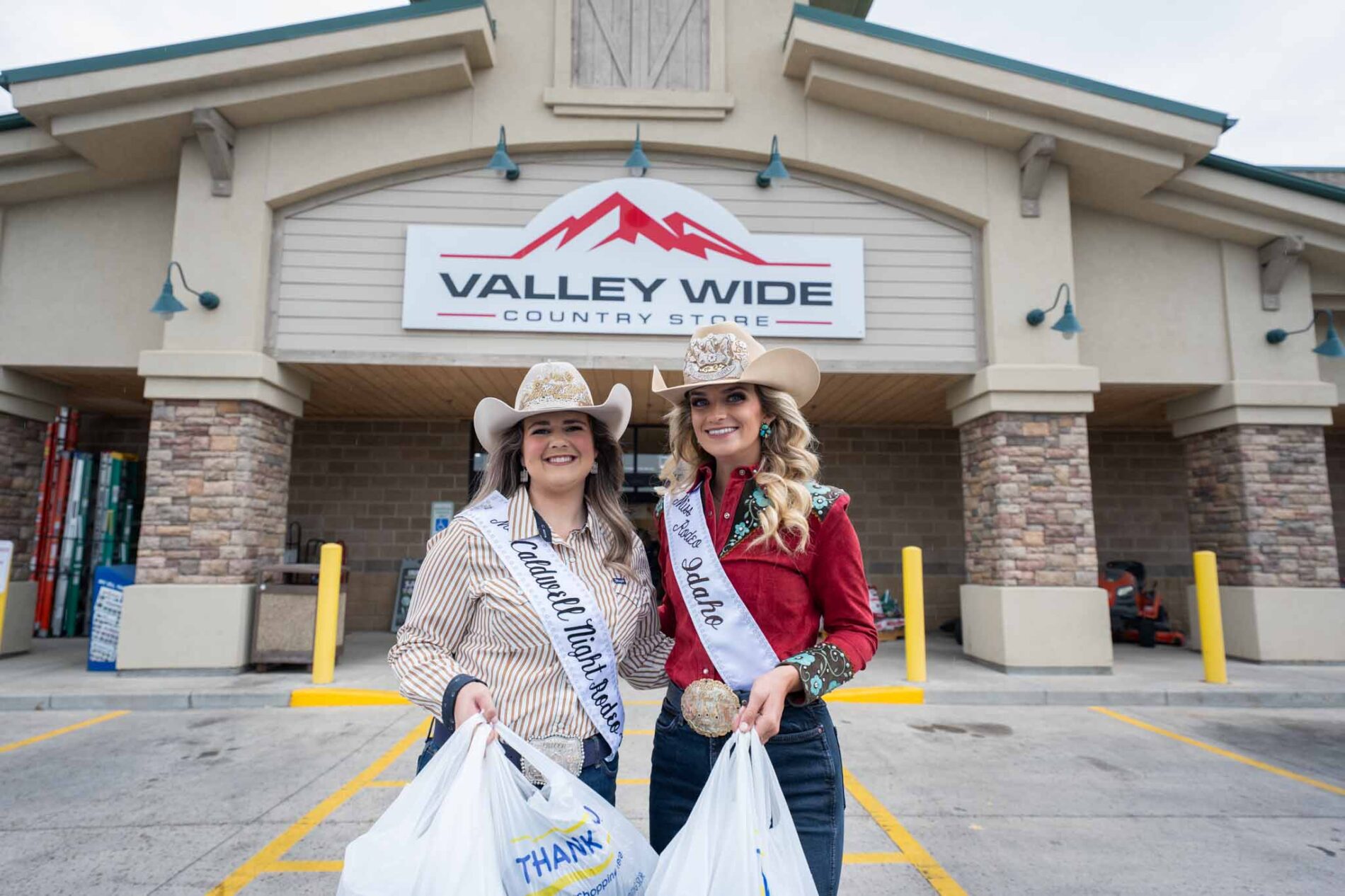
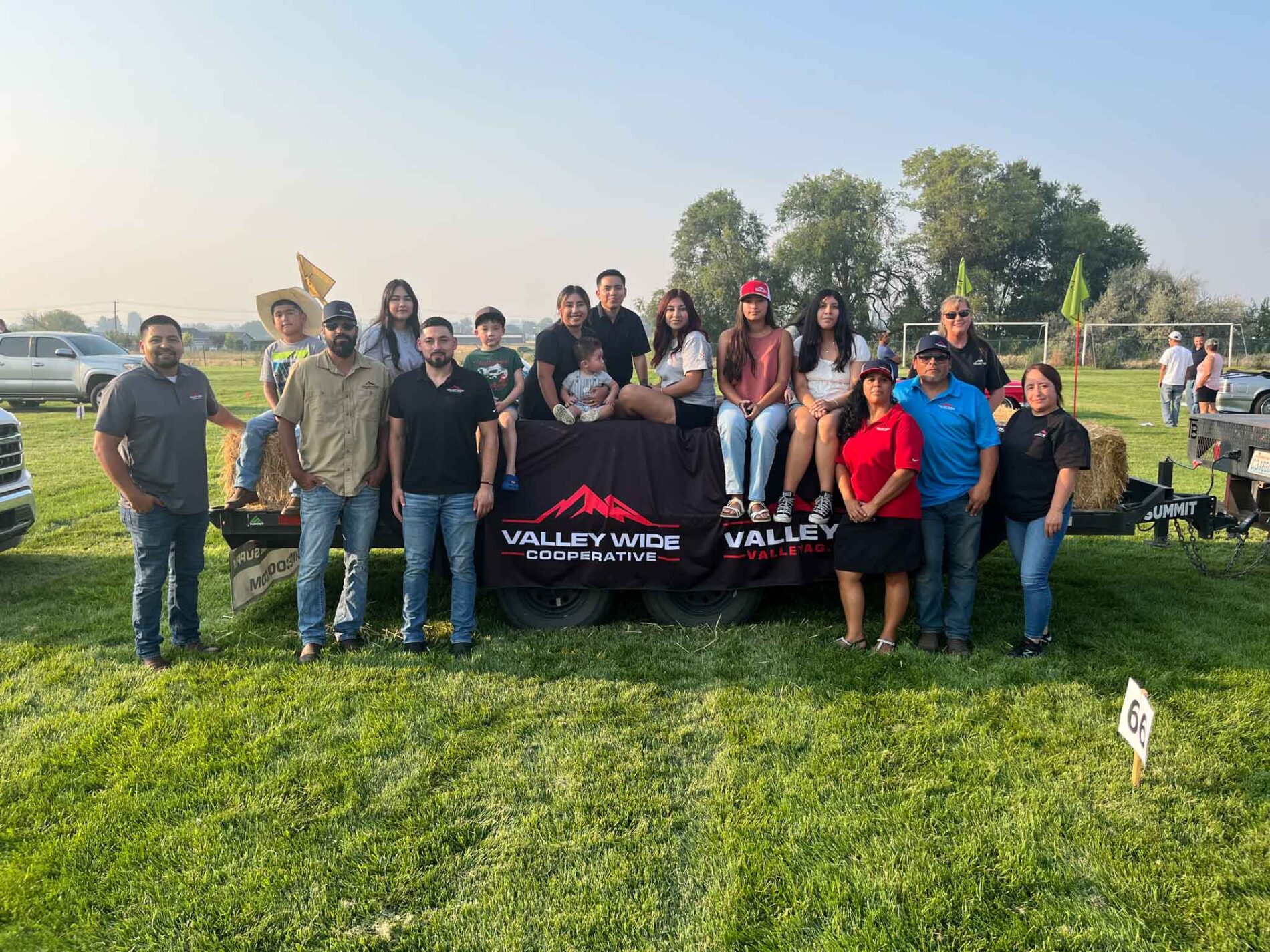
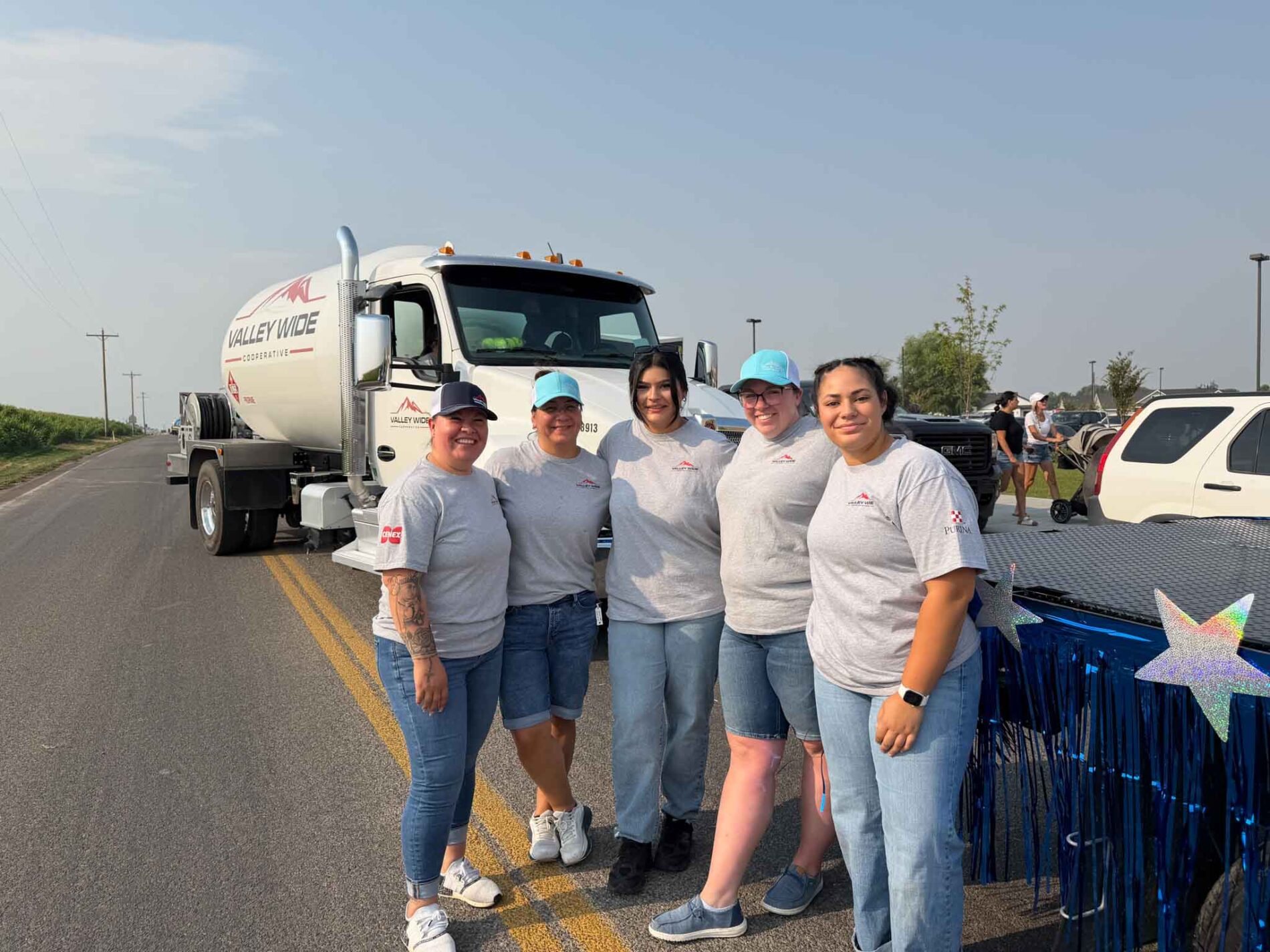
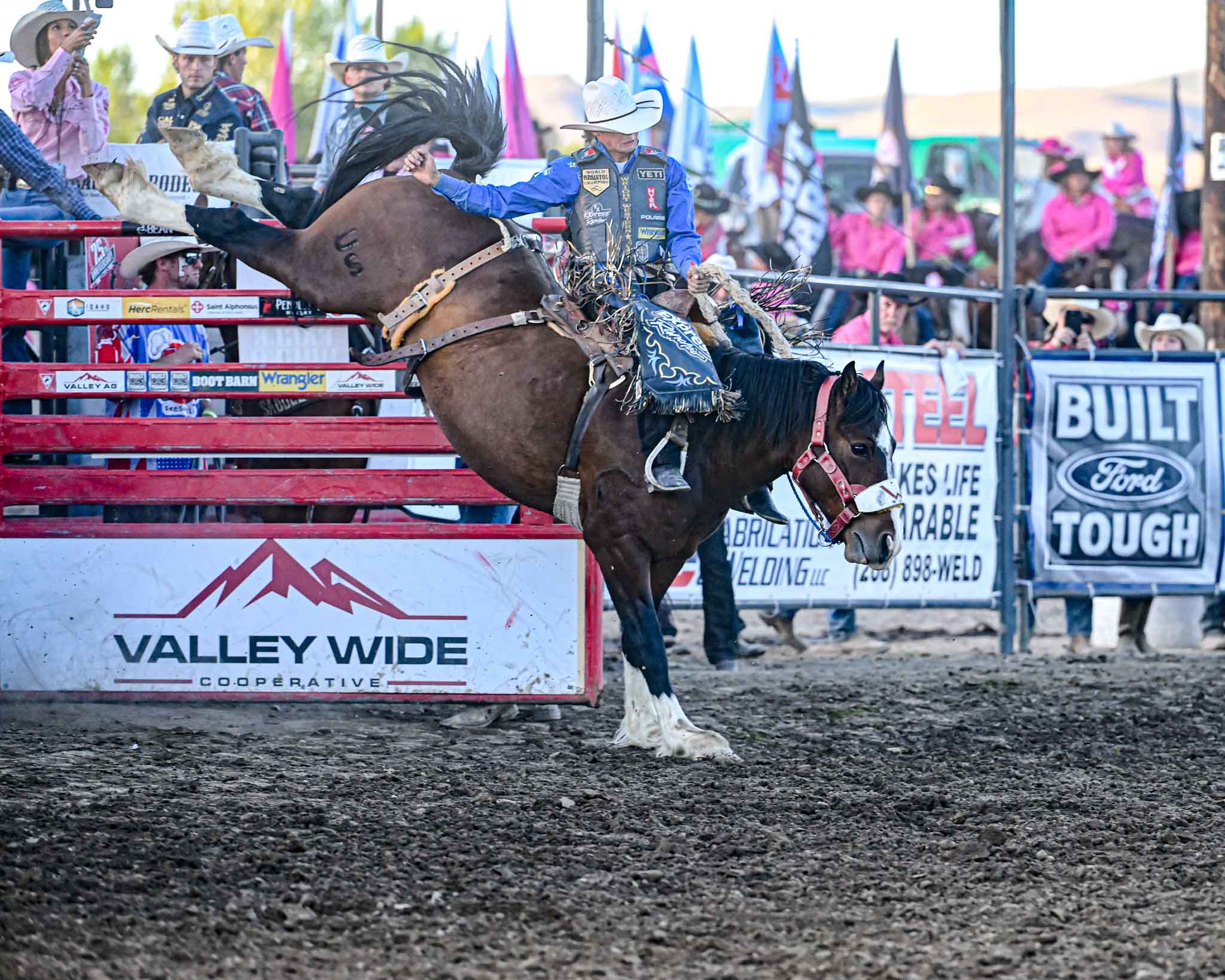
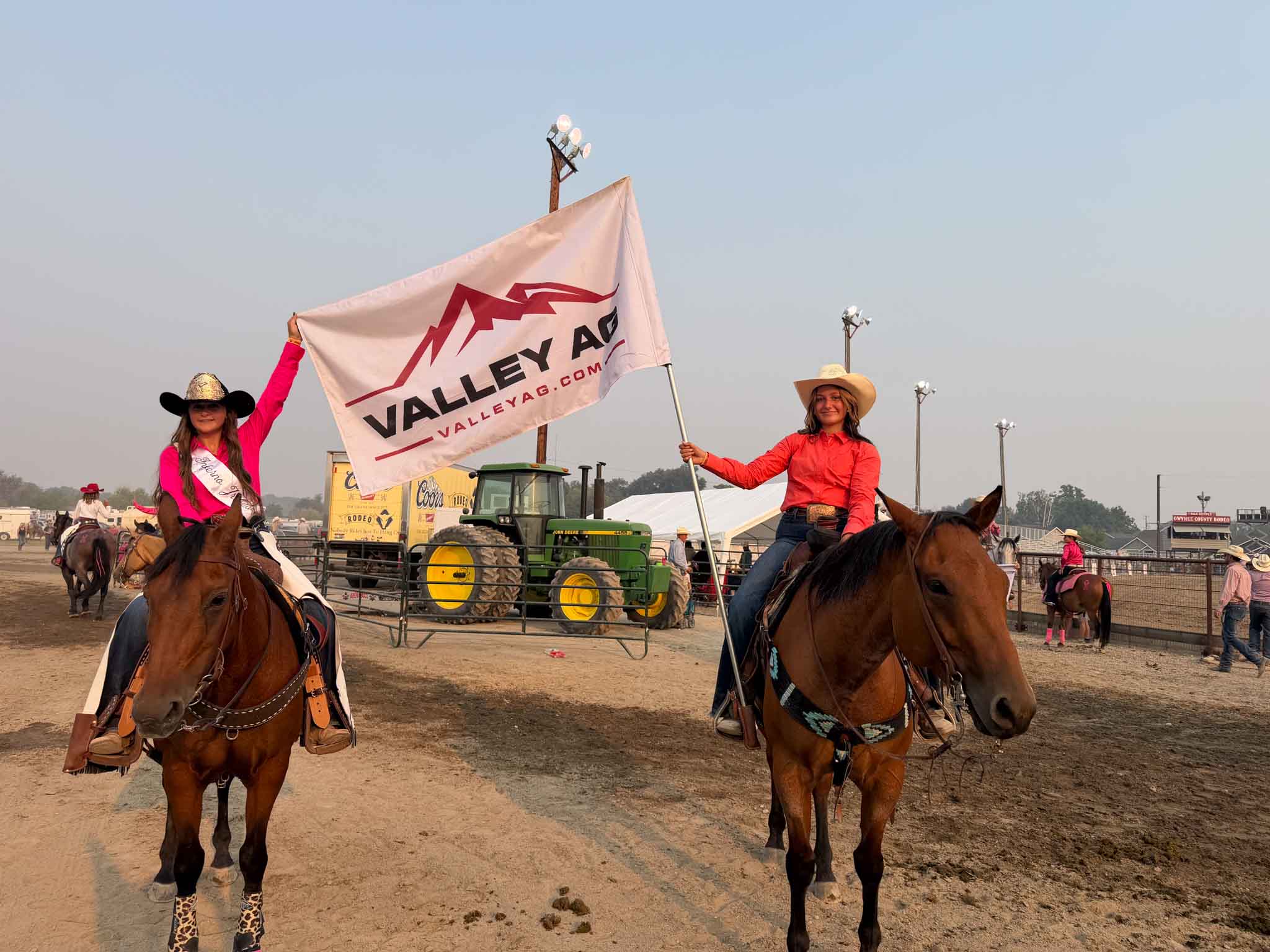
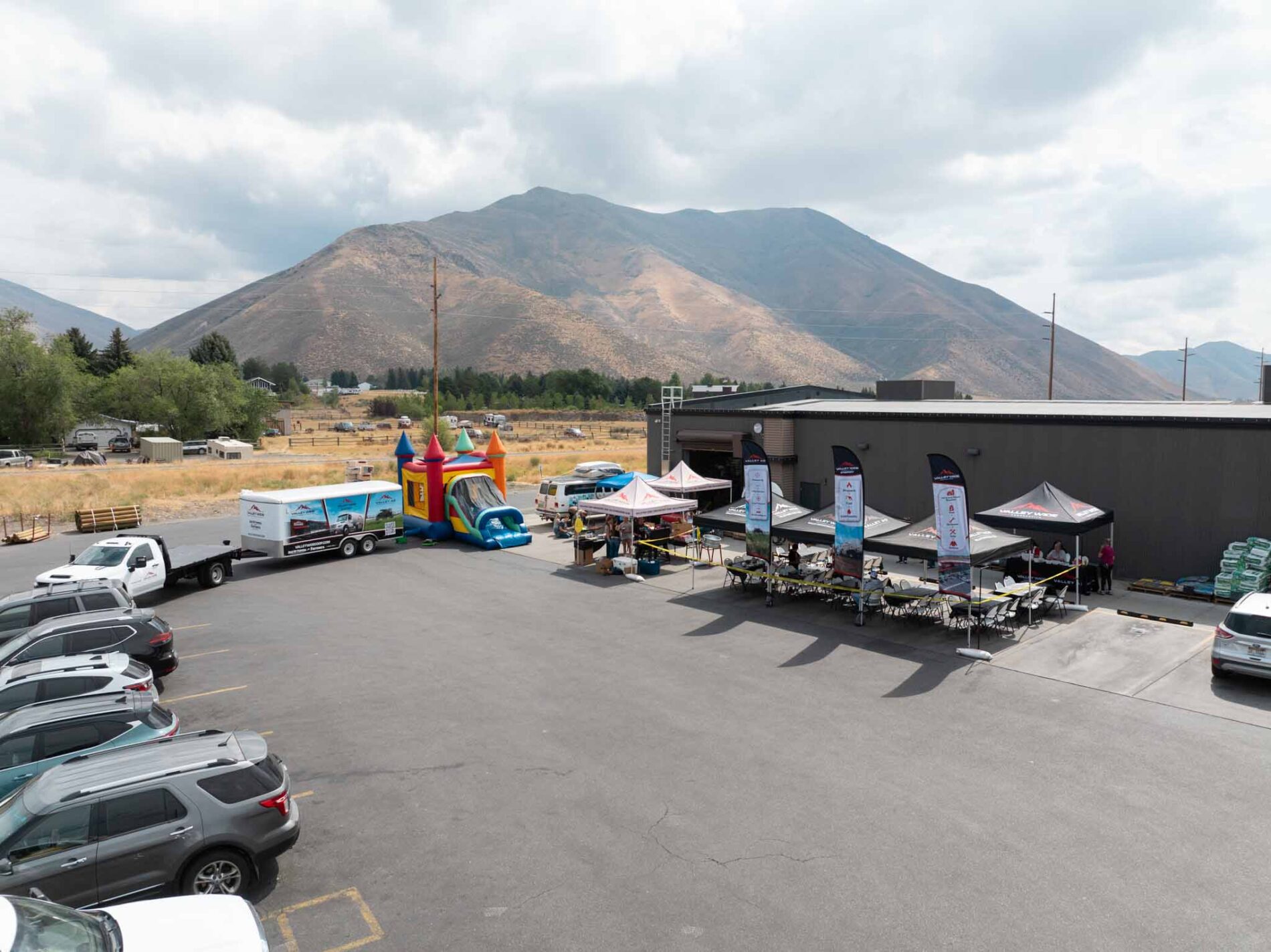
Valley Wide continues to invest in the future of agriculture by supporting youth and community programs across its footprint. From sponsoring state FFA conventions to awarding fifteen $2,000 scholarships each year, the cooperative is committed to helping the next generation succeed. That support also shows up locally through involvement in rodeos and county fairs, along with 4-H and FFA education days hosted at country stores. During FFA Week, Valley Wide stores also participate in a roundup campaign, giving customers a simple way to contribute and support agricultural education in their own communities.


An Investment in the Cooperative’s Future
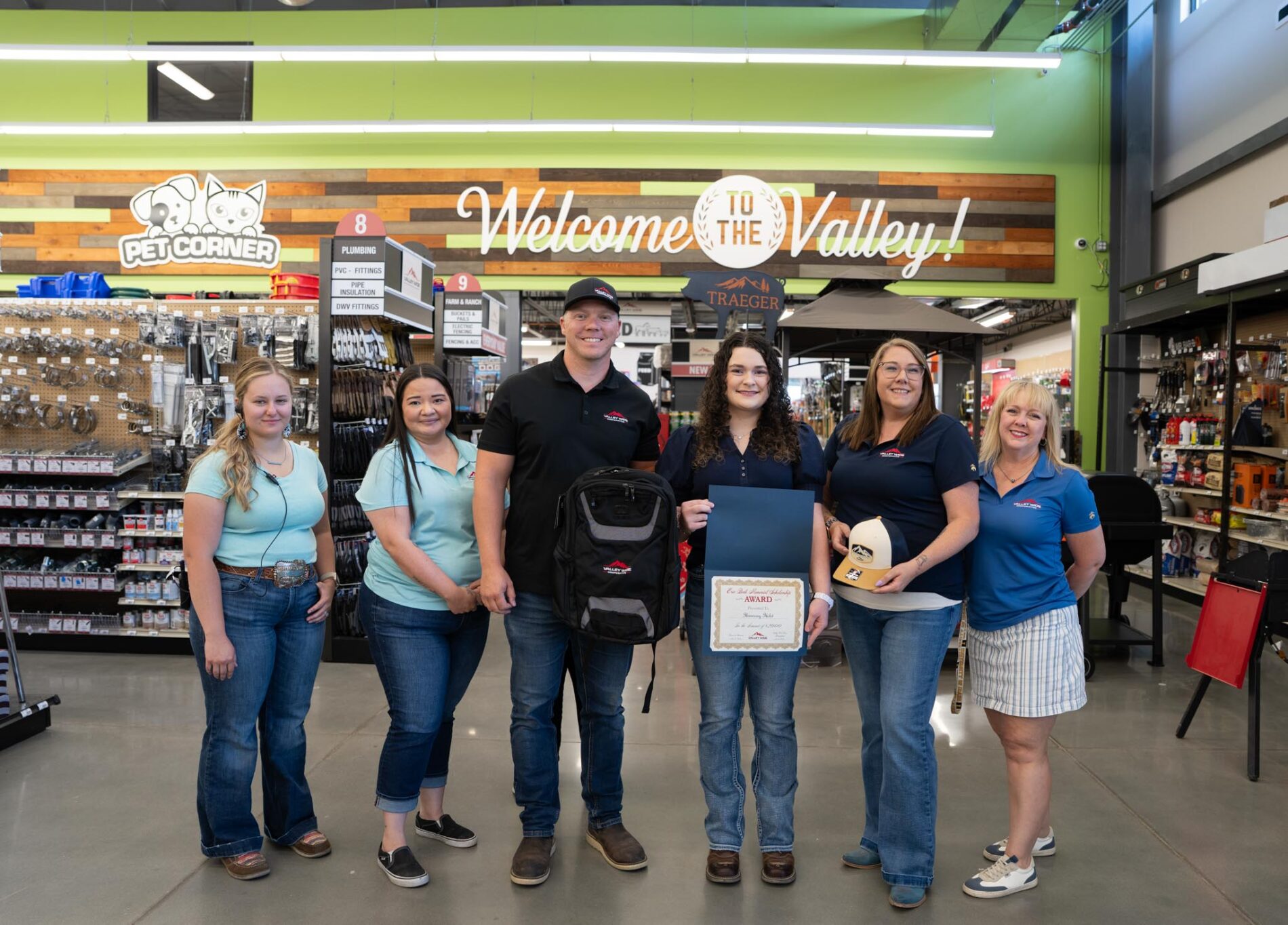
In 2018, our annual scholarship program was renamed the Eric Beck Memorial Scholarship in honor of Eric Beck (1955-2017). Eric was a dedicated board member of Menan Cooperative, one of Valley Wide’s predecessors, and played a pivotal role in the formation of Valley Wide Cooperative. As a farmer and rancher in Menan, Idaho, he was a lifelong advocate of the cooperative system, placing great importance on learning and teaching the skills he excelled in.
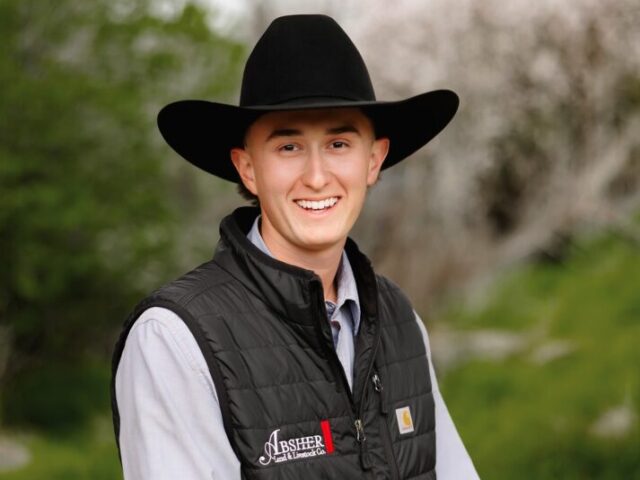
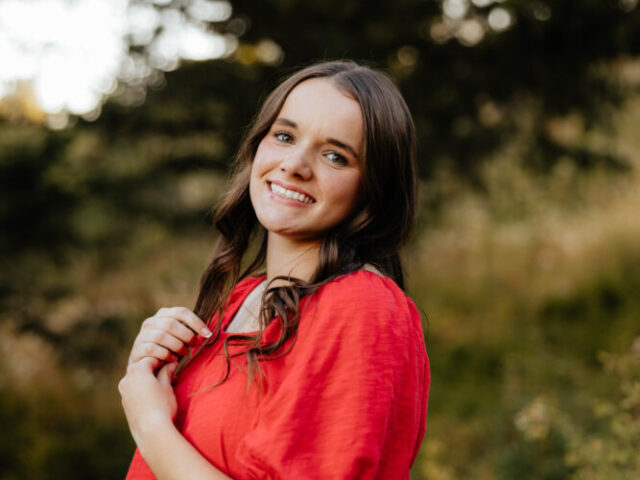
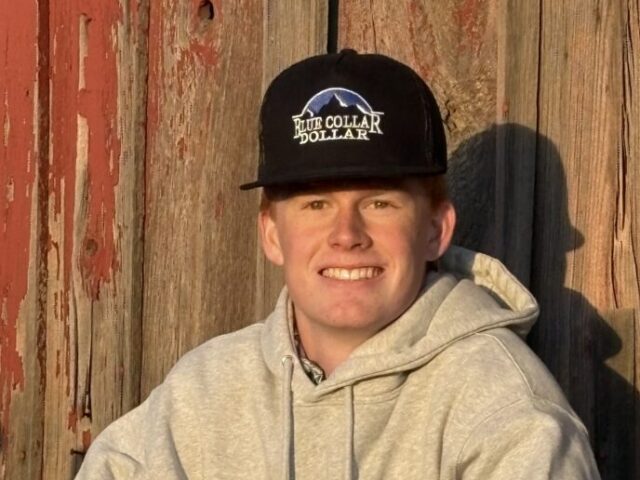
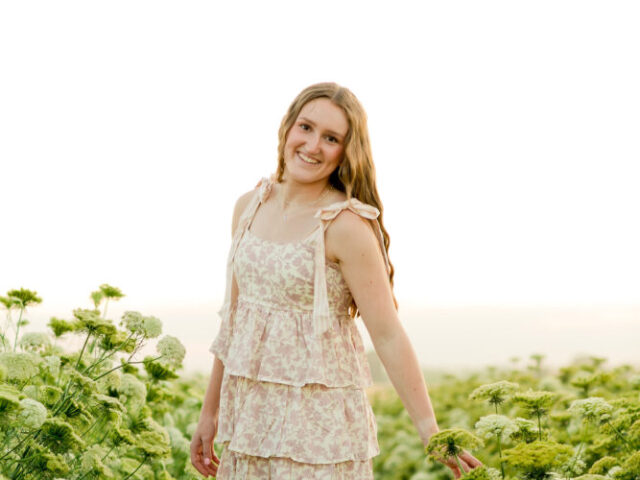
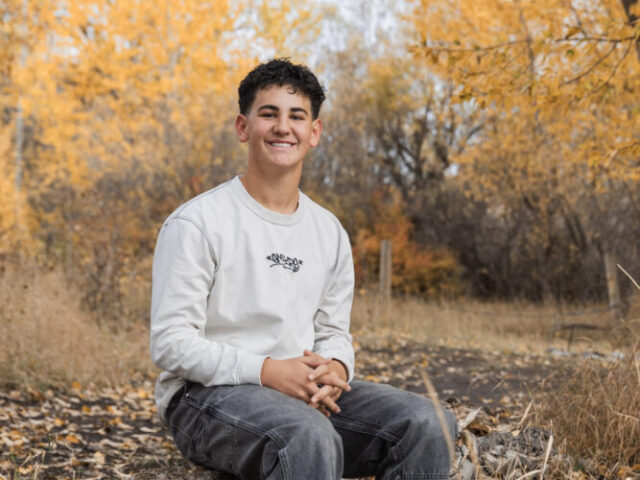
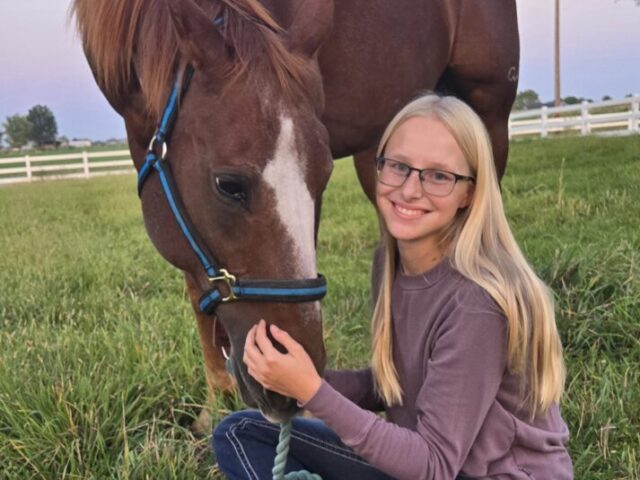
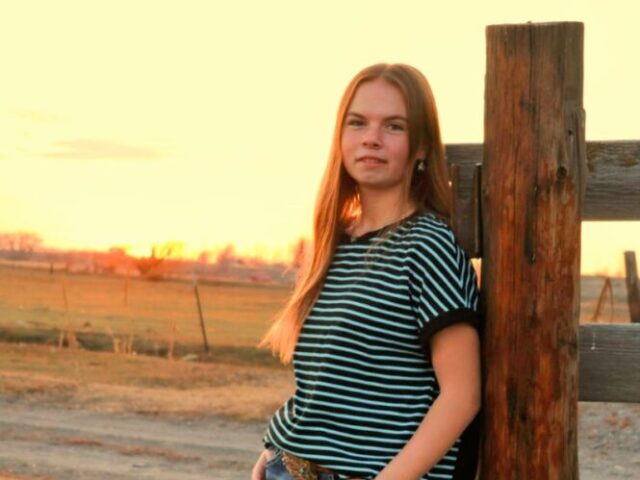
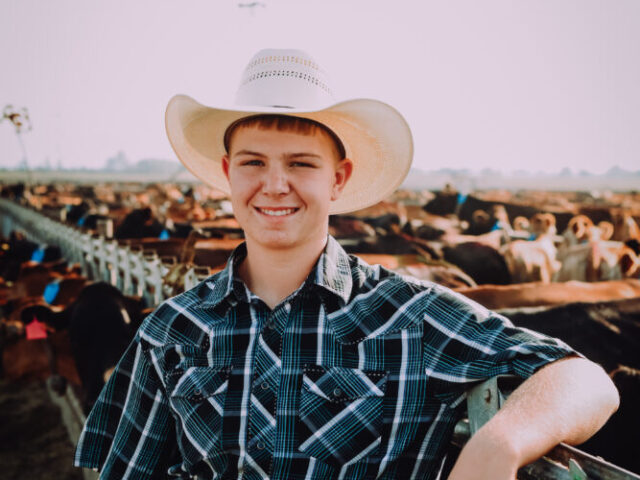
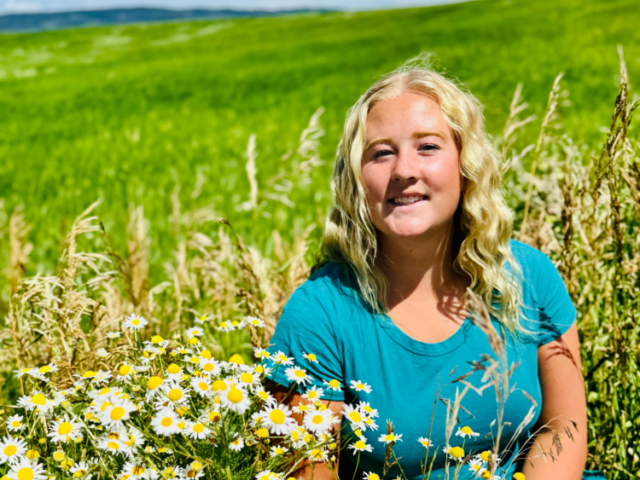
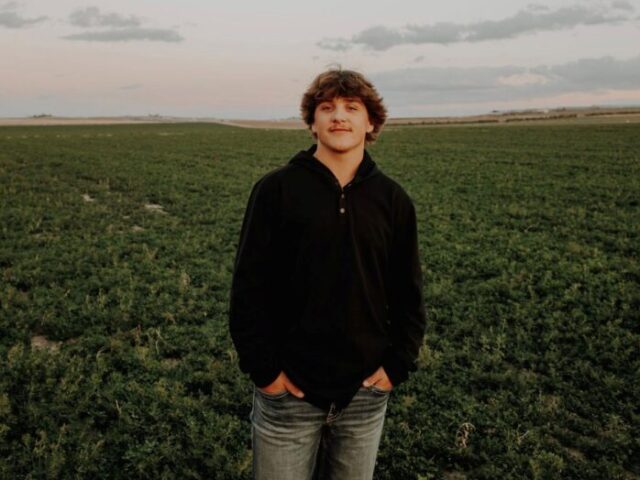
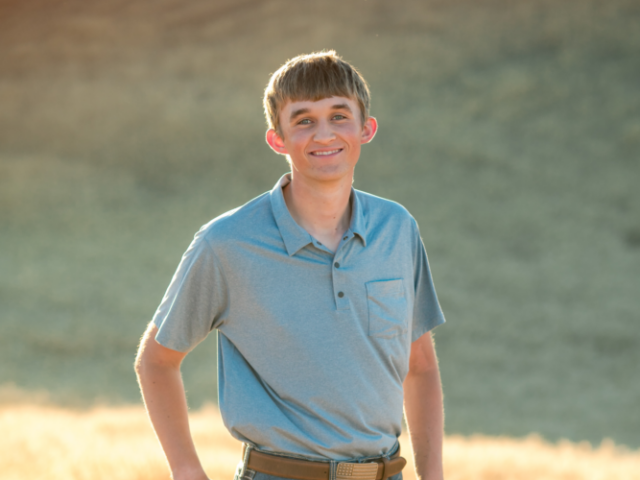
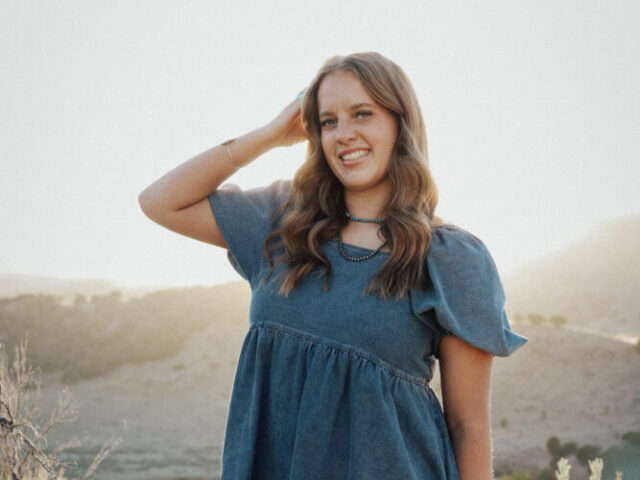
Valley Wide Cooperative is proud to announce the recipients of the 2026 Eric Beck Memorial Scholarship, awarding fifteen $2,000 scholarships to deserving students from the Northwest region.
This year, Valley Wide Cooperative’s Board of Directors selected students who met the following criteria: immediate relation to a co-op member or employee and pursuit of post-secondary education. Applicants were also required to write an essay addressing the most challenging issue their country faces relating to their hometown or way of life, and describing the most influential people in their life and how these individuals impacted them.
Our investment in these students underscores our commitment to supporting the future of the agricultural industry through education and leadership development.




A CONVERSATION WITH JOHN BARINDELLI
Welcome to our new Board Member Spotlight series, where we’ll introduce the members of Valley Wide Cooperative’s Board of Directors and share their perspectives on agriculture, cooperative leadership, and the issues impacting our member-owners. Through these conversations, members will have the opportunity to get to know the individuals representing them and learn more about the experiences that shape boardroom discussions and decisions.
For our first spotlight, we sat down with John Barendelli, District 4 Director from Modesto, California. A fourth-generation farmer, John grows almonds, walnuts, and pecans through Barendelli Farms and operates a commercial hulling business serving growers throughout the region. His role as both a producer and processor provides valuable insight into the challenges and opportunities facing agriculture today.
Watch the full interview with John Barendelli by scanning the QR code or visiting the link below.
Why did you decide to serve on the Board of Directors?
John’s decision to serve on the Board stems from his desire to give growers a voice and gain a deeper understanding of the cooperative’s decision-making process.
“I wanted to have a voice in the cooperative and how it is run,” he said. Serving on the Board provides an opportunity to work alongside cooperative leadership, better understand the challenges the organization faces, and help guide decisions that benefit member-owners.
What keeps you involved in cooperative leadership?
For John, the answer is simple: protecting the future of family farming.
From water challenges and increasing regulations to inflation and market uncertainty, today’s producers face significant pressures. John remains committed to helping ensure family farms have the opportunity to succeed for generations to come.
“Our family farms are challenged more than at any other time,” he said. “The opportunity to sustain the family farm is what keeps me involved.”
What do you see as the biggest challenges facing growers today?
According to John, growers are facing a combination of rising costs and increasing regulatory pressure.
While commodity markets have shown signs of recovery in recent years, inflation, supply costs, and government regulations continue to impact profitability and long-term planning. These challenges are felt across agriculture but can be especially difficult for family-owned operations.
What is the Board’s responsibility to members?
John believes the Board’s responsibility begins with stewardship of the cooperative and accountability to its member-owners.
Board members are tasked with ensuring the cooperative remains financially strong while maintaining its commitment to those it serves.
“We are a farmer-owned cooperative,” John said. “At the end of the day, we are here for the farmer.”
Every decision made by the Board is guided by the goal of supporting members today while positioning the cooperative for future success.
How does your California perspective benefit the cooperative?
As a grower in California, John often sees industry changes and regulations arrive in his region before they expand elsewhere.
This gives Valley Wide an opportunity to anticipate trends and prepare members in other districts for challenges that may be on the horizon.
“We have visibility to some of the regulations that are going to be coming to our other districts soon,” John said. “It always seems to roll out in California first.”
What do you wish members and customers understood about Valley Wide Cooperative?
John believes one of the cooperative’s greatest strengths is its commitment to member value and market stability.
Unlike companies accountable to outside investors, Valley Wide’s focus remains on serving its member-owners. While business decisions must support the long-term health of the cooperative, those decisions are made with growers’ interests in mind.
“We’re looking out for the growers and trying to run this cooperative with integrity and do what’s right every step of the way,” he said.
Where do you see the cooperative in five years?
Despite current economic challenges, John is optimistic about Valley Wide’s future.
He believes the cooperative’s scale and member-focused approach will continue to create opportunities for growth, purchasing power, and competitive pricing. By leveraging its position in the marketplace, Valley Wide can help members navigate uncertainty while continuing to build for the future.
Is there anything you’d like to share with members?
For John, the cooperative’s mission comes back to one simple principle: putting the grower first.
“The member is our priority,” he said. “The cooperative is owned by members and serves its members.”
He also expressed his gratitude for the trust members place in their elected directors.
“Thank you for putting your trust in me and the decisions we make in the boardroom,” John said. “We’re committed to serving our members with integrity and helping ensure a strong future for agriculture.”


I am text block. Click edit button to change this text. Lorem ipsum dolor sit amet, consectetur adipiscing elit. Ut elit tellus, luctus nec ullamcorper mattis, pulvinar dapibus leo.

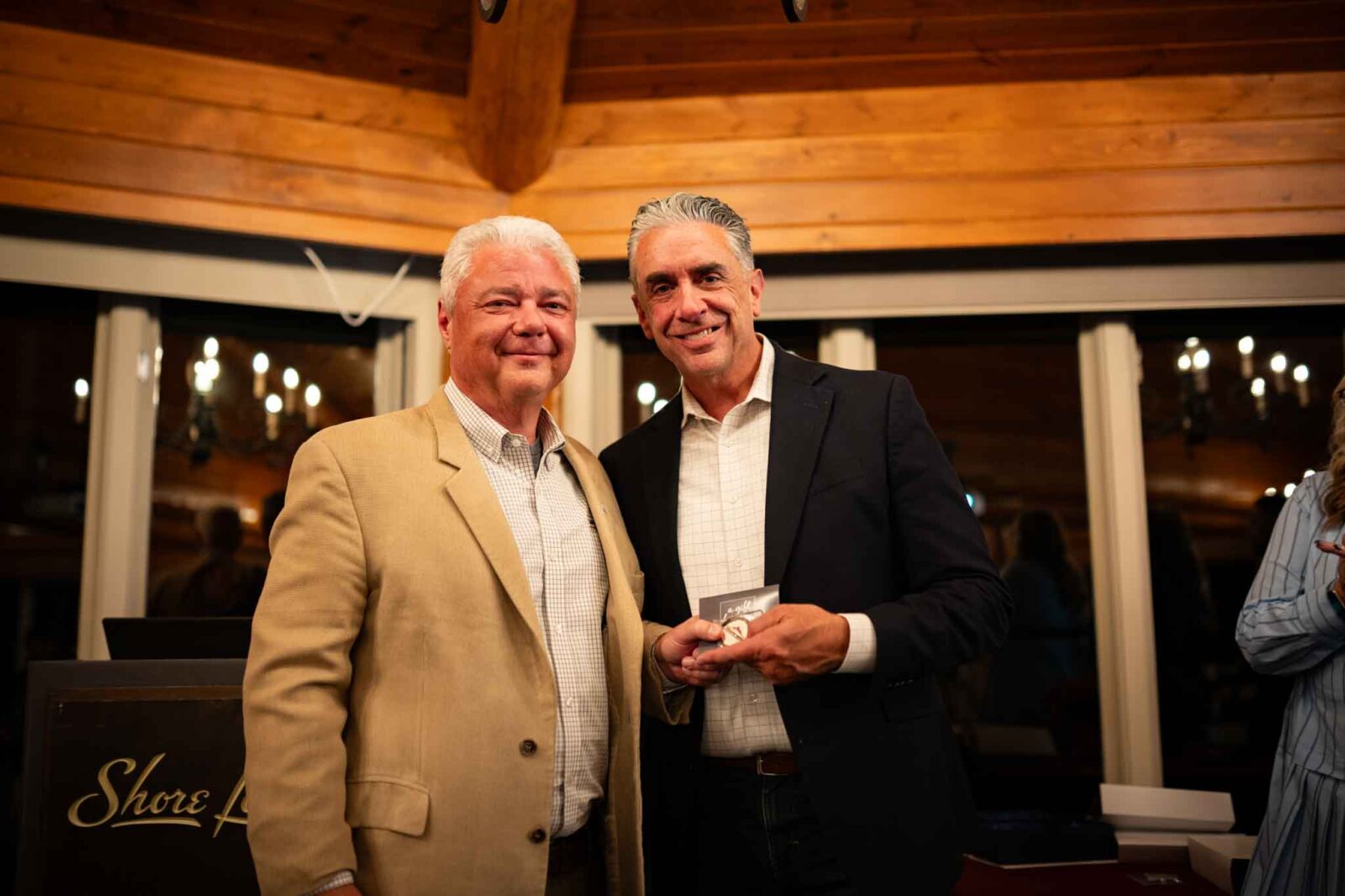
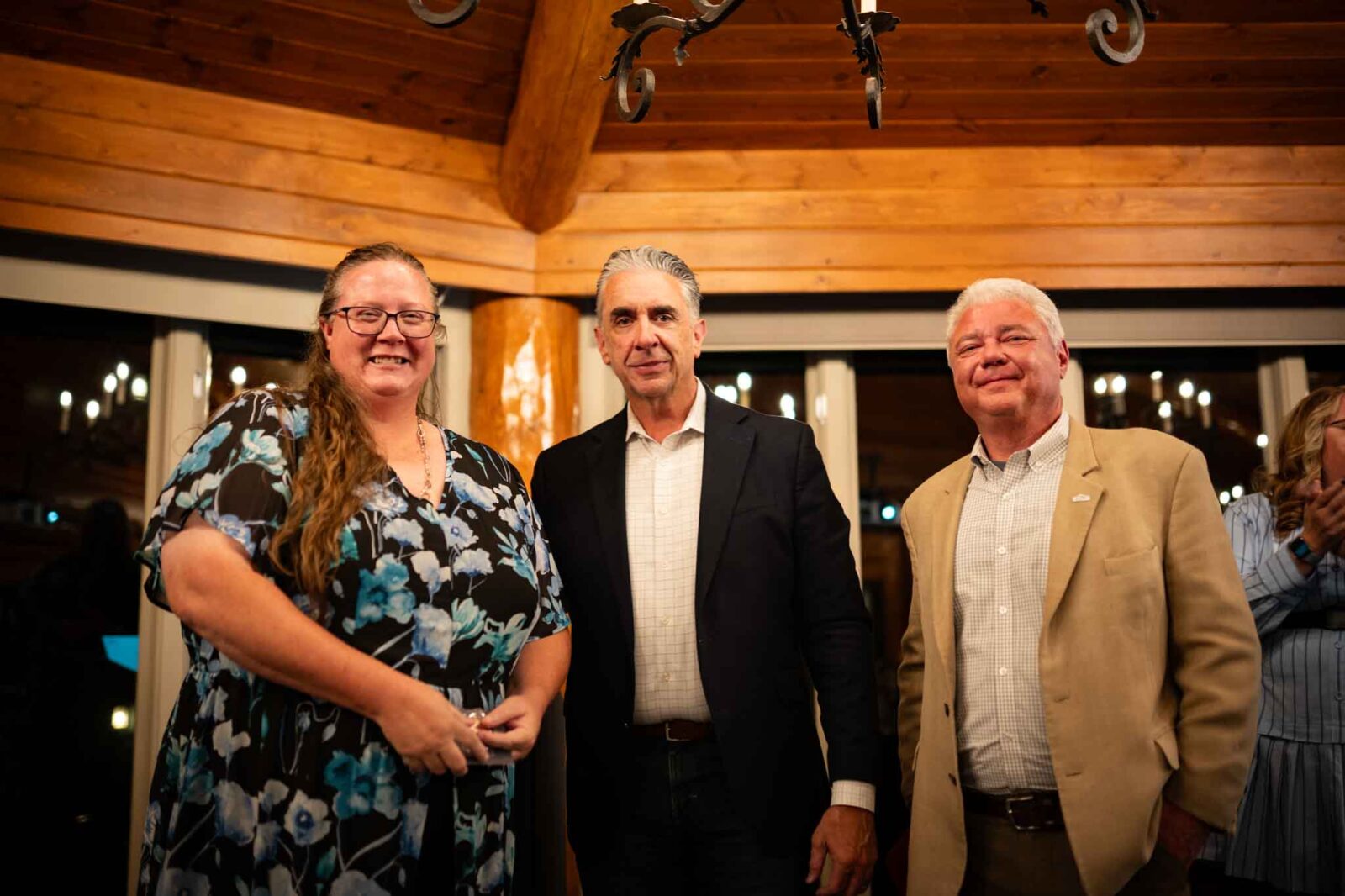
THE HOLTOM CHALLENGE COIN
The challenge coin tradition is rooted in military history and represents dedication, service, and commitment, values that Dave consistently championed throughout his leadership. Under his tenure, the Challenge Coin program became a meaningful way to recognize employees who demonstrate hard work, reliability, and a strong commitment to serving the cooperative and its members. Renaming the coins serves as a lasting tribute to Dave’s leadership, values, and the people who make Valley Wide strong.
Greg Wood - Vp of Retail
See More
Stephanie Giese - Retail Location Manager
See More

Gina Shotswell - Retail Operations Manager
See More

Eric Rasmussen - Energy Operations Manager
See More

Anthony Owens - Energy Operations Manager
See More

Tom Daniels - Energy Regional Manager
See More

Norman Hawkins - Energy Manager
See More

Erik Bird - Accounts Payable Specialist
See More